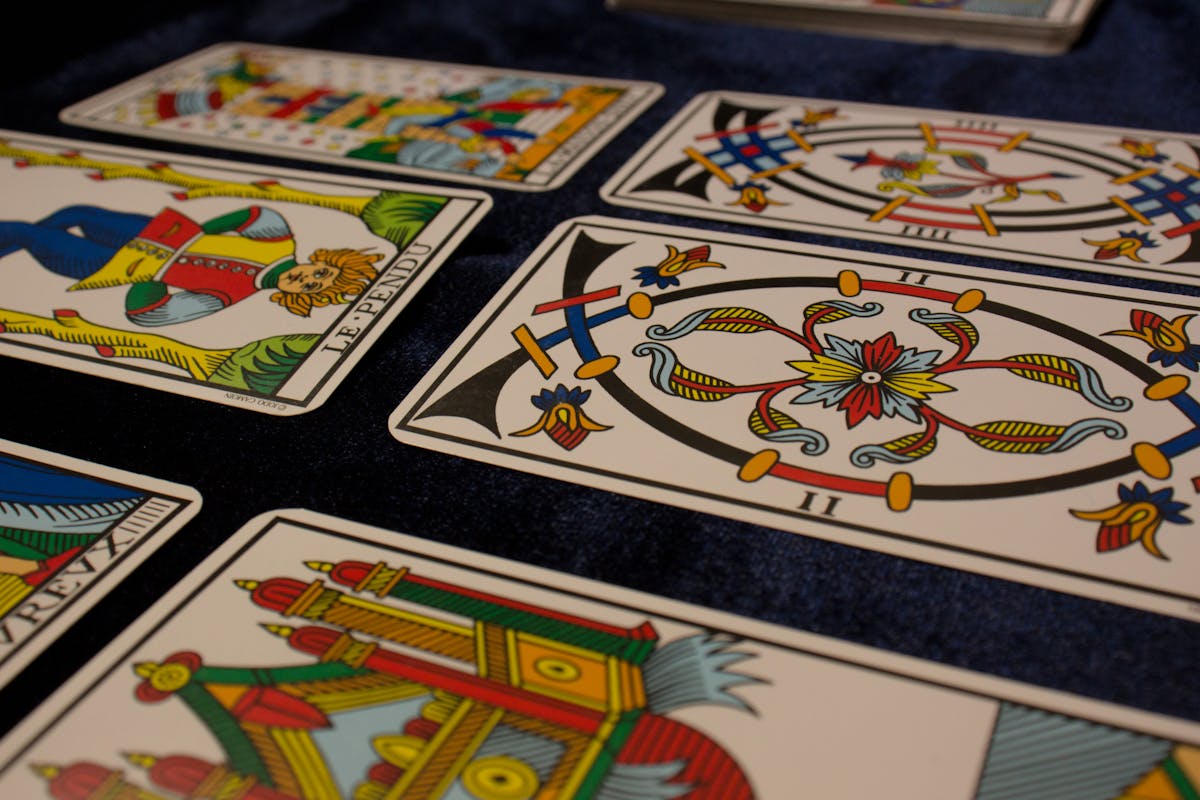
Introduction to Tarot: Getting Started with Card Reading
Tarot is a system of 78 cards used for divination, self-reflection, and psychological insight. It's older than most people realize (the earliest surviving decks date to the 15th century), and more practical than most people expect. You don't need psychic abilities to read tarot. You need attention, honesty, and willingness to engage with symbolic thinking.
The Structure of the Deck
A standard tarot deck has 78 cards divided into two sections:
The Major Arcana consists of 22 cards, numbered 0 (The Fool) through 21 (The World). These represent major life themes, archetypes, and transformative experiences. When a Major Arcana card appears in a reading, it signals something significant, a force that's bigger than everyday concerns.
The journey from The Fool to The World is sometimes called "The Fool's Journey," a narrative arc that moves through innocence, challenge, death, and renewal. It's the story of the human experience told in 22 images.
The Minor Arcana consists of 56 cards divided into four suits:
Each suit runs from Ace through 10, plus four court cards: Page, Knight, Queen, and King. The numbered cards represent situations and experiences; the court cards represent personalities, aspects of yourself, or people in your life.
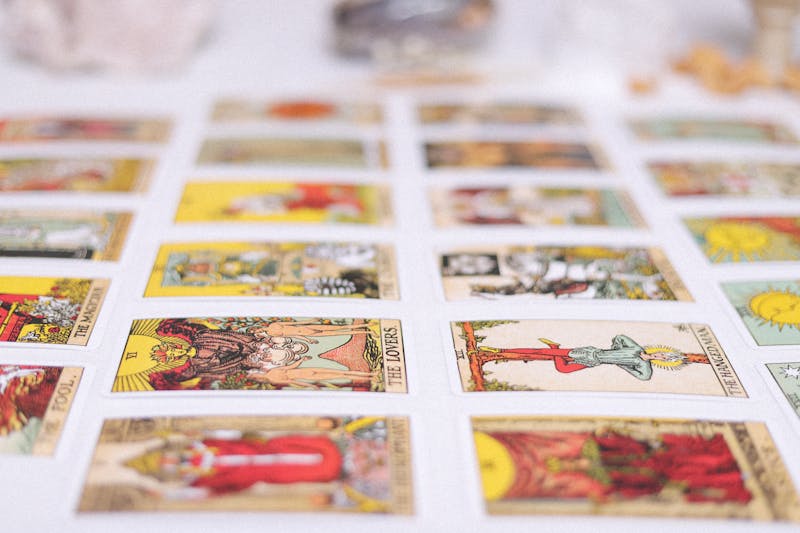
Tarot cards spread for a reading session
How Readings Work
A tarot reading involves shuffling the deck while focusing on a question or intention, then drawing cards and placing them in a specific pattern called a spread. Each position in the spread has a meaning (past, present, future; situation, obstacle, outcome; etc.), and the card that falls in each position is interpreted in context.
The three most common spreads are:
Single Card: One card drawn for a quick insight. Good for daily practice and simple questions.
Three-Card Spread: Past, Present, Future (or Situation, Action, Outcome). The workhorse of tarot reading, versatile and illuminating.
Celtic Cross: A 10-card spread that provides a comprehensive picture of a situation, including unconscious influences, hopes, fears, and probable outcomes. More complex but extraordinarily detailed.
Reading the Cards
Each card has an upright meaning and a reversed meaning (when the card appears upside-down). Reversals don't necessarily mean the opposite of the upright meaning; they often suggest the energy is blocked, internalized, or expressing itself in a shadow form.
The key to reading tarot well is context. The Tower (a card of sudden destruction) means something very different in the "hopes and fears" position than in the "outcome" position. The Ten of Cups (emotional fulfillment) means something different when surrounded by Swords (conflict) than when surrounded by other Cups.
Trust your first reaction to the image. Tarot works through pattern recognition and symbolic association, capacities your brain already has. The cards don't predict the future; they illuminate the present moment with unusual clarity.
Starting Your Practice
Begin with daily single-card draws. Each morning, shuffle and draw one card. Read the description, note your initial reaction, and watch how the card's energy shows up during your day. This builds familiarity with the cards and trains your intuitive response.
Don't try to memorize all 78 cards before doing readings. Learn as you go. The cards will teach you their meanings through repeated encounter.
Keep a tarot journal. Write down your question, the cards you drew, your interpretation, and later, what actually happened. Over time, this record becomes invaluable for understanding how the cards speak to you personally.
Most importantly, approach tarot with genuine curiosity rather than desperation for answers. The best readings come from a state of open inquiry, not anxious need. The cards are a mirror, and the clearer you are, the clearer the reflection.