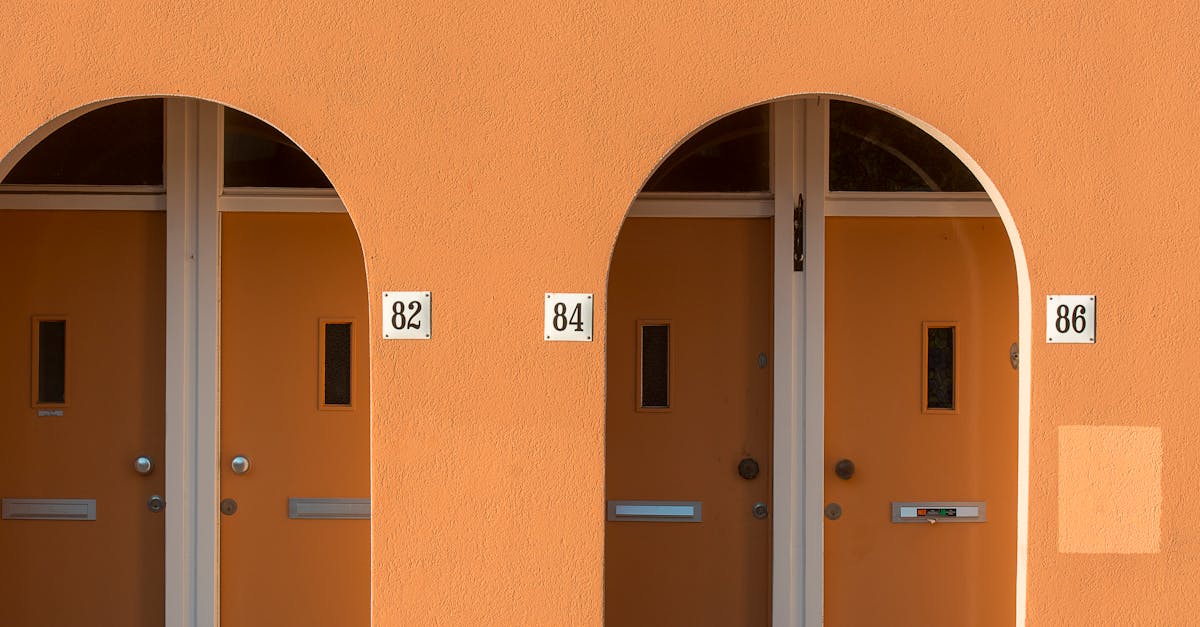
House Number Numerology: What Your Address Really Means
Your house number isn't random. In numerology, the number on your front door carries a vibration that colors the whole feeling of your home, from how easily you rest there to the kind of luck, conflict, or growth that seems to follow you under that roof. To find your house number in numerology, you add the digits of your address together and reduce them to a single digit. A house numbered 247, for example, becomes 2 plus 4 plus 7, which is 13, which reduces to 4. That 4 is the energy you live inside every day.
People notice this without knowing the name for it. One apartment feels like a fresh start the moment you walk in, and another feels heavy no matter how much you scrub the floors. Numerology says part of that is the number. This guide shows you how to calculate your house number, what each number from 1 to 9 means, how the master numbers 11, 22, and 33 change the picture, and what to do if your address has letters or an apartment unit. None of it locks your fate. It just tells you what energy you're working with so you can lean into it or balance it out.
What You'll Learn
How to Calculate Your House Number in Numerology
The method is simple. Take the number part of your address, add the individual digits together, and keep reducing until you land on a single digit from 1 to 9, or until you hit a master number of 11, 22, or 33, which numerologists usually keep intact.
Say you live at 38 Maple Street. You add 3 plus 8, which is 11. Because 11 is a master number, many readers stop there and read it as both an 11 and a 2, since 1 plus 1 is 2. Live at 1024 instead and you add 1 plus 0 plus 2 plus 4, which is 7. Live at 562 and you get 5 plus 6 plus 2, which is 13, then 1 plus 3, which is 4.
You only use the house or building number, not the street name, the city, or the zip code. The number on the door is what defines the space you actually live in. If you're in an apartment or unit, the unit number is usually the more personal vibration, since that's your front door, and we'll cover how to handle that below. The same reduce-to-one-digit approach drives the rest of numerology too, including your life path number, which is the single most important number in your chart.
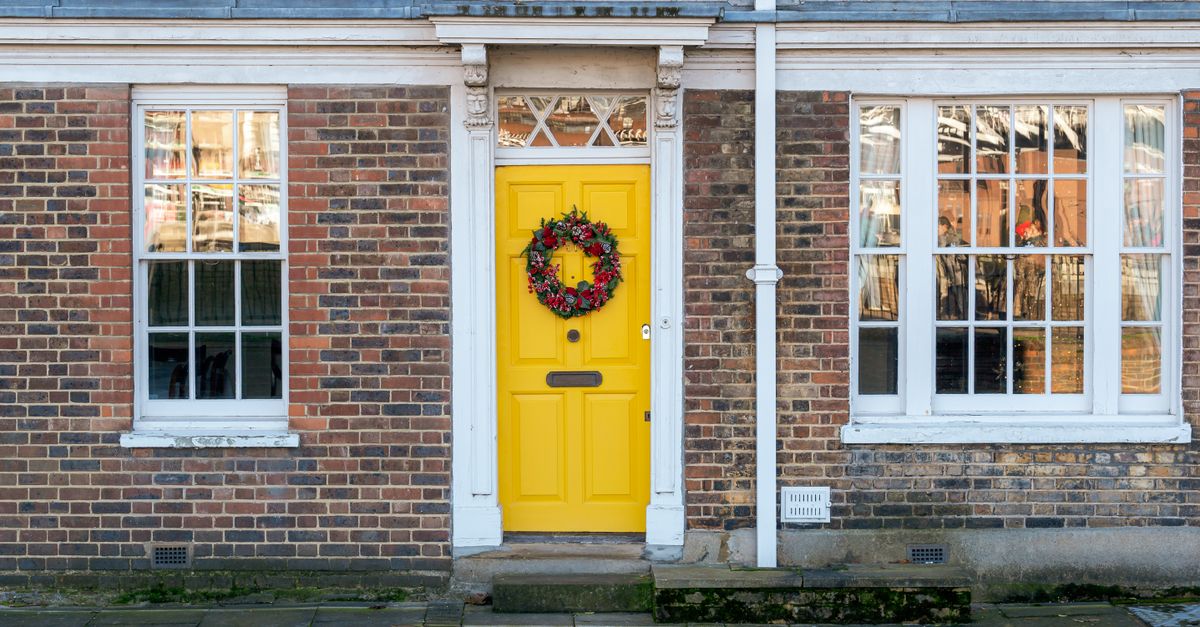
A hand mounting brass numerals on a front door, illustrating how to find your house number in numerology
Why Your House Number Matters
In numerology, every number is a frequency, a particular flavor of energy that pulls certain experiences toward it. Your home is the container you spend the most time in, so its number sets a background tone for everything that happens there: your sleep, your relationships, your money, your creativity, and your sense of safety. A 1 home pushes you toward independence and fresh starts. A 6 home wraps you in family and responsibility. A 5 home rarely sits still.
This doesn't mean a number is good or bad. It means a number fits some people and some seasons of life better than others. A party-loving 5 house is a dream for a social twenty-something and a nightmare for someone craving quiet to write a book. A nurturing 6 house is perfect for raising kids and can feel suffocating to someone who wants total freedom. The point of reading your house number is awareness. Once you know the energy, you can decorate, set boundaries, and use the space in a way that works with it instead of against it. It pairs naturally with your personal year number, which tells you what kind of year you're moving through inside that home.
What Each House Number Means, 1 Through 9
Here's the heart of it. Find your reduced number below and read the energy it brings to your home.
House Number 1
A 1 home is about independence, ambition, and new beginnings. It's a strong fit for people striking out on their own, starting a business, or building a new identity, and it tends to attract self-starters and leaders. The shadow is loneliness and ego, since 1 energy can feel isolating and encourage people to put work and self above connection. Great for a first solo place, harder for a couple who needs togetherness.
House Number 2
A 2 home is gentle, harmonious, and built for partnership. It supports close relationships, sensitivity, and peace, which makes it lovely for couples and quiet souls. The downside is that 2 energy can be emotionally charged and easily thrown off balance, so small tensions feel bigger here. It rewards people who value calm and cooperation over drama and competition.
House Number 3
A 3 home is social, creative, and full of life. Conversation flows, friends gather, and self-expression comes easily, so it's a joy for artists, hosts, and anyone who wants a vibrant home. The catch is that 3 energy scatters. Focus, discipline, and money management can slip here, and the fun can tip into chaos if no one keeps things grounded.
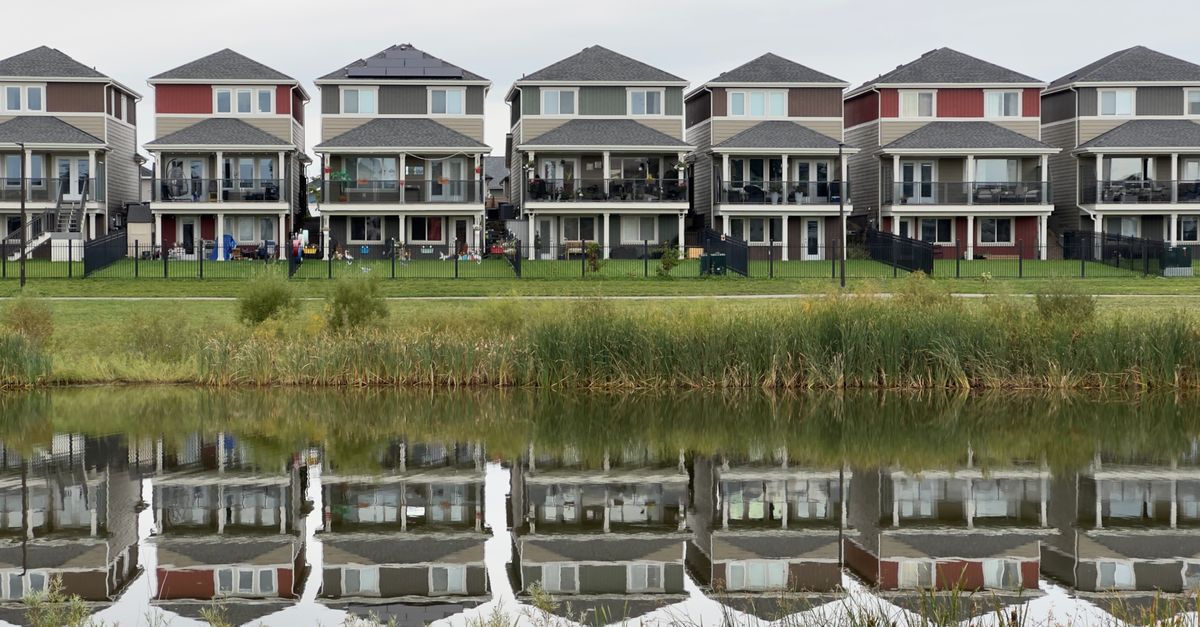
A row of colorful neighborhood houses, each carrying its own numerological vibration
House Number 4
A 4 home is stable, grounded, and practical, the energy of foundations and hard work. It's excellent for building security, routines, and long-term plans, and it tends to feel solid and dependable. The shadow is rigidity and a relentless to-do-list feeling, since 4 can make a home feel more like a project than a sanctuary. Best for people who want structure and are willing to put in the work.
House Number 5
A 5 home is restless, adventurous, and always changing. It buzzes with freedom, travel, socializing, and the unexpected, which makes it exciting and rarely boring. The flip side is instability. A 5 house can bring constant comings and goings, overindulgence, and trouble settling into routine. Perfect for the free-spirited, tough for anyone who needs a calm, predictable nest.
House Number 6
A 6 home is the classic family house: warm, nurturing, and centered on love, beauty, and responsibility. It supports raising children, caring for others, and creating a cozy, welcoming space, and it often just feels like home. The shadow is overgiving and taking on too much responsibility for everyone else, so the people here have to guard against burning out in service of the household.
House Number 7
A 7 home is quiet, introspective, and almost spiritual. It's ideal for study, healing, meditation, and any inner work, and it naturally pulls you toward solitude and depth. The downside is isolation. A 7 house can feel lonely or cut off, and it isn't the easiest place for a busy, social family. It suits seekers, writers, and anyone who treasures privacy and a retreat from the world.
House Number 8
An 8 home is the power-and-money number, tied to ambition, success, and material abundance. It can support career growth, wealth building, and big goals, which makes it a strong fit for the driven. The warning is that 8 energy is intense and demands balance. Without it, the focus on status and money can strain relationships and bring financial ups and downs along with the highs.
House Number 9
A 9 home is compassionate, open-hearted, and a little bit of a revolving door. It carries the energy of completion, tolerance, and service, so it tends to welcome all kinds of people and host a lot of comings and goings. The shadow is emotional intensity and a hard time holding boundaries, since 9 absorbs everything. Wonderful for humanitarians, healers, and big-hearted hosts.
What About Master Numbers 11, 22, and 33?
If your address reduces to 11, 22, or 33, you're living with a master number, and most numerologists keep it intact rather than reducing it further. These carry a higher, more demanding charge. An 11 home is deeply intuitive and spiritually charged, almost like an amplified 2, and it can feel inspiring or overwhelming depending on how grounded you are. A 22 home is the master builder, capable of supporting huge, lasting projects and ambitions, like a supercharged 4. A 33 home, the rarest, radiates a master-teacher, healing, deeply loving energy, an elevated 6.
Master-number homes aren't automatically better. They ask more of you. They tend to suit people already doing conscious inner or creative work and can feel like too much for someone wanting an ordinary, low-key life. If yours reduces to one of these, it helps to read both layers, the master number and its single-digit root, and to understand the broader pattern in the master numbers guide. It's also worth checking whether your address reduces to one of the karmic debt numbers like 13, 14, 16, or 19 along the way, since those carry their own lessons about effort, freedom, excess, and ego.
A set of house keys resting on moving boxes in a new home, symbolizing choosing an address that matches your goals
What If My Address Has Letters or an Apartment?
Plenty of addresses aren't tidy numbers, and numerology has simple workarounds. If your address includes a letter, like 24B, you convert the letter to its numerology value using the standard chart where A is 1, B is 2, C is 3, and so on up to I as 9, then J starts the cycle again at 1. So 24B becomes 2 plus 4 plus 2, which is 8.
For apartments and units, you have a choice, and both are valid. The building number describes the larger energy of the whole property, while your unit number describes the more personal energy of the space behind your own door. Most readers give the most weight to the unit number, since that's where you actually live, sleep, and recharge. If you want the full reading, calculate both and notice how they interact. A calm 2 unit inside a busy 5 building, for instance, tells you your personal space is a refuge inside a high-traffic environment. Numbers connect to people the same way they connect to each other in numerology compatibility, so it's worth seeing how your own life path number relates to your home's number.
How to Work With Your Home's Energy
Knowing your house number isn't about moving every time the vibration isn't perfect. It's about working with what you have. If your number's strengths match your goals, lean in. Living in a creative 3 home? Set up a studio corner and host the dinners. In a grounded 4? Build the routines and the savings plan it supports so well. The number is already amplifying that energy, so you might as well use it.
When the number doesn't fit your season of life, you balance it. In a lonely 7 home, make deliberate effort to invite people over and keep the space from feeling like a cave. In a restless 5, create at least one calm, unchanging anchor room for rest. In an intense 8, protect your relationships and downtime so the drive for success doesn't swallow everything. You can also soften or boost a number's energy through color, décor, and intention, the same way angel numbers work as gentle nudges rather than commands. Your home number sets the stage. How you live in it is still up to you. And if you're house-hunting, you now have one more tool: when two places feel equal, check the numbers and pick the energy that fits where you're headed.
Frequently Asked Questions
How do I calculate my house number in numerology?
Add the digits of your house or building number together and reduce them to a single digit. For 247, you add 2 plus 4 plus 7 to get 13, then 1 plus 3 to get 4. Stop if you reach a master number of 11, 22, or 33. Use only the address number, not the street name or zip.
Do I use the whole address or just the house number?
Just the house or building number, which defines the space you live in. The street name, city, and zip aren't included in the standard reading. If you live in an apartment, the unit number is usually the more personal vibration, since that's your own front door, though you can read both the building and the unit.
What is the luckiest house number in numerology?
There's no single lucky number, because the right number depends on you. A 6 home is wonderful for family life, an 8 for ambition and wealth, a 1 for independence, and a 7 for peace and study. The luckiest number is the one whose energy matches your current goals and the way you want to live.
Can a house number affect your life?
Numerology holds that your house number sets a background energy for the home, influencing the tone of your rest, relationships, money, and growth there. It isn't destiny, and it won't override your choices. It simply describes the vibration you're living in, which you can lean into or consciously balance through how you use the space.
What does it mean if my house number is a master number?
A house reducing to 11, 22, or 33 carries an amplified, more demanding energy: 11 is intuitive and spiritual, 22 is the master builder for big projects, and 33 is deeply loving and healing. These homes suit people doing conscious inner or creative work and can feel intense for anyone wanting a simple, low-key life.
Your house number is one thread in a much larger numerological picture. To see how it fits with the numbers that describe you, start with your life path number and your personal year, then explore your full chart with a natal chart reading or pull a tarot reading when you want a direct answer about whether a home, or a move, is right for you. The number on your door is the stage. You're still the one who decides how the story goes.