Money Dream Meaning: What Dreaming About Money Says About Self-Worth, Power, and Fear of Loss
Money in a dream is almost never about money. It stands in for something else: your sense of worth, your personal power, the energy you have to spend, and what you quietly believe you deserve. When you dream about finding a fistful of cash or watching your wallet vanish, your sleeping mind is usually working through how valued, secure, or in control you feel. It isn't forecasting your bank balance.
The meaning turns on what happened and how you felt watching it. Finding money and feeling lucky reads one way. Finding money and feeling guilty reads another. Losing your last twenty and panicking is a different dream from losing it and shrugging. Here's what dreaming about money tends to point to, how to read the most common scenarios, what the amount and kind of money add, and how to tell whether the dream is about confidence, scarcity, or a bill you forgot to pay.
What You'll Learn
What Does It Mean When You Dream About Money?
Across most dream traditions and in modern psychology, money is a symbol of value and exchange. It stands for your self-worth, the resources you feel you have, and your power to make things happen. Money dreams tend to surface when you're weighing something about your time, your energy, or your worth, whether that's a job, a relationship, or a low hum of worry about not measuring up.
That's why the same image can feel either hopeful or anxious. Money gained can mean recognition, opportunity, or a talent you've been underrating. Money lost can mean fear, powerlessness, or the sense that something is draining you. Pay attention to the feeling in the dream more than the dollar figure. The emotion is the message, and the money is just the costume it's wearing.
Is Dreaming About Money Good or Bad Luck?
Folklore is split, and it's worth setting the superstition aside. One old saying holds that dreaming of money, especially finding it, signals abundance on the way. Another, just as old, warns that dreaming of money means the opposite, and that counting coins invites loss. Both can't be right, and neither one is a forecast.
A money dream isn't luck arriving or leaving. It's your mind sorting through how you relate to worth and security right now. A lucky find can point to confidence that's growing. A frightening loss can point to a real stressor you haven't faced yet. Read the dream as feedback, not a fortune.
Common Money Dream Scenarios
Money tends to show up in a handful of recurring situations, and each one carries its own slant. Match the scene you remember, then check it against how you felt.
Finding Money
Finding cash, loose coins, or a forgotten bill in an old coat is one of the most common money dreams, and it usually feels good. It often points to recognizing value you'd overlooked: a skill, an opening, or a part of yourself you keep discounting. A few coins can mean a small, pleasant surprise. Stumbling onto a thick stack can mean you're sensing untapped potential you haven't cashed in yet. Notice whether you kept it or felt you had to hand it back, because that hints at whether you believe you deserve the good thing that's coming.
Losing Money or Having It Stolen
Losing money, or reaching for your cash and finding it gone, is the anxiety flip side. It usually ties to fear of loss, a sense of powerlessness, or the feeling that something is quietly draining you, whether that's a job, a person, or a worry you can't put down. It sits in the same family as being chased or teeth falling out dreams, where the real subject is loss of control. Having money stolen sharpens that into someone or something you feel is taking from you: your time, your credit at work, your confidence. Ask who, or what, you've been handing your energy to.
Receiving Money as a Gift or Payment
Being handed money, paid, or gifted a sum often points to feeling valued and supported, or to help arriving when you need it. Who gave it to you matters. Money from a parent can touch old questions about approval. Money from a stranger can mean unexpected support, or luck you didn't think you'd earned.
Giving Money Away
Handing your money to someone else splits two ways, and the feeling tells you which. If it felt warm and freeing, it points to generosity and trust, a willingness to share what you have. If it felt draining or you couldn't stop, it can mean you're over-giving in waking life and starting to fear you'll be left short.
Counting Money
Counting coins or bills is a dream about taking stock. It can mean you're quietly assessing where you stand, in money or in worth, and looking for reassurance that you have enough. If the count made you anxious, or the number never seemed to add up, the dream may be mirroring a part of you that's checking, over and over, whether you measure up.
Stealing Money
Taking money that isn't yours often points to a scarcity belief, a gut sense that there isn't enough to go around, so you have to grab. It can also mean you're reaching for something you want but feel you can't simply ask for: recognition, rest, affection. The guilt in the dream, if there was any, is worth sitting with.
Finding Fake or Counterfeit Money
Realizing the money is fake is a pointed dream. It usually means something in waking life isn't what it seems: a relationship, an offer, or an opportunity that looks valuable but rings hollow. Turned inward, counterfeit money can mirror imposter feelings, the fear that your own success or worth is somehow not the real thing.
Old Coins or Foreign Currency
Old coins, antique money, or currency you can't spend often point to inherited beliefs about money and worth, the money scripts you absorbed from family long before you had any of your own. Foreign currency can mean value waiting in an unfamiliar area of your life, something worth a lot in a context you haven't learned to navigate yet.
Piles of Money or Winning a Fortune
Suddenly rich, buried in cash, or holding a winning ticket is a dream about possibility. If it felt thrilling, it points to a surge of potential or a sense that more is available to you than you'd assumed. If it felt overwhelming, it can flip into anxiety about handling responsibility, visibility, or the expectations that come with having more.
An Empty Wallet or Losing Your Wallet
A wallet carries your identity as much as your cash: your ID, your cards, the roles you move through the world with. Opening it to find it empty, or realizing it's gone, usually points to anxiety about who you are and whether you're secure, rather than money alone. It often shows up during transitions when your footing feels less sure than usual.
Owing Money or Being in Debt
Dreams of debt, unpaid bills, or owing someone money often run on guilt and obligation. Sometimes it's literal financial stress leaking into sleep. Just as often it's emotional: a sense that you owe someone your time, an apology, or attention you haven't given, and the ledger is sitting open in the back of your mind.

A woman sleeping peacefully in soft blue light, representing the subconscious mind at work during a money dream
What Different Amounts and Kinds of Money Mean
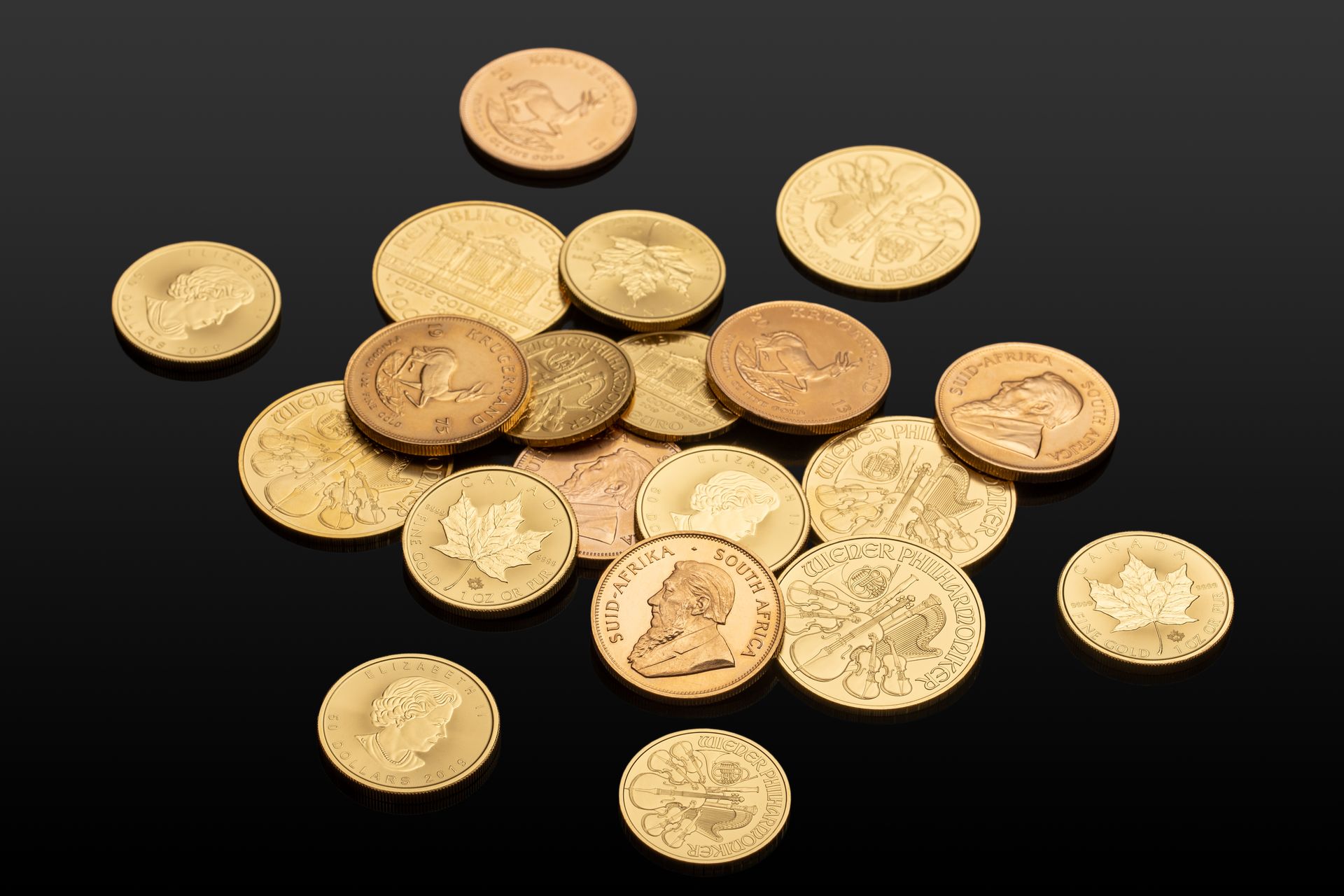
The form the money takes adds a layer. Small change and coins tend to point to everyday worth and the little ways you value yourself, while large bills or heavy sums lean toward bigger questions of status, security, and power. Gold or treasure pushes further still, toward lasting value, inner resources, or something you treat as precious. Cards and digital money, rather than cash in hand, can hint at worth that feels abstract or out of reach, or at trust you're placing in a system you can't fully see.
The Spiritual Meaning of Money Dreams
In many spiritual frameworks, money is read as energy and flow rather than paper. The idea behind the law of attraction is that money mirrors what you believe about receiving: if you expect lack, you brace against it, and if you trust that enough will come, you hold on a little looser. A money dream, in that light, can be a nudge to look at the story you carry about deserving, giving, and getting.
It's worth being honest here. A dream about money is not a promise of wealth, and treating it like one sets you up for disappointment. What it can do is show you where a scarcity story is still running, so you can work with it while you're awake. If the dream left you feeling abundant, let it remind you that the feeling is available. If it left you grasping, that's the part worth tending, not through a ritual for quick cash, but by asking where the fear of not-enough actually comes from. Some people like to pair that inner work with crystals for money and abundance as a daily reminder, less as a magic lever and more as a cue to keep noticing the story.
Money Dreams and Astrology
Your birth chart has its own language for money and worth, and it lines up neatly with these dreams. The second house rules money, possessions, and self-worth, the exact territory most money dreams live in. Its sign and any planets there describe how you earn, hold, and value yourself. Taurus, the sign most tied to the second house, is all about security and knowing what you treasure, while Venus governs what you value and find beautiful in the first place.
The eighth house covers shared money, debt, inheritance, and other people's resources, so dreams about owing, being paid, or money that isn't yours resonate there. Jupiter carries themes of abundance, expansion, and good fortune, and Saturn carries the opposite current: scarcity, limits, and the fear of not having enough. If money anxiety keeps turning up in your dreams, your Saturn placement often shows where you learned to expect lack. Reading your wealth indicators can put language to patterns the dreams are only hinting at.
What Psychology Says About Money Dreams
Carl Jung treated money in dreams as a symbol of psychic energy and personal value, not literal finance. In that reading, how you handle money in a dream mirrors how you handle your own worth and vitality: hoarding it, spending it freely, losing it, or chasing it. The dream becomes a snapshot of your relationship with your own resources.
More practically, money dreams tend to cluster around real-life pressure and change. A new job, a move, a raise, a big purchase, a loss, or a stretch of genuine financial strain can all push money to the front of the sleeping mind. Psychologists also talk about scarcity and abundance mindsets, the habitual lens through which you expect either lack or enough. Money dreams often reflect which lens you've been looking through lately, and they can be a useful prompt to notice it.
When a Money Dream Is Just Day Residue
Before you read anything cosmic into it, rule out the obvious. If you spent the evening staring at bills, filing taxes, arguing over a purchase, or scrolling your bank app, a money dream is probably just your brain filing the day away. Dream researchers call this day residue, and it's one of the most ordinary reasons money shows up at night.
That doesn't make the dream meaningless, but it does change how you read it. A money dream during a calm, money-neutral week is more likely to be pointing at something underneath. A money dream the night before rent is due is usually just the stress you already know about, wearing a different outfit. Start there, then look deeper only if the obvious explanation doesn't fit.
How to Interpret Your Own Money Dream
You don't need a dictionary to read a money dream. Work through it in order.
First, name the feeling. Were you excited, relieved, panicked, guilty, or numb? The emotion is the real headline. Second, note the action: did you find, lose, give, take, count, or owe? Each one points somewhere different. Third, note who was there and whose money it was, because the people often matter more than the cash. Fourth, ask what in your waking life feels valued, threatened, or scarce right now. Fifth, rule out day residue. And last, write it down. Keeping a short dream journal is the fastest way to spot the pattern, because money dreams tend to return in slightly different forms until you deal with what's underneath. Pulling a tarot card on the question, or checking what your chart says about your second house, can give the dream another angle to answer from.
Frequently Asked Questions
What does it mean to dream about finding money?
Finding money usually means you're recognizing value you'd overlooked, in a skill, an opportunity, or yourself. It often points to growing confidence or a sense of luck. Notice whether you kept it or felt you had to give it back, which reflects whether you believe you deserve what's coming.
Is dreaming about money good luck?
Not on its own. Folklore is split, with some traditions calling it a sign of abundance and others a warning of loss. A money dream is better read as a mirror of how secure and valued you feel right now, not as a prediction about your finances.
What does it mean to dream about losing money?
Losing money usually ties to fear of loss, powerlessness, or the feeling that something is draining your energy. It can point to a job, a relationship, or a worry you've been avoiding. Ask what, or who, has been quietly taking more than you have to give.
What does it mean to dream of counting money?
Counting money is a dream about taking stock and looking for reassurance that you have enough, in resources or in worth. If the count felt anxious or never added up, the dream may mirror a part of you that keeps checking whether you measure up.
Does dreaming about money mean I'll get rich?
No. Money dreams reflect your relationship with worth, power, and security, not your future bank balance. Treating a dream as a wealth prediction sets you up for disappointment. Use it instead to notice where you feel abundant and where a fear of not-enough is still running.
Money dreams are less about cash than about how you value yourself and what you're afraid to lose. Read the feeling first, rule out an ordinary stressful day, and let the rest point you toward the part of your worth that's asking for attention. To go deeper, map your money and self-worth placements with a free natal chart, or pull a card on what the dream is really about.