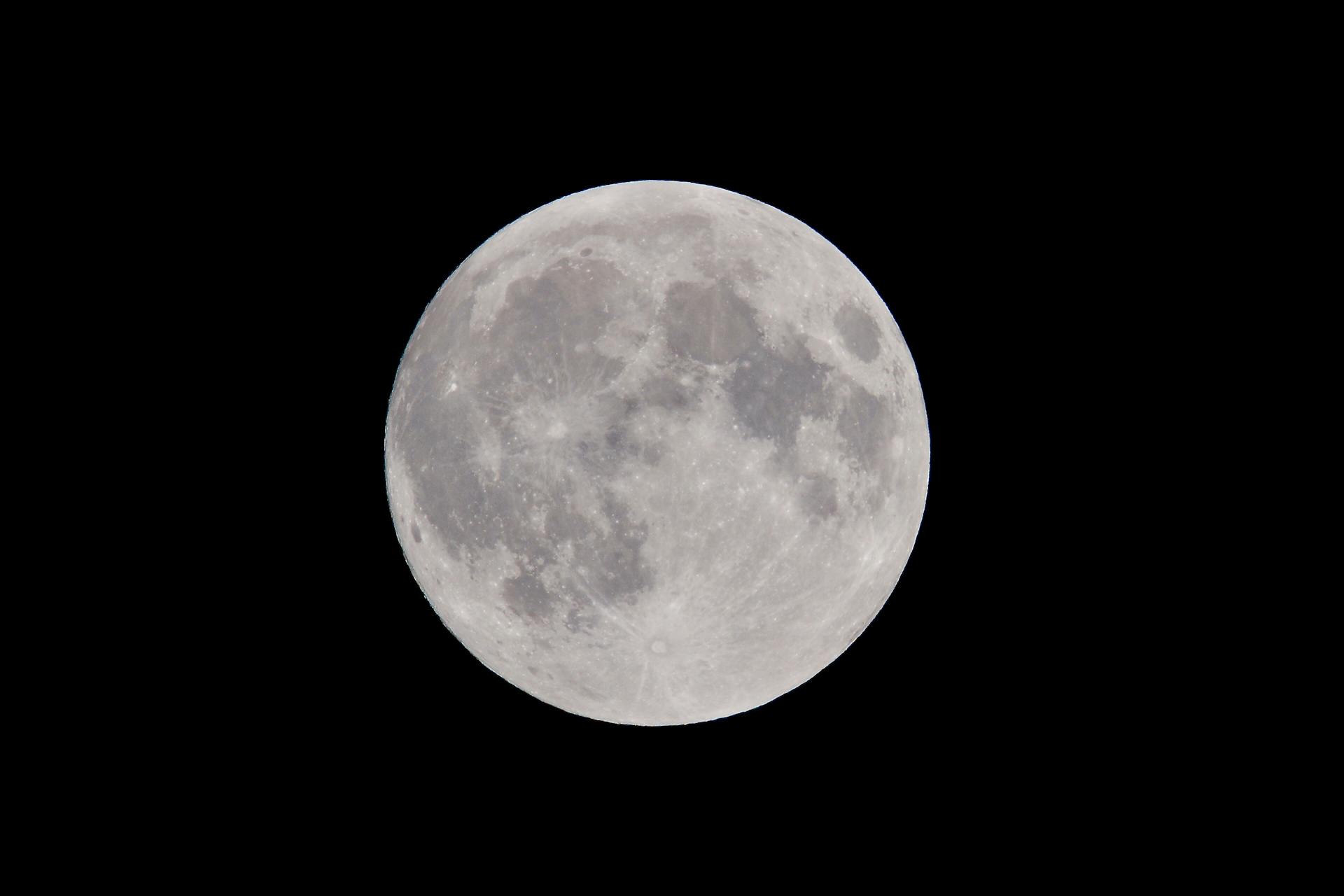
Full Moon Rituals: What the Full Moon Means and How to Work with Its Energy
The full moon pulls tides across oceans, floods the night with silver light, and, if thousands of years of human observation count for anything, stirs something in people too. Emergency rooms report higher volumes on full moon nights. Sleep researchers have documented shorter, more disrupted sleep during the full phase. And across virtually every culture that has ever looked up, the full moon has been treated as a moment that matters, a peak, a turning point, a time when the invisible becomes visible.
In astrology, the full moon isn't just a beautiful sky event. It's the climax of a cycle that began two weeks earlier at the new moon. It's the point of maximum illumination, when the Sun and Moon sit on opposite sides of the zodiac and the tension between them lights up whatever you've been building, avoiding, or refusing to see. Full moon rituals aren't about superstition. They're about working intentionally with a rhythm that's already affecting you whether you acknowledge it or not.
What You'll Learn
What the Full Moon Means in Astrology
The full moon occurs when the Sun and Moon are in exact opposition, sitting 180 degrees apart across the zodiac. The Sun lights up one sign. The Moon reflects that light from the opposite sign. This polarity is the full moon's defining feature, and it's why full moons so often bring things to a head.
Astrologically, the Sun represents your conscious identity, your will, and the direction you're actively pursuing. The Moon represents your emotional interior, your instincts, and the needs you don't always articulate. When they oppose each other, the tension between what you want and what you feel becomes impossible to ignore. Relationships that have been simmering reach a boiling point. Decisions that have been hanging finally demand resolution. Emotions you've been stuffing down refuse to stay buried.
This isn't random chaos. It's clarity. The full moon illuminates. It shows you the full picture of whatever situation the lunar cycle has been developing. If the new moon two weeks earlier planted a seed (an intention, a project, a relationship shift), the full moon shows you what's actually growing. Sometimes that's exactly what you planted. Sometimes it's something entirely different, something more honest than the story you've been telling yourself.
The sign of the full moon matters enormously. A full moon in Aries brings confrontation, independence, and the courage to act on your own behalf. A full moon in Pisces dissolves boundaries and floods you with compassion, dreams, and the desire to merge with something larger. Checking which house the full moon falls in on your natal chart tells you which specific area of your life is being illuminated.
Full moons are also closely tied to eclipses. A lunar eclipse is essentially a supercharged full moon where the Earth's shadow falls across the Moon, adding an element of fate, endings, and permanent shifts to the already potent full moon energy.
The Full Moon and the Lunar Cycle
The full moon doesn't exist in isolation. It's the peak of a 29.5-day cycle that astrologers have tracked for millennia.
New moon (Day 0). The cycle begins in darkness. The Sun and Moon occupy the same degree of the same sign (a conjunction). This is the planting phase, the time for setting intentions, starting fresh, and initiating what you want to grow.
Waxing crescent to first quarter (Days 1-7). Energy builds. The seed you planted at the new moon begins to take root. Challenges emerge that test your commitment to the intention.
First quarter to waxing gibbous (Days 7-14). Momentum accelerates. You're actively building, refining, adjusting. The path forward isn't always clear, but the energy supports action and development.
Full moon (Day 14-15). Peak illumination. Everything that's been building becomes visible. This is the harvest phase, where you see the results of what you started at the new moon. It's also the natural release point, where whatever no longer serves the intention becomes obvious and can be let go.
Waning gibbous to last quarter (Days 15-22). The energy shifts from building to integrating. You're processing what the full moon revealed. Gratitude, sharing, and teaching are supported.
Last quarter to balsamic (Days 22-29). The cycle winds down. This is the time for rest, surrender, and quiet preparation for the next new moon. Trying to start new projects during this phase is like planting seeds in winter. The timing isn't right.
Understanding where the full moon sits within this cycle changes how you work with it. The full moon isn't the beginning of something new. It's the culmination of something already in motion. The rituals that work best at the full moon honor this: they're about receiving clarity, celebrating what's grown, and releasing what you no longer need.
Warm candlelight creating an intimate atmosphere for reflection and ritual
How the Full Moon Affects You by Zodiac Sign
Every full moon illuminates a specific axis of the zodiac, and where it lands in your chart determines how personally you feel it. But the Moon's zodiac sign colors the emotional atmosphere for everyone.
Full Moon in Aries. Raw, impulsive emotional energy. You feel the urge to act first and think later. Anger that's been suppressed surfaces. This moon favors courage, independence, and cutting ties with anything that makes you feel small.
Full Moon in Taurus. Grounded, sensual, and stubborn. Physical comfort becomes a priority. Financial matters reach clarity. You're forced to examine what you actually value versus what you've been clinging to out of habit.
Full Moon in Gemini. Mental overload. Conversations, information, and realizations arrive simultaneously. Communication breakthroughs happen. So do arguments. This moon illuminates the gap between what you think and what you say.
Full Moon in Cancer. Deeply emotional. Family patterns surface. Vulnerability feels both necessary and terrifying. Home, security, and your relationship with nurturing (giving and receiving) come into focus.
Full Moon in Leo. Dramatic, creative, and hungry for recognition. Whatever you've been creating demands to be seen. Pride and ego get activated. This moon asks whether you're expressing your authentic self or performing.
Full Moon in Virgo. Analytical and health-focused. Details you've overlooked become impossible to ignore. Systems that aren't working get exposed. This moon favors practical improvement and honest self-assessment.
Full Moon in Libra. Relationships are the entire story. Partnership dynamics reach a turning point. Fairness, compromise, and the balance between your needs and others' needs become the central question.
Full Moon in Scorpio. Intense, transformative, and uncomfortable. Secrets surface. Power dynamics shift. This moon won't let you stay on the surface. It demands emotional honesty at a depth most people prefer to avoid.
Full Moon in Sagittarius. Expansive and restless. Your belief system gets pressure-tested. The tension between freedom and commitment sharpens. You feel the pull to go somewhere, learn something, or break out of a routine that's become a cage.
Full Moon in Capricorn. Career and responsibility come into focus. Professional situations reach a milestone or a reckoning. Authority, ambition, and the question of whether your structures actually support you get examined.
Full Moon in Aquarius. Community, individuality, and your relationship with the collective take center stage. You're asked whether you're being authentically different or just contrarian. Friendships and group dynamics shift.
Full Moon in Pisces. Boundaries dissolve. Intuition peaks. Dreams become vivid and meaningful. Compassion floods in, sometimes to the point of overwhelm. This moon asks you to surrender control and trust what you can't see.
To know exactly how a full moon is activating your chart, find your Moon sign and check which house the transiting full moon is lighting up.
8 Full Moon Rituals You Can Practice Tonight
Full moon rituals don't require altars, crystals, or any special equipment. They require presence and intention. Here are eight practices that work whether you're a seasoned practitioner or doing this for the first time.
1. The Release Letter
Write down everything you want to release: habits, beliefs, relationships, fears, self-imposed limitations. Be specific. Don't write "I release negativity." Write "I release the belief that I'm not good enough to ask for a raise" or "I release the habit of checking my phone before I've been awake for five minutes."
Once the list is complete, read it aloud. Then destroy the paper. Burn it safely (outdoors or in a fireproof dish), tear it up, or bury it. The physical act of destruction signals to your subconscious that the release is real, not theoretical.
2. Moon Water
Place a glass jar or bowl of clean water where it can catch moonlight, either outside or on a windowsill that receives direct light from the full moon. Leave it overnight. In the morning, you have moon water: water that's been charged with full moon energy.
Use it however feels right. Some people drink it (use filtered water for this). Some add it to a bath. Some use it to water plants or clean sacred objects. The practice is ancient and cross-cultural, appearing in traditions from ancient Greece to modern Wiccan practice. The mechanism isn't the point. The intention is.
3. Full Moon Meditation
Sit or lie where you can see the moon, or simply imagine its light if the sky is overcast. Close your eyes. Breathe deeply and slowly. With each exhale, consciously release one thing that's been weighing on you. With each inhale, invite clarity.
Don't try to empty your mind. Let thoughts come. The full moon stirs up emotions and memories, and meditation during this phase often surfaces material from the subconscious that's ready to be processed. Fifteen minutes is enough. Stay longer if the stillness feels productive.
4. Gratitude Inventory
The full moon is the harvest point of the lunar cycle. Before focusing on what you want to release, acknowledge what you've received. Write a list of everything, large and small, that you're grateful for from the past two weeks. The conversation that shifted your perspective. The meal that was exactly what you needed. The moment of unexpected beauty.
Gratitude at the full moon isn't about toxic positivity. It's about honest accounting. You can hold gratitude for what's working and honest frustration about what isn't. Both are part of the full picture the moon is showing you.
5. Moonlit Walk
This one requires no preparation, no supplies, and no spiritual framework. Walk outside under the full moon. Don't bring your phone, or at least keep it in your pocket. Look up. Breathe. Let the moonlight do whatever it does to you.
Humans have been walking under full moons for hundreds of thousands of years. The practice predates every religion, every spiritual tradition, every self-help framework. Something about moonlight on skin and silvered landscape registers in the body at a level that words can't reach. Trust that.
6. Energy Cleansing
The full moon's intensity makes it a natural time to cleanse your living space of stagnant energy. Open windows. Light incense, dried herbs, or a candle. Move through each room with the intention of clearing what's accumulated and inviting fresh energy.
This isn't about believing that your apartment is haunted. It's about the psychological reality that environments absorb the emotional residue of what happens in them. After a stressful week, your space feels different than after a restful one. Cleansing is the intentional reset.
7. Full Moon Tarot Pull
Pull a tarot card (or three) with a specific full moon question: "What is being revealed to me right now?" or "What am I ready to release?" or "What does the full moon want me to see?"
The full moon's illuminating energy pairs naturally with divination. You're not asking the cards to predict the future. You're asking them to reflect the present with a clarity that your conscious mind might be filtering. The Moon card itself, Major Arcana XVIII, carries themes of illusion, intuition, and the subconscious that resonate deeply during full moon work.
8. Forgiveness Practice
This is the hardest ritual on the list and potentially the most powerful. Under the full moon, identify one grudge, resentment, or source of bitterness you've been carrying. Not because the person who hurt you deserves forgiveness, but because carrying the weight of resentment costs you more than it costs them.
Write the person's name and what happened. Acknowledge the hurt honestly. Then write: "I choose to release this. Carrying it no longer serves me." You don't have to feel it completely. Forgiveness often begins as a decision and becomes a feeling later. The full moon's release energy supports the process.
What to Release During a Full Moon
Not everything belongs at the full moon release fire. The practice works best when you're specific and honest about what's actually ready to go.
Release patterns, not people. "I release my codependent pattern with Sarah" is more useful than "I release Sarah." You can't release another human. You can release the dynamic between you.
Release the belief, not the emotion. "I release the belief that I'm not lovable" is actionable. "I release sadness" isn't, because sadness is a natural emotion that serves important purposes. You're not trying to become emotionless. You're trying to shed the stories and beliefs that generate unnecessary suffering.
Release what you've outgrown. The full moon is excellent for letting go of identities, habits, and commitments that no longer match who you're becoming. The career path you pursued because your parents wanted it. The social circle that drains you. The version of yourself that people-pleases at the expense of honesty.
Release the need to control outcomes. This is the deepest release the full moon offers. The tension between the Sun (will, intention, direction) and the Moon (emotion, instinct, surrender) creates a natural invitation to loosen your grip on how things are supposed to go.
Full Moon Names by Month
Every culture that has tracked the moon has named the full moons. The names most commonly used in Western astrology and popular culture come from Native American, Colonial American, and European traditions.
January: Wolf Moon. Named for the wolves that howled outside villages during the deep cold of midwinter.
February: Snow Moon. The month of heaviest snowfall in many regions of the Northern Hemisphere.
March: Worm Moon. The ground begins to thaw, and earthworms emerge, signaling the return of spring.
April: Pink Moon. Named for phlox, one of the first wildflowers to bloom in spring, not for the moon's color.
May: Flower Moon. Spring is in full bloom. Abundance and fertility are the themes.
June: Strawberry Moon. The brief season for harvesting wild strawberries. Often appears with a warm, golden hue near the horizon.
July: Buck Moon. Male deer begin growing their new antlers for the season.
August: Sturgeon Moon. Named by fishing communities for the large sturgeon most readily caught during this month.
September: Harvest Moon. The full moon closest to the autumnal equinox, providing extra light for farmers bringing in crops.
October: Hunter's Moon. Following the harvest, fields are bare and game is visible. Hunting season begins.
November: Beaver Moon. The time to set beaver traps before waters freeze, ensuring warm fur for winter.
December: Cold Moon. The arrival of deep winter. The longest nights of the year.
When a second full moon occurs within a single calendar month, it's called a Blue Moon. When a full moon coincides with the Moon's closest approach to Earth (perigee), it's called a Supermoon, appearing about 7% larger and 15% brighter than average. Neither term is astrological in origin, but both have entered popular awareness.
The Full Moon and Tarot
The connection between the full moon and tarot runs deeper than using moon phases to time your readings.
The Moon card (Major Arcana XVIII) depicts a full moon flanked by two towers with a path running between them into the unknown. A dog and a wolf howl at the moon while a crayfish crawls from a pool of water. The card represents the subconscious mind, illusion, fear, and the journey through uncertainty. It's the tarot's acknowledgment that not everything can be understood through reason, that some truths emerge only when you surrender to the dark and let the moonlight show you what's there.
During the full moon, tarot readings tend to produce cards that cut closer to the bone. The veil between conscious and unconscious thins. Cards that might feel abstract on a random Tuesday feel pointed and personal under a full moon. Many experienced readers consider the full moon one of the best times for spreads focused on clarity, truth, and what's hidden.
A simple full moon spread: three cards. The first represents what the full moon is illuminating in your life right now. The second represents what's ready to be released. The third represents what remains after the release, the gift the full moon is offering once you've let go of what's blocking it.
Frequently Asked Questions
What should you not do on a full moon?
Most traditions advise against starting brand-new projects during a full moon. The full moon is a culmination point, not a beginning point. It's better suited for completing, releasing, and celebrating than for launching. Major decisions are also better delayed until the emotional intensity settles, since full moon energy can amplify feelings to a degree that distorts judgment. If you're tracking the void of course moon, which often overlaps with full moon periods, that's another reason to hold off on initiating important actions.
How long does full moon energy last?
Astrologers generally consider the full moon's energy active for about three days: the day before, the day of, and the day after the exact opposition. Some practitioners extend this window to five days, particularly when the full moon activates sensitive points in their natal chart. The emotional peak typically hits within 12 hours of the exact full moon time, then gradually subsides as the Moon begins its waning phase.
Do full moons really affect behavior?
The scientific evidence is mixed. Studies on emergency room visits, crime rates, and psychiatric admissions during full moons have produced contradictory results. What research does support is that the full moon affects sleep: a widely cited study from the University of Basel found that around the full moon, people took longer to fall asleep, slept about 20 minutes less, and reported lower sleep quality. Whether reduced sleep alone accounts for the behavioral changes people associate with full moons is an open question.
Can you manifest during a full moon?
The full moon isn't traditionally the manifestation phase, that's the new moon's territory. The full moon is the realization and release phase. However, you can use the full moon to manifest by focusing specifically on what you want to call in after you've released what's blocking it. The key distinction: new moon manifestation is "I'm planting this seed." Full moon manifestation is "I'm clearing the ground so this specific thing has room to grow."
How do I know which full moon affects me the most?
The full moons that affect you most intensely are the ones that land on or near sensitive points in your natal chart: your Sun, Moon, Ascendant, or any planet within a few degrees of the full moon's position. Full moons in your Sun sign or Moon sign are consistently potent, as are full moons that fall on your lunar nodes. If you know your rising sign, you can identify which house each full moon activates, and that house's themes will be front and center.
The full moon has been calling humans outside to look up for as long as humans have existed. You don't need to believe in astrology to feel its pull. But understanding the astrological framework gives you a way to work with the energy rather than just being tossed around by it. Check your natal chart to find your Moon sign and house, then pay attention to where the next full moon lands. What it shows you might not be comfortable. But it'll be honest.