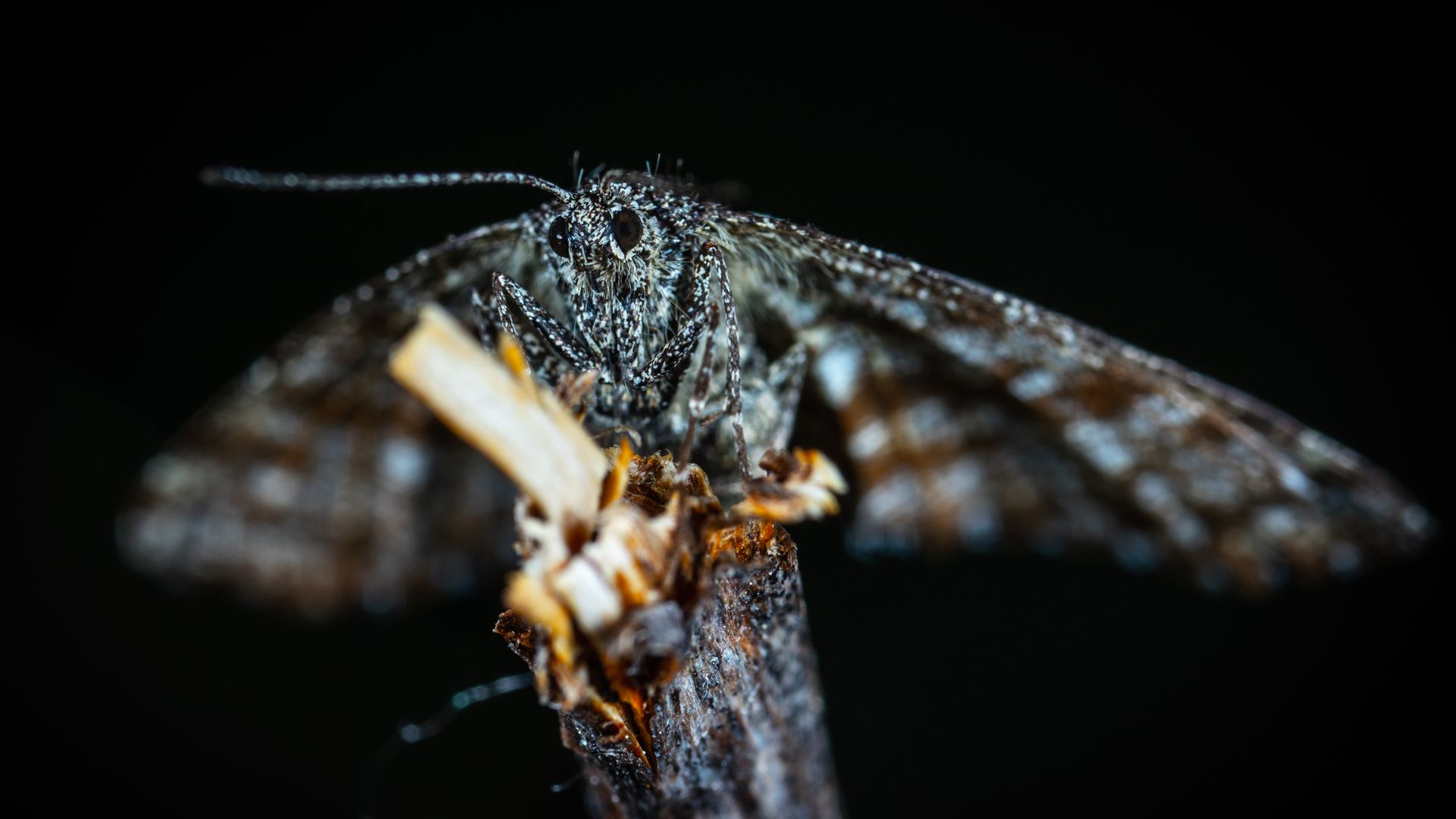
Bug Dream Meaning: What Insects and Swarms Symbolize in Dreams
A bug dream rarely arrives with one clear message. You wake up holding the memory of something crawling, a line of ants across the counter, a roach that wouldn't die, a cloud of gnats you couldn't wave off, and what lingers is less fear than a low, itchy unease. That unease is the whole point. Insect dreams run on multiplicity and smallness. Where a snake dream hands you one powerful figure to reckon with, bugs show up in numbers, and they tend to stand for the small things: the nagging worries, the minor irritations, the problems you've been swatting at instead of solving.
The clue is right there in the language. When something is "bugging" you, it isn't a crisis. It's the steady drip of little stressors you keep telling yourself don't matter, right up until your sleeping mind lines them up and sends them marching.
What You'll Learn

A woman sleeping peacefully on her side on a soft teal pillow
What Does It Mean to Dream About Bugs?
At its core, a bug dream is about the accumulation of small concerns rather than one large threat. Read the number and the feeling before anything else. One beetle minding its own business is a different dream from a kitchen overrun. The first might be a single small worry asking for attention; the second is overwhelm, the sense that the little things have multiplied past what you can manage.
Insects also carry disgust, and disgust in a dream is worth noticing. What repels us usually points at something we'd rather not look at directly. So before you decide a bug dream is random, ask what small, distasteful, or nagging thing you've been pretending not to see. The dream is often just making it large enough to notice.
Why Do We Dream About Insects?
Bugs are one of the oldest things the human nervous system learned to watch for. Bites, contamination, spoiled food, crops under threat. Our brains come pre-wired to flag them, which makes an insect a ready-made symbol for "small thing you need to deal with, and there are a lot of them."
So when waking life loads you up with low-grade stress, the sleeping mind reaches for that image. Common triggers are a cluttered schedule, a relationship irritation you keep swallowing, money worries made of many small bills rather than one big one, a health anxiety, or a project where the details keep multiplying. The insect is the costume. The feeling underneath it is what the dream is actually about.
Are Bug Dreams a Bad Sign?
No, and it's worth saying plainly, because a lot of dream content online treats bugs as omens of illness, betrayal, or bad luck on the way. A dream isn't a forecast. A bug dream is a status report on how you feel right now, usually about things that are small and many.
Some bug dreams even lean encouraging. Ants building, bees working, a moth or butterfly arriving all point toward change and effort rather than dread. The reading depends on the insect, what it's doing, and how you feel while you watch it. Revulsion and helplessness point one way; curiosity or calm point another.
Common Bug and Insect Dream Scenarios
The same insect can mean different things depending on what it does. A few patterns show up again and again.

A long-exposure black and white photo of countless insects swarming around a streetlight at night, their flight paths blurred into pale trails
What Specific Insects Mean in Dreams
The kind of bug narrows the reading. These are tendencies, not rules, and the feeling in the dream always outranks the field guide.
Spiders deserve a note. A spider isn't an insect, it's an arachnid, and it carries a different charge, more about webs, entanglement, and one specific presence than the small-and-many feeling of bugs. If your dream centered on a spider, the spider dream reading will fit you better.
The Spiritual Meaning of Insect Dreams
Across traditions, insects tend to arrive as messengers rather than threats. The scarab meant rebirth in Egypt. Bees have stood for divine order and community in more than one culture. The butterfly is one of the oldest images of the soul and its changes. None of this makes a bug dream a prophecy.
A more grounded spiritual read treats the insect as a prompt. What small thing is asking for your attention, and what are you avoiding because it feels beneath you or because it disgusts you? That avoidance is often where shadow work begins, since the things we find repellent usually mark the parts of ourselves, or our lives, we've refused to examine.
Bug Dreams and Astrology
Astrology doesn't predict dreams, but a few placements map neatly onto the themes bugs carry, and noticing them can sharpen the read.
Virgo is the clearest fit. It's the sign of small details, daily health, cleanliness, and the specific flavor of worry that fixates on little things. A busy Virgo placement, or a hard transit to it, matches the detail-anxious quality of a bug dream closely. The 6th house governs daily routine, work, health, and the small maintenance of life, which is exactly the territory bugs tend to represent.
Mercury rules the quick, nervous, buzzing mind. When Mercury is loud in your chart, or in retrograde by folklore, the racing, swarming quality of thought can surface as insects. For the darker maggot-and-decay reading, look to Scorpio, the 8th house, and Pluto, which all deal in things that have to break down before they renew.
Curious how these land for you? A free natal chart shows where your Virgo, your Mercury, and your 6th house actually sit.
What Psychology Says About Bug Dreams
Psychology mostly reads bug dreams as anxiety in costume, and specifically the small, multiple, nagging kind rather than one big fear. Disgust plays a real role. It's one of our basic emotions, built originally to keep us away from contamination and spoiled food, and bug dreams recruit that same system. A behavior you find distasteful, a compromise you're ashamed of, or a person who repels you can surface at night as something crawling.
The continuity idea in dream research is useful here: dreams tend to continue the emotional concerns of waking life rather than reverse them. If your days are full of small stressors you keep dismissing, your nights may hand them back as bugs, because the dreaming mind is blunt about what you've been avoiding. Recurring insect dreams, especially ones heavy with contamination or being overrun, sometimes travel with anxiety, and if they're frequent and distressing it's reasonable to treat that as information worth taking to a professional rather than a puzzle to solve alone.
Carl Jung would have read the bug as an autonomous piece of the psyche, something small and alive announcing itself whether you invited it or not. His scarab story is the famous example, an insect showing up at the exact moment a patient needed to break a rigid pattern.
When a Bug Dream Is Just Day Residue
Rule this out first. If you spent the evening dealing with an actual ant trail in the kitchen, got bitten at a cookout, watched a documentary about parasites, or fell asleep itchy under a wool blanket, your brain may simply be replaying the day. Day-residue bug dreams tend to feel flat and literal: the bug is just a bug, the scene is ordinary, and the charge fades fast once you're awake.
The dreams worth decoding are the ones where the feeling runs out of proportion to the image, where a single beetle leaves you rattled for an hour, or where the same infestation comes back night after night. Proportion is the tell.
How to Interpret Your Own Bug Dream
A few questions will get you most of the way:
Write it down before it fades, then look for the small thing in your waking life that the dream just made large.
For a wider map of recurring symbols, the common dream symbols guide is a good next stop, and if the bugs came with the feeling of being pursued, the being chased dream reading overlaps. You can keep a running log with our dream tools, or pull a tarot reading when you want a second angle on what's nagging at you.
Frequently Asked Questions
Are bug dreams a bad omen?
No. A bug dream reflects how you feel now, usually about small, nagging stressors, not a prediction of illness or misfortune. Read the insect, what it was doing, and your feeling on waking rather than treating it as a forecast.
What does it mean to dream about bugs crawling on you?
It usually points at anxiety you can physically feel, something getting under your skin that you can't brush off. Rule out a literal cause first, like a real itch or bite, then ask what small worry has been crawling at the edges of your days.
What does dreaming about cockroaches mean?
Cockroaches tend to stand for something you'd rather hide that keeps coming back, a shame, a problem, or a habit that survives every attempt to deal with it. They can also reflect your own stubborn resilience, depending on how the dream felt.
Why do I keep having insect dreams?
Recurring bug dreams usually flag an ongoing stressor made of many small parts that you haven't resolved. The repetition is your nervous system insisting on something you keep dismissing. If they're frequent and distressing, it's worth talking to a professional.
What is the spiritual meaning of insects in dreams?
Many traditions treat insects as messengers rather than threats, from the Egyptian scarab of rebirth to the butterfly as a symbol of the soul. A grounded spiritual read asks what small thing is asking for attention and what you're avoiding because it feels beneath you.
The Takeaway
Bugs in a dream are almost always about the small stuff, the pile of little worries and irritations you've been swatting away instead of facing. Read the number, the species, and above all the feeling. A single beetle asking for attention is a gentler message than a swarm you can't escape, and a maggot clearing away the dead is doing harder, more hopeful work than it looks. Whatever crawled through your night, the useful question stays the same: what's been bugging you, and what would it take to finally deal with it? To see where your own Virgo, Mercury, and 6th house shape that pattern, start with a free natal chart.