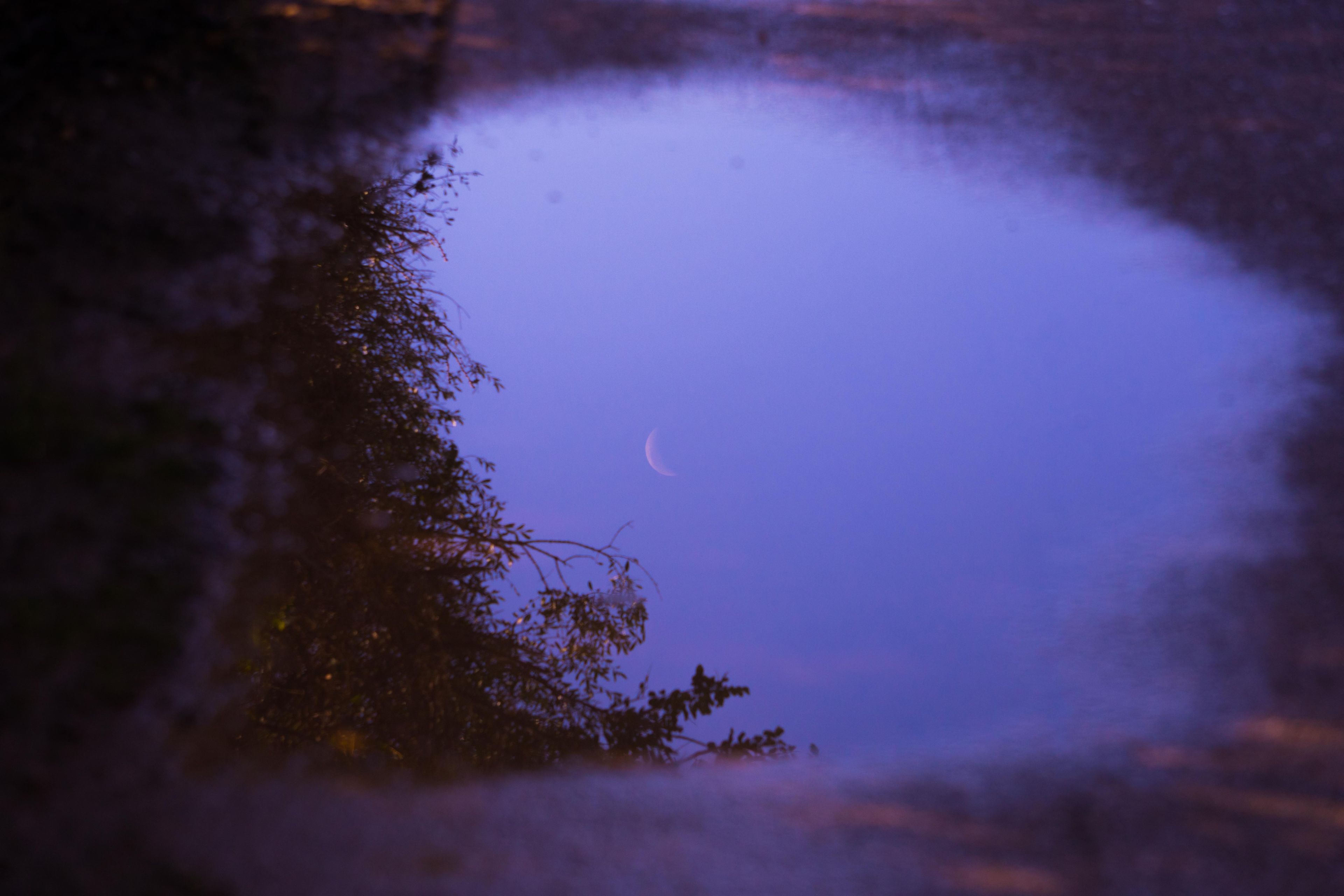
Death Dream Meaning: Why You Dream of Death and What It Really Signals
A death dream almost never means what you're afraid it means. Dreaming about death usually points to an ending, a transition, or a part of your life that's changing shape, not a warning that you or anyone else is about to die. It's one of the most jarring dreams to wake from, and one of the most commonly misread. The mind reaches for death when it needs a big, final image for something that's finishing in your waking life, whether that's a job, a relationship, an old identity, or a chapter you've outgrown.
What the dream actually means depends on who died, how you felt, and what's shifting around you when you're awake. Dying yourself reads differently from watching a loved one die, and a visit from someone who's already passed is its own kind of dream entirely. Here's what dreaming about death tends to signal, why the "someone will die" fear is a myth, how to read the most common versions, and how the symbolism connects to Scorpio, Pluto, and the parts of your chart that govern transformation.
What You'll Learn
What Does It Mean When You Dream About Death?
A death dream is your subconscious using its most dramatic symbol to mark an ending. Something in your life is closing, and your sleeping mind hands you the clearest picture it has for "this is over." That's why death dreams cluster around big transitions: a breakup, a move, a graduation, a career change, a version of yourself you're leaving behind.
The three themes that come up most are endings, transformation, and fear of loss. Endings are the literal read, a phase that's genuinely finishing. Transformation is the hopeful one, where death clears space for something new to grow, the same way winter has to end before spring. Fear of loss is the anxious version, where you're not losing anything yet but you're scared you might.
The feeling you wake with narrows it down. Grief or dread usually points to an ending you haven't accepted. A strange calm, or even relief, often means a part of you is ready to let something go. Like the common symbols that recur in dreams, death carries a shared meaning and a private one at once, and the details are what tell you which is which.
Why Do We Dream About Death?
Death dreams tend to surface during change. When you're between two versions of your life, ending one thing and not yet settled into the next, the mind reaches for its heaviest image to describe the gap. If you've recently left a job, ended a relationship, lost a routine, or watched your circumstances shift, a death dream is often the first place that upheaval shows up.
Stress and grief feed them too. If you're carrying real loss, an actual death, an illness in the family, a fear about someone's health, the mind processes some of that fear at night, and death dreams can become more frequent. This is normal, and it's the brain doing its job: sorting through the things that frightened you during the day so they weigh a little less.
So a death dream can come from two directions. One is symbolic, where death stands in for an ending or a change you're moving through. The other is emotional, where you're actually grieving or afraid and the dream is helping you metabolize it. Keeping a dream journal helps you tell them apart, because the symbolic ones usually track a life change while the grief-driven ones cluster around a specific loss or worry.
Does Dreaming About Death Mean Someone Will Die?
No. This is the fear that sends most people searching, so it's worth being direct: dreaming about death does not predict a real death, yours or anyone else's. There's no reliable link between dreaming that someone dies and that person dying, and the dream is a message about change, not a forecast.
The belief is old and sticky because the emotion is so strong. You wake shaken, you love the person you dreamed about, and the mind fills the fear with meaning. But dreaming of a loved one dying almost always reflects something about your relationship with them or with change itself, not their lifespan. A dream of your mother dying, for example, more often points to a shift in how you relate to her, a growing independence, or a fear of losing her role in your life, than to anything medical.
Treat a death dream as neutral. The panic it brings is your mind turning up the volume so you'll look at what's ending, not a premonition. If the dream leaves you worried about a specific person, the healthy response is to reach out and connect with them, not because the dream warned you, but because it reminded you they matter.

A person sleeping peacefully at night, illustrating the calm truth that death dreams symbolize change rather than predicting real loss
Dreaming About Your Own Death
Dreaming that you die is one of the most common and most misunderstood death dreams. It rarely has anything to do with mortality. Watching or feeling yourself die in a dream usually means a version of you is ending, an old role, a belief, a way of living you've outgrown, so a new one can take its place.
This is why dreams of your own death often arrive right before or during a major life change. People report them around divorces, career pivots, recoveries, and spiritual shifts. The self that fit your old life is dissolving, and the dream stages that as death because death is the biggest ending the mind knows. Many people wake from these dreams not terrified but oddly clear, as if something has been released.
How you die in the dream adds detail. Dying peacefully often signals acceptance, a readiness to let the old chapter close. Fighting death or refusing to go can mean you're resisting a change that's already underway. Coming back to life afterward is one of the most hopeful versions, pointing to renewal and a fresh start on the other side of whatever you're moving through. It runs close to the territory of a spiritual awakening, where an old self has to fall away before a truer one can surface.
Dreaming About Someone Else Dying
When someone else dies in your dream, start by asking what that person represents to you. Dream figures often stand for qualities, not just people. A dream of a strict parent dying might be about your relationship with authority or rules. A dream of a partner dying can reflect a fear of losing closeness, or a change in the relationship that already feels like a small loss.
If it's someone you're close to, the dream usually mirrors your bond, not their fate. Dreaming of a child dying, which can feel unbearable to wake from, often ties to a fear of them growing up and away from you, or to your own protective anxiety, rather than any real danger. The intensity comes from love, and the mind uses the worst image it has to measure how much the person means to you.
Sometimes the person who dies represents a part of your shared history that's ending. If a friendship is fading or a dynamic is changing, your subconscious can dramatize that as a death long before you'd put it into words. This overlaps with shadow work, where the feelings you'd rather not face, resentment, fear, guilt, tend to surface first in disguised, dreamlike forms.
When a Deceased Loved One Visits Your Dream
Dreams of someone who has actually died land in a category of their own. Many people describe these visitation dreams as unusually vivid and calm, with the person appearing healthy, peaceful, and often saying they're okay. Whether you read them as genuine contact or as the mind's way of processing grief, they tend to bring comfort rather than fear.
Grief researchers note that these dreams are common and can be part of healthy mourning, a way the psyche keeps a bond alive while adjusting to the absence. They often arrive at meaningful moments: an anniversary, a hard decision, a time when you miss the person most. Waking from one can reopen the grief, but many people also find them soothing, like a message that the relationship still exists in some form.
You don't have to decide what they "really" are to let them help. If the dream leaves you with something, reassurance, a sense of closure, a phrase you needed to hear, that meaning is yours to keep. Some people who read dreams as guidance treat these as visits and use them as a prompt to connect with their spirit guides or simply to sit with the memory.

A misty path fading into soft light, evoking the peaceful, comforting quality of a visitation dream from a deceased loved one
Common Death Dream Scenarios
The details shape the meaning. Here's how the most frequently reported death dreams tend to be read.
Attending a funeral. A funeral dream often signals a formal goodbye. Whose funeral it is, and how you feel there, points to what you're ready to lay to rest, a phase, a habit, or a relationship you're grieving.
Dying and coming back to life. One of the most encouraging versions. It usually signals renewal, a second chance, or a fresh start emerging from something that felt like an ending.
Being killed or murdered. This can point to a situation or person you feel is forcing a change on you, or a part of yourself you feel pressured to abandon. The identity of the attacker often matters more than the violence.
Dreaming you're already dead. Feeling dead in a dream, watching life go on without you, can reflect burnout, numbness, or a sense of being disconnected from your own life, a signal to reconnect rather than a dark omen.
A dead body you can't identify. An anonymous death can represent a part of yourself, or a chapter, that's ended so quietly you haven't consciously acknowledged it yet.
The Spiritual Meaning of Death Dreams
Spiritually, death is almost universally read as transformation rather than ending. Nearly every tradition frames physical death as a doorway, and dream death borrows that meaning: something old dies so something new can be born. From this angle a death dream isn't dark at all. It's the announcement of a threshold you're crossing.
The clearest image of this is the Death card in tarot, which so rarely means literal death that experienced readers almost always interpret it as change, release, and rebirth. The card shows an ending that clears the way for what's next, the same message a death dream usually carries. If you pull it in a tarot reading alongside a run of death dreams, the two are pointing at the same transformation from different directions.
Read this way, a recurring death dream can be a spiritual nudge to ask what's genuinely finished in your life and what wants to begin. The discomfort is the resistance to letting go, and once you name what's ending, the dream tends to lose its sting.

The Death tarot card, whose rider and dawn imagery signal transformation and rebirth rather than literal death, echoing the meaning of death dreams
Death Dreams and Astrology
Death dreams overlap most clearly with Pluto and Scorpio, the planet and sign of death, rebirth, and everything that transforms by first breaking down. When Pluto is active by transit, a lot of people feel parts of their life ending in ways they didn't choose, and death imagery in dreams is one of the ways that pressure surfaces. Pluto doesn't do gentle change; it does the kind that hollows something out and rebuilds it, which is exactly what a death dream stages.
The same energy runs through Scorpio, the sign most at home with mortality, intensity, and the cycle of death and renewal. If your chart leans heavily Scorpio or Pluto, death themes in dreams can feel especially familiar, and often less frightening, because that part of you already understands endings as part of the process.
In the chart, death and transformation live in the 8th house, the sector tied to shared resources, intimacy, and deep change, while dreams themselves belong to the 12th house of the subconscious. When transits stir either house, dream activity can intensify and death can be one of the images that rises. If the astrological layer resonates, the dream may be underlining a transformation your chart is already describing.
What Psychology Says About Death Dreams
Modern dream psychology reads death as a symbol of change and transition, not prophecy. When a chapter of life closes, the mind translates that into its most complete image of an ending. In this view a death dream is a marker, a way of registering that something significant has finished or is about to.
Carl Jung saw death in dreams as a central symbol of transformation, part of the psyche's ongoing work of shedding old forms to grow into new ones. He connected it to individuation, the long process of becoming more fully yourself, where old identities repeatedly have to die off. Sigmund Freud read some death dreams as tied to buried feelings toward others, wishes and fears the waking mind won't admit. Both agreed the dream is about the inner world, not the calendar.
The grounded takeaway is simple. A death dream is your mind marking an ending and asking whether you've accepted it. Name what's actually finishing in your life, grieve it if you need to, and the dreams usually ease as you make peace with the change.
How to Work With Recurring Death Dreams
If death dreams keep repeating, they're pointing at an ending you haven't fully faced. Here's a simple way to work with them.
Name what's ending. Ask what in your life is genuinely closing or changing right now. Death dreams almost always track a real transition, and naming it takes some of the charge out of the dream.
Sit with the feeling. The emotion you wake with, grief, relief, dread, is the fastest route to what the dream is about. Write it down before it fades, the way you would with a falling or being chased dream.
Let yourself grieve the change. Even good transitions involve loss. Giving the ending a small, honest goodbye, in a journal, a conversation, or a quiet ritual, often settles the dreams.
Reach out if a person is involved. If the dream centered on someone you love, connect with them. The relief of contact does more for the anxiety than any interpretation.
Track the pattern. A single death dream is one data point. A recurring one is a message that hasn't landed yet. Log them, and the theme tends to reveal itself over a few entries, the same way it does with snake dreams during periods of transformation.
Frequently Asked Questions
What does it mean when you dream about death?
It usually means an ending or a transformation in your waking life, not a real death. A phase, relationship, job, or old version of yourself is closing, and the mind uses death as its clearest symbol for that. The feeling you wake with, grief or relief, points to whether you've accepted the change.
Does dreaming about death mean someone is going to die?
No. There's no reliable link between dreaming of someone's death and that person dying. The dream almost always reflects your relationship with that person or with change itself, not their lifespan. It's a symbol, not a premonition.
What does it mean to dream about your own death?
Dreaming of your own death usually means a part of you is ending, an old role, belief, or way of living you've outgrown, so a new one can emerge. It often shows up around major life changes and rarely has anything to do with mortality. Coming back to life in the dream signals renewal.
Is dreaming about death a bad omen?
No. A death dream isn't a warning of danger or bad luck. It's a symbol for endings and transformation, and it often points to a positive shift, a chance to release something old. Treat it as a prompt to look at what's changing, not as a forecast of harm.
Why do I keep dreaming about death?
Recurring death dreams usually mean a transition or loss hasn't been fully processed yet. The dream repeats until you name what's ending and let yourself grieve or accept it. Tracking the dreams and connecting them to real changes in your life tends to ease them over time.
The Takeaway
A death dream is your subconscious reaching for its biggest symbol of endings and change, not a prophecy and not a warning that loss is coming. Read who died, name the feeling, and connect it to whatever chapter of your life is closing, and death turns from something frightening into something that shows you exactly what you're ready to release. When you want to go deeper, log the dream in Celesian's dream journal to track the pattern behind it, pull a tarot reading for insight into the transformation it's pointing to, or explore your free natal chart to see where Pluto and change are moving through your life right now.