Spiritual Awakening: Signs, Symptoms, and the Stages of the Journey
A spiritual awakening is the moment your old way of seeing the world stops fitting. The routines that used to feel fine start to feel hollow, questions you never asked before won't leave you alone, and you sense there's more to your life than the surface you've been living on. It can arrive as a slow unfolding or a sudden jolt, but the heart of it is the same: you wake up to a deeper layer of who you are and why you're here.
That shift can feel thrilling and unsettling at once. One day you're moving through life on autopilot, and the next you're questioning your job, your relationships, your beliefs, and the story you've told about yourself for years. This guide walks through what a spiritual awakening actually is, the signs and symptoms that signal one is underway, the stages most people move through, and how to navigate the hardest part of the journey without losing your footing.
What You'll Learn
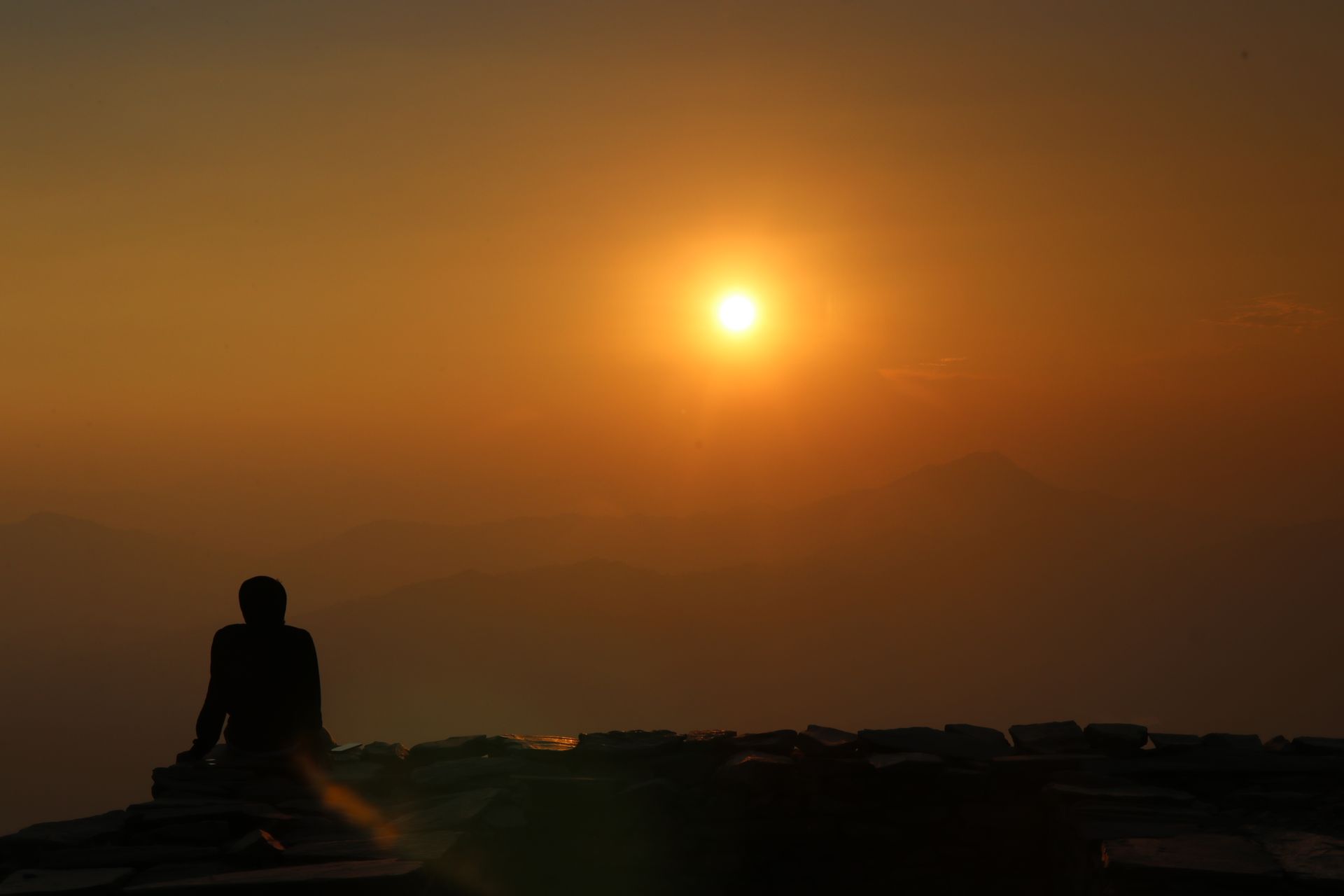
A person sitting in stillness at sunrise, symbolizing the start of a spiritual awakening
What is a spiritual awakening?
A spiritual awakening is a profound shift in consciousness where you stop identifying only with your surface life, your name, job, habits, and opinions, and start sensing a larger awareness underneath all of it. It's the feeling of waking up inside your own life and realizing you've been running on patterns you never chose. Old beliefs loosen, the things you used to chase start to matter less, and a quieter, truer sense of self begins to come forward.
People describe it in different ways because it touches everyone differently. For some it's gentle, a gradual softening into more presence and meaning. For others it's abrupt, set off by loss, illness, or a moment that cracks their world open. What stays consistent is the direction of travel: away from autopilot and toward awareness. An awakening isn't about becoming a different person. It's about meeting the self that was always there beneath the conditioning, and letting that self lead. If you want a map of your own inner makeup as you go through it, your natal chart lays out the energies you came in with and the lessons your soul keeps circling back to.
What are the signs of a spiritual awakening?
The clearest sign of a spiritual awakening is a growing sense that your old life no longer fits, even when nothing on the outside has obviously gone wrong. You feel pulled toward something deeper without always being able to name it. The signs tend to show up across your thoughts, relationships, and daily choices at the same time, which is part of what makes an awakening feel so disorienting.
Common signs of a spiritual awakening include:
You don't need every sign on the list for an awakening to be real. If several of these resonate and they've been building rather than fading, you're likely somewhere on the path.

A person standing beneath a vast star-filled sky, representing the expanded awareness of a spiritual awakening
Physical and emotional symptoms of awakening
A spiritual awakening isn't only a mental shift. Many people feel it in the body and the nervous system too. The symptoms can mimic stress or burnout, which is why awakenings are so often misread at first. As your inner world reorganizes itself, your body tends to register the change before your mind catches up.
On the physical side, people commonly report fatigue or sudden bursts of energy, changes in sleep, vivid or intense dreams, heightened sensitivity to light, sound, food, and other people's moods, and a restless, wired feeling that's hard to settle. None of this is a diagnosis, and it's worth saying plainly: these symptoms overlap with real medical and mental health conditions, so anything persistent or severe deserves a proper checkup rather than a purely spiritual explanation.
Emotionally, awakenings tend to crack you open. Old grief and buried feelings can surface without warning, and you may swing between clarity and confusion, joy and grief, connection and loneliness, sometimes within the same day. Many people feel a strong pull toward shadow work, the practice of facing the parts of yourself you've hidden or denied. That emotional intensity isn't a sign something's wrong. It's usually a sign that long-held material is finally moving so it can clear.
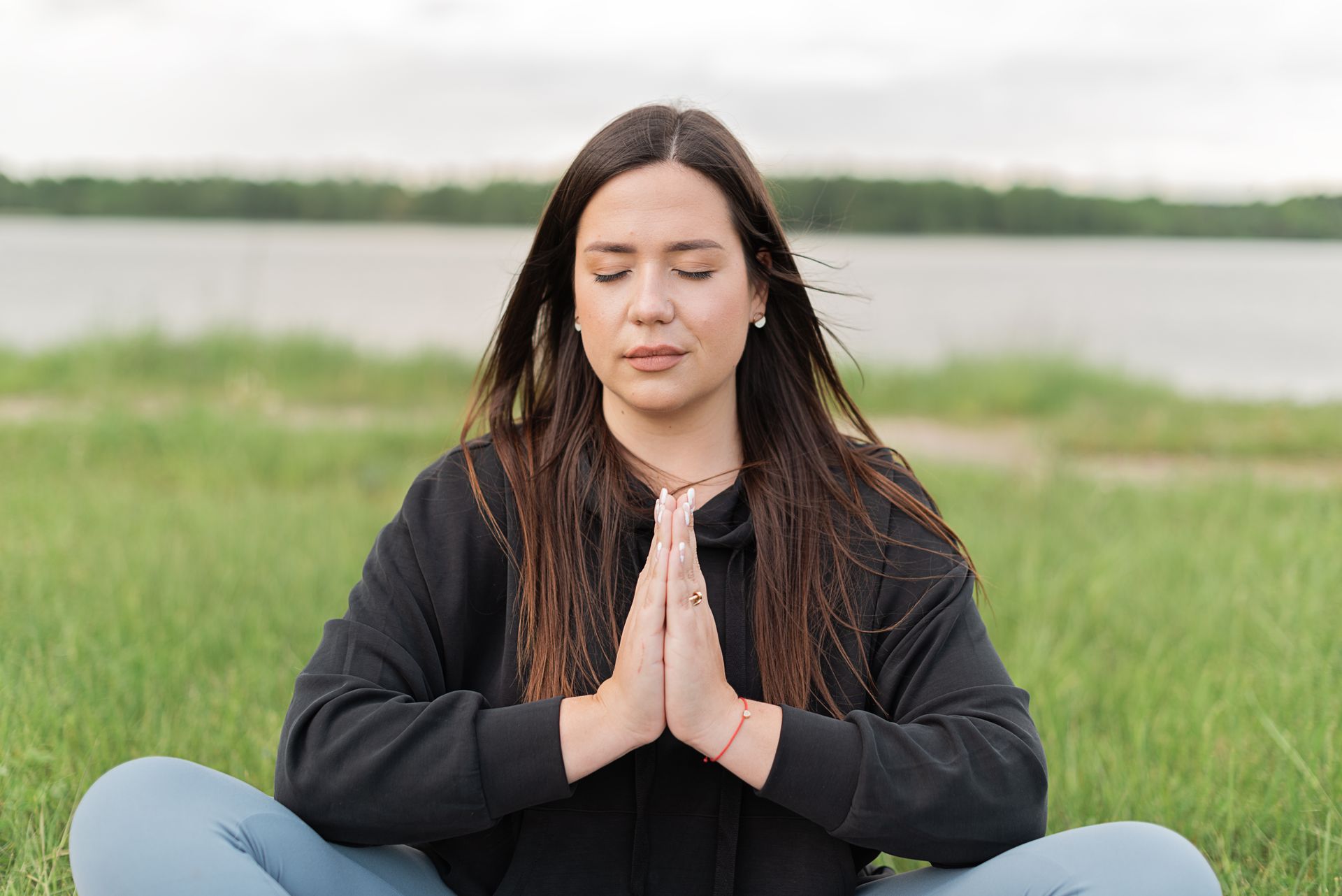
A woman meditating outdoors by calm water, representing the inner work that comes with a spiritual awakening
What triggers a spiritual awakening?
Spiritual awakenings are often triggered by a major life event that breaks open your usual sense of control. Loss, a health scare, heartbreak, burnout, becoming a parent, or hitting rock bottom can all crack the surface enough for a deeper awareness to come through. When the structures you've leaned on stop working, you're forced to look for something more solid underneath, and that search is frequently where an awakening begins.
Not every trigger is painful, though. Some awakenings start through meditation, time in nature, a powerful experience of love or beauty, or simply a slow, quiet sense that there has to be more to life than what you've been living. Many traditions also tie awakenings to specific life chapters, and astrology offers a striking parallel. The Saturn return around ages 29 and 58 often forces a hard reckoning with how you've built your life, while the Uranus opposition near 40 to 44 tends to crack open the midlife questions that send people searching. Your Chiron placement points to the core wound an awakening so often asks you to face and heal. Whatever the trigger, the underlying invitation is the same: to stop avoiding the deeper questions and start living from a truer center.
What are the stages of spiritual awakening?
Most awakenings move through recognizable stages, even though no two journeys look exactly alike. Thinking of it as a process rather than a single event helps, because the path rarely runs in a straight line. You may loop back through earlier stages more than once before something finally settles. A widely used way to describe the journey breaks it into stages like these:
1. The call, or first stirring. A quiet discontent sets in. Something feels off, and you start sensing there's more to life than you've been told.
2. The awakening itself. A trigger, sudden or slow, pulls back the curtain. You see your conditioning clearly and can't unsee it.
3. The unraveling. Old beliefs, relationships, and identities start to fall apart. This stage can feel like losing yourself before you find yourself.
4. The dark night of the soul. The hardest stretch, where meaning seems to drain out of everything and you sit with deep uncertainty.
5. Surrender and integration. You stop fighting the process and begin rebuilding from a truer foundation, integrating what you've learned.
6. Reconnection and embodiment. A grounded sense of peace returns. You start living your insights rather than just thinking them.
7. Service and expansion. With more stability, your focus widens outward, toward purpose, contribution, and helping others find their way.
Don't treat these stages as a rigid checklist. Some people skip steps, some spend years in one, and many cycle through the whole arc more than once across a lifetime. The value is in recognizing roughly where you are, so the hardest stages feel less like failure and more like a known part of the terrain.

A sunlit path winding through a glowing forest, representing the stages and journey of a spiritual awakening
What is the dark night of the soul?
The dark night of the soul is the most difficult stage of a spiritual awakening, a period where meaning seems to collapse and you feel lost, empty, or disconnected from everything that used to anchor you. The phrase comes from the 16th-century mystic St. John of the Cross, who used it to describe a painful stretch of spiritual emptiness that ultimately led to deeper union with the divine. Today it's used more broadly for that low point in any awakening where the old self has fallen away but the new one hasn't fully formed.
It can feel like depression, and the two can overlap, so this is another moment where professional support matters and isn't a sign of weakness. What sets the dark night apart for many people is its sense of purpose underneath the pain, a feeling that you're being stripped down to something more essential rather than simply breaking. The way through is usually surrender rather than force. You let the old identity dissolve, sit with the discomfort instead of numbing it, and trust that the emptiness is clearing space. Painful as it is, many people look back on the dark night as the turning point where their real transformation began.

A lone silhouette beneath a deep, vivid night sky, representing the dark night of the soul
How long does a spiritual awakening last?
There's no fixed timeline for a spiritual awakening. For some people the most intense phase lasts a few weeks or months, while for others the deeper process unfolds over years. The truth most teachers land on is that awakening isn't a destination you reach and finish. It's an ongoing process of growth that keeps deepening over a lifetime, with active, intense seasons and quieter stretches of integration in between.
The acute, disorienting part, where everything feels upside down, usually does pass. The dark night of the soul, however heavy it feels, is a stage rather than a permanent state. What helps most is to stop measuring your progress against anyone else's clock. Awakening moves at the pace your nervous system and your life circumstances can actually handle. Trying to rush it tends to backfire, while patience and steady inner work let each stage do its job. If you keep an eye on the moon phases, they make a simple, grounding rhythm for setting intentions and tracking your own growth as the months pass.
How to navigate a spiritual awakening
The best way to navigate a spiritual awakening is to slow down, get support, and stop trying to force the process into a tidy shape. You can't think your way through an awakening, but you can meet it with practices that keep you grounded while the deeper change works itself out. Small, consistent habits matter far more than dramatic gestures.
A few ways to steady yourself through the journey:
Above all, be gentle with yourself. An awakening asks a lot, and there's no prize for white-knuckling through it alone.
Frequently asked questions
What are the most common signs of a spiritual awakening?
The most common signs are a deep restlessness with your old life, questioning your beliefs and choices, sharper intuition, a craving for solitude, shifting relationships, and noticing more synchronicities. Most people experience several of these at once rather than just one, and they tend to build over time rather than appear overnight.
Can a spiritual awakening happen suddenly?
Yes. While many awakenings unfold slowly, others are triggered abruptly by loss, illness, heartbreak, or a single powerful experience that cracks your worldview open. A sudden awakening can feel intense and disorienting because the shift arrives faster than your mind can process it, but it's just as valid as a gradual one.
Is a spiritual awakening the same as a mental health crisis?
No, though they can look alike and sometimes overlap. Awakenings often bring anxiety, low moods, and confusion that resemble mental health struggles. Because the symptoms overlap, anything severe or persistent deserves support from a qualified professional. Spiritual growth and proper mental health care work together, not against each other.
How long does the dark night of the soul last?
It varies widely, from weeks to a year or more, depending on the person and what's being worked through. The dark night is a stage rather than a permanent state, and it does pass. Surrendering to the process, getting support, and resisting the urge to numb or rush it tend to help you move through it sooner.
What should you do during a spiritual awakening?
Slow down, stay grounded with sleep, nature, and movement, and build a small daily practice like meditation or journaling. Let your emotions move instead of suppressing them, lean on trusted people for support, and be patient. Reflective tools like tarot or your natal chart can help you understand what's surfacing.
A spiritual awakening can feel like your whole world is being rearranged, because in a sense it is. The discomfort is real, but so is the deeper, steadier self waiting on the other side of it. Move gently, get support, and trust that the unraveling is making room for something truer. To understand the energies and lessons you're working with as you grow, generate your free natal chart and start reading your own inner map.