
Signs You're an Empath: Types, Traits, and How to Protect Your Energy
An empath is someone who absorbs other people's emotions as if they were their own. You don't just notice that a coworker is stressed, you feel the stress land in your own chest. You can walk into a gathering in a good mood and leave two hours later drained, heavy, and unsure why. That's the empath experience in one sentence: other people's feelings become your feelings, often before you've had a chance to sort out which are actually yours.
Being an empath isn't a diagnosis or a superpower. It's a personality trait tied to a sensitive nervous system and strong wiring for empathy. A meaningful slice of the population processes the world this deeply, and if you're here because something already rings true, you're probably one of them. This guide covers the clear signs, the different types of empaths, why you soak up energy that isn't yours, what your birth chart has to do with it, and the habits that keep you from burning out.
What You'll Learn
What Is an Empath?
An empath is a person who feels emotions from the outside in. Most people run their own emotional weather and observe everyone else's from a comfortable distance. An empath doesn't get that distance. The emotional states around you cross the gap and register in your own body, sometimes so smoothly that you mistake them for your own mood.
The word gets used loosely, so here's the useful distinction. Everyone has empathy, which is the ability to understand and share what someone else feels. An empath sits at the far, intense end of that spectrum, where the sharing part happens automatically and physically. You might get a headache in a tense meeting, feel a wave of sadness the moment a friend calls even before they say anything is wrong, or need a full day alone to recover after a busy week.
This isn't about being fragile or dramatic. Plenty of empaths are calm, capable people who hold demanding jobs and raise families. The difference is behind the scenes, in how much emotional information they take in and how long it takes to clear it out. Once you understand that you're running a more sensitive instrument, the goal stops being to toughen up and becomes learning to manage the input.
12 Signs You're an Empath
You don't need every sign on this list. Most empaths recognize themselves in seven or eight of them right away.
1. You feel other people's emotions physically. Someone else's anxiety shows up as tightness in your chest or a knot in your stomach.
2. Crowds wear you out fast. Concerts, malls, and packed offices leave you frazzled even when nothing bad happened.
3. You need regular alone time to recharge. Solitude isn't a luxury for you, it's how you reset your nervous system.
4. People tell you everything. Strangers open up to you in checkout lines because they sense you'll actually listen.
5. You can't watch cruelty on screen. Violent news, true crime, and graphic movies stay with you for days.
6. You sense a mood shift before a word is spoken. You know when someone walks in upset, angry, or hiding something.
7. You take on other people's problems as your own. Their stress becomes your stress, and you lose sleep over it.
8. You're deeply affected by nature, music, and art. A sunset or a song can move you to tears in the best way.
9. You have strong gut reactions to people. Some folks feel safe instantly, others put you on edge for no clear reason.
10. You struggle to say no. Saying no means risking someone's disappointment, which you feel as if it were your own.
11. You get overwhelmed in conflict. Even minor arguments can flood you and shut you down.
12. You're sensitive to your environment. Bright lights, loud sounds, strong smells, and clutter all affect your mood.
If a good number of these describe your everyday life, you're almost certainly an empath. The next question is what kind.

A dreamy watercolor scene of water and light, evoking the emotional depth and intuition many empaths feel
Empath vs Highly Sensitive Person vs Sympathy
These three get tangled together, so here's the clean split.
Sympathy is feeling for someone. You see a friend going through a hard time and you feel sorry for them, but their pain stays theirs. There's a wall between you and the feeling.
A highly sensitive person, or HSP, is a well-studied temperament. Researcher Elaine Aron popularized the term and estimates that 15 to 20 percent of people are highly sensitive, meaning they process sensory and emotional information more deeply and are quicker to feel overstimulated. Most empaths are also highly sensitive, but the HSP label focuses on the nervous system's depth of processing rather than the specific experience of absorbing emotion.
An empath takes it one step further. Instead of feeling for someone or simply processing life deeply, an empath feels with someone, taking the emotion into their own body. The wall that keeps most people's feelings separate is thin or missing.
Think of it as a ladder. Sympathy sits on the ground, keeping distance. Highly sensitive people stand higher, feeling everything more intensely. Empaths are at the top, so tuned in that other people's inner states become their own until they learn to tell the difference. Knowing where you land helps you stop judging yourself for reactions that are just how you're built.
The Types of Empaths
Empaths aren't all wired the same way. Most people lean toward one or two of these types.
Emotional empaths absorb feelings directly. This is the most common type, the one who catches a room's mood like a cold.
Physical or medical empaths pick up other people's physical symptoms and energy, sometimes feeling fatigue or aches that aren't theirs.
Intuitive empaths get strong hits of insight about people, reading intentions and honesty without knowing how they know. This overlaps with the clair senses like clairsentience, the felt form of intuition.
Plant and animal empaths feel a deep, almost conversational connection to pets, wildlife, or growing things and are unsettled when nature is harmed.
Earth empaths are affected by natural cycles, weather, the moon, and the state of the planet itself, often feeling storms or seasonal shifts in their body.
Dream empaths receive vivid, meaningful dreams and process emotion heavily during sleep. Keeping a journal helps them decode the messages.
Heyoka empaths act as emotional mirrors, reflecting people back to themselves in ways that can be jarring but that push others toward growth.
You might see yourself in several of these at once, and that's normal. The types describe channels of sensitivity, not fixed boxes.
Why Empaths Absorb Other People's Energy
There are two ways to explain what's happening, and both are worth knowing.
The grounded, science-friendly explanation starts with empathy circuitry in the brain. Researchers point to mirror systems, networks of neurons that activate both when you do something and when you watch someone else do it. In empaths, this responsiveness appears to run especially hot, so watching someone suffer produces a strong internal echo. Add a sensitive nervous system that filters less incoming information, and you get a person who registers emotional signals most people tune out, including microexpressions, tone shifts, and body language they never consciously notice.
The energetic explanation, common in spiritual traditions, describes it in terms of an energy field. Every person radiates a field, and empaths have thinner or more porous boundaries around theirs. When you spend time near someone, their energy mingles with yours, and you carry pieces of it home. This is why your aura and its colors and the health of your chakras or energy centers come up so often in empath circles, since both frameworks are really about the strength and clarity of your boundaries.
You don't have to choose one explanation. Whether you frame it as an overactive empathy response or as porous energetic boundaries, the practical takeaway is identical: you take in more than you generate, so you need reliable ways to clear it out.
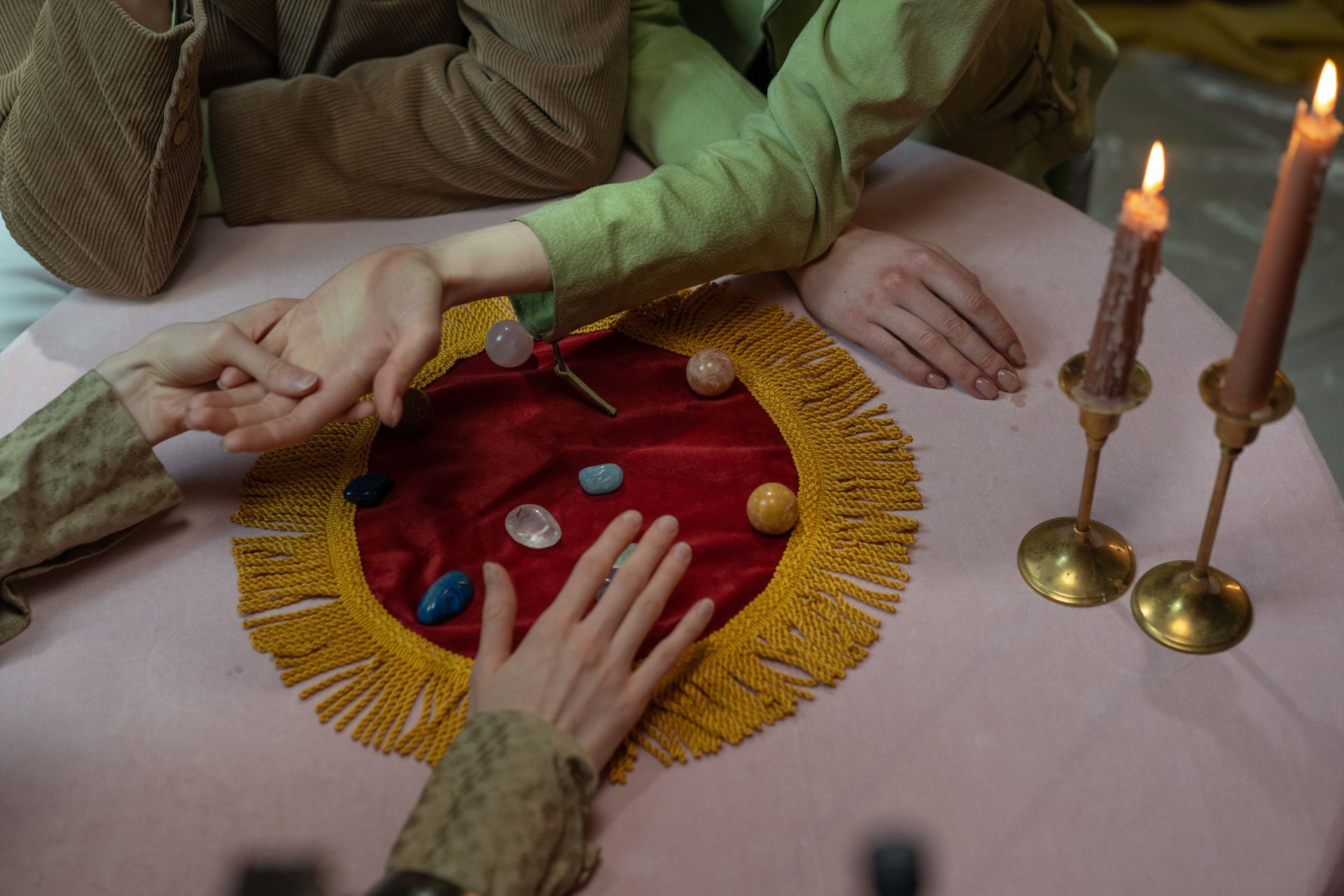
Healing hands hovering over the body, representing the flow of energy empaths sense and absorb from others
Are Empaths Born or Made?
Both, and the mix is what makes each empath unique.
Some of it is temperament you're born with. Sensitivity runs in families, and researchers who study highly sensitive people describe it as a heritable trait present from birth. Many empaths report being deeply feeling children long before anyone taught them to be, the kid who cried at the news or couldn't handle a tense household.
Environment shapes the rest. Growing up with an unpredictable or emotionally intense caregiver often sharpens a child's ability to read a room, because reading the room was how they stayed safe. That early training can turn a naturally sensitive kid into a finely tuned emotional radar. Trauma, loss, and caretaking roles can all deepen empathic ability over time.
So an empath is usually a sensitive nature raised in circumstances that amplified it. That's good news, because it means the same trait that once felt like a burden can be developed into a skill. You can learn to aim your sensitivity on purpose instead of being swept along by it.
What Your Birth Chart Says About Being an Empath
Astrology has its own language for sensitivity, and empaths tend to see themselves all over their charts. It won't diagnose you, but it often explains why the trait feels so central to who you are.
The water element is the headline. Cancer, Scorpio, and Pisces are the emotional, intuitive, boundary-blurring signs of the zodiac. A stack of water placements, especially involving your Sun, Moon, or rising sign, is a classic empath signature. Pisces in particular is famous for having almost no filter between self and other.
The Moon matters too, since it governs your emotional world. A prominent Moon, a Moon in a water sign, or close aspects between the Moon and Neptune can crank up your sensitivity to the people around you. Neptune itself dissolves boundaries wherever it lands, which is a gift for compassion and a challenge for knowing where you end and someone else begins.
Then there's the twelfth house, the part of the chart tied to the unconscious, spirituality, and merging with something larger than yourself. Planets here often point to someone who feels the collective mood and needs regular retreat to stay well. If you want to see your own placements mapped out, run your free natal chart and look for water signs, a strong Moon, Neptune contacts, and twelfth house activity. Together they tell the empath story in astrological terms.
Moonlight over still water, symbolizing the twelfth house and the deep, boundaryless sensitivity in an empath's birth chart
How to Protect Your Energy as an Empath
The point isn't to shut down your sensitivity. It's your best quality. The point is to keep it from running you into the ground. These habits do the heavy lifting.
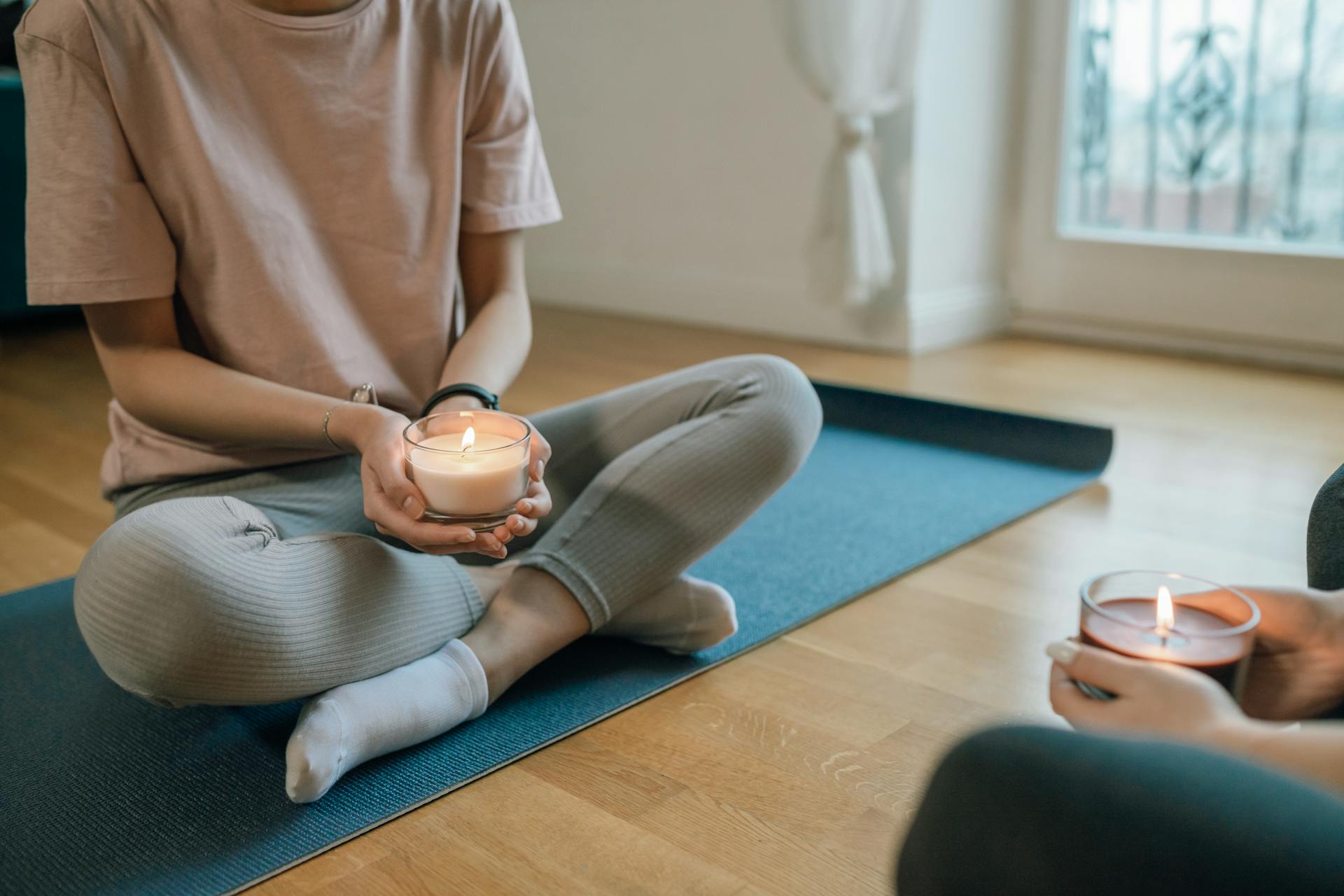
A calm self-care meditation setup with candlelight, the kind of grounding ritual that helps empaths clear absorbed energy
Name what's yours. When a feeling hits, pause and ask, is this mine or did I pick it up. Simply labeling an emotion as borrowed loosens its grip and stops you from acting on someone else's panic.
Protect your alone time like an appointment. Solitude is how your nervous system clears the day's input. Build in quiet blocks and treat them as non-negotiable, not as something you earn after everyone else is handled.
Set real boundaries. You're allowed to say no, leave early, and decline to carry problems that aren't yours to fix. Boundaries feel unkind to a chronic empath, but they're what let you help people without dissolving into them.
Ground yourself daily. Time in nature, walking barefoot on grass, cold water, breathwork, and slow movement all pull you back into your own body. A short grounding self-care ritual after draining situations works better than white-knuckling through them.
Clear the residue. Whatever framework you trust, give yourself a way to reset. A shower with the intention of washing off the day, a few minutes of meditation, or an energy practice like Reiki all help empty the tank so you don't carry yesterday into tomorrow.
Do your own inner work. The more you understand your own patterns, the easier it is to separate them from what you absorb. Shadow work and honest self-reflection make you less likely to mistake someone else's fear for your truth.
Protecting your energy is a daily practice, not a one-time fix. Done consistently, it turns being an empath from something that happens to you into something you actually run.
Frequently Asked Questions
How do I know if I'm an empath or just sensitive?
A sensitive person feels their own emotions intensely. An empath goes further and absorbs other people's emotions as if they were their own, often feeling them physically. If you regularly leave interactions carrying moods that started with someone else, you're likely an empath, not only sensitive.
Can empaths sense negative energy in people?
Yes. Many empaths get an immediate gut read on someone, feeling safe with some people and uneasy with others for no obvious reason. You're picking up subtle cues like tone, body language, and emotional undercurrents that most people filter out without noticing.
Is being an empath a gift or a curse?
It's both until you learn to manage it. Unmanaged, absorbing everyone's feelings leads to burnout, anxiety, and resentment. With boundaries and energy practices, that same sensitivity becomes deep compassion, sharp intuition, and a rare ability to make people feel understood.
What zodiac signs are most likely to be empaths?
The water signs Cancer, Scorpio, and Pisces are the classic empath signs, with Pisces often the most porous of all. A strong Moon, Neptune aspects, or twelfth house emphasis anywhere in the chart can also point to an empath, regardless of Sun sign.
How do empaths stop absorbing other people's emotions?
Start by naming which feelings are yours and which are borrowed, then protect your alone time, set firm boundaries, and ground yourself daily through nature, breathwork, or energy clearing. Consistent practice, not a single trick, is what keeps you from soaking up everything around you.
Bringing It Together
Being an empath means you feel the world at full volume, other people's joy and pain included. That sensitivity is real, it's partly inborn and partly shaped by your life, and it shows up clearly in a water-heavy birth chart. Left unmanaged it drains you, but with boundaries and daily energy care it becomes one of your greatest strengths.
Curious where your sensitivity comes from in the stars? Run your free natal chart to spot your water placements, Moon, and Neptune contacts, then explore how your energy meshes with the people closest to you using the compatibility tool.