What Is Reiki? A Beginner's Guide to Energy Healing
Reiki is a Japanese energy healing practice where a trained practitioner rests their hands lightly on or just above your body to encourage deep relaxation and a sense of balance. The word comes from two Japanese terms, rei, meaning universal or spiritual, and ki, meaning life energy, so reiki translates loosely as universal life energy. In a typical session you lie down fully clothed while the practitioner moves through a series of gentle hand positions, and most people describe the hour as something between a nap and a meditation.
Reiki was developed in Japan in the early 1920s by Mikao Usui, and the style most people practice today is known as Usui Reiki. It sits within a wider family of energy healing methods that treat a person as more than the sum of their physical parts. You don't need to hold any particular belief to try it, and you don't have to call yourself spiritual to walk out feeling calmer. This guide covers what reiki is, how it's said to work, what really happens in a session, how it connects to the chakras, and how to start a simple self-reiki practice at home.
What You'll Learn
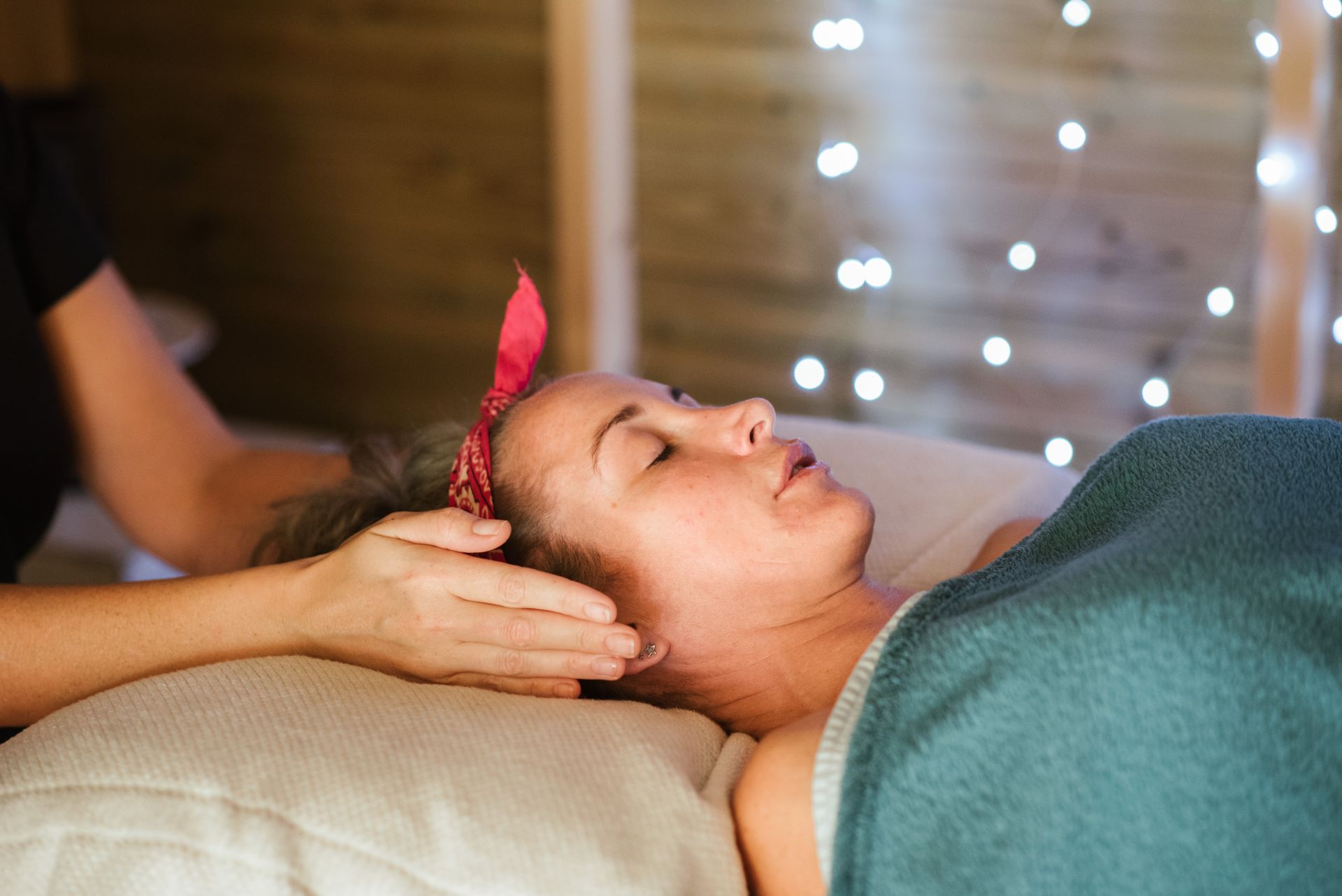
A practitioner's hands held gently above a person resting during a reiki energy healing session
What is reiki?
Reiki is a hands-on energy healing technique that uses light touch to support relaxation, ease stress, and bring a feeling of balance to body and mind. The practitioner acts as a channel, placing their hands in a sequence of positions over your body while you rest. There's no massage, no manipulation, and no pressure. The touch is still and soft, and over some areas the hands simply hover an inch or two above you.
The practice traces back to Mikao Usui, a Japanese teacher who founded the system in 1922 after a period of study and meditation. From Japan it spread to the West through teachers like Hawayo Takata in the mid-twentieth century, and today reiki is practiced worldwide and offered in settings that range from private studios to some hospitals and hospice programs as a comfort therapy.
What sets reiki apart from ordinary touch is the idea of attunement. A reiki practitioner has been initiated by a reiki master through a ceremony said to open them as a conduit for life energy. Once attuned, the tradition holds, that ability stays with them for life. Whether you take the energy literally or treat it as a framework for focused, caring attention, the core experience is the same: a quiet, restful hour designed to help your nervous system settle.
How does reiki work?
Reiki works, according to its tradition, by channeling life energy through the practitioner's hands to the person receiving it, supporting the body's own capacity to relax and rebalance. This life energy goes by many names across cultures. In Japan it's ki, in China it's qi, and in the yogic tradition it's prana. The shared idea is that a subtle vitality flows through everything living, and that when it moves freely you feel well, while stagnation or blockage shows up as tension, low mood, or fatigue.
In a session, the practitioner directs this energy to wherever it seems needed, often pausing longer over areas that feel dense or unsettled to them. Many practitioners map their hand positions loosely onto the body's energy centers, which is where reiki overlaps with the chakra system. If a center feels blocked, the hands rest there longer. This is also why reiki sits comfortably beside other energy practices like working with your aura or crystal healing.
It's only fair to be clear about the mechanism. Science hasn't measured a reiki energy field, and there's no proven physical force passing from one person to another. What researchers can point to is the well-documented effect of rest, calm breathing, and gentle human touch on the nervous system. You can find reiki genuinely soothing while holding that honesty, the same way a quiet ritual or a long exhale can settle you without any mystery attached.
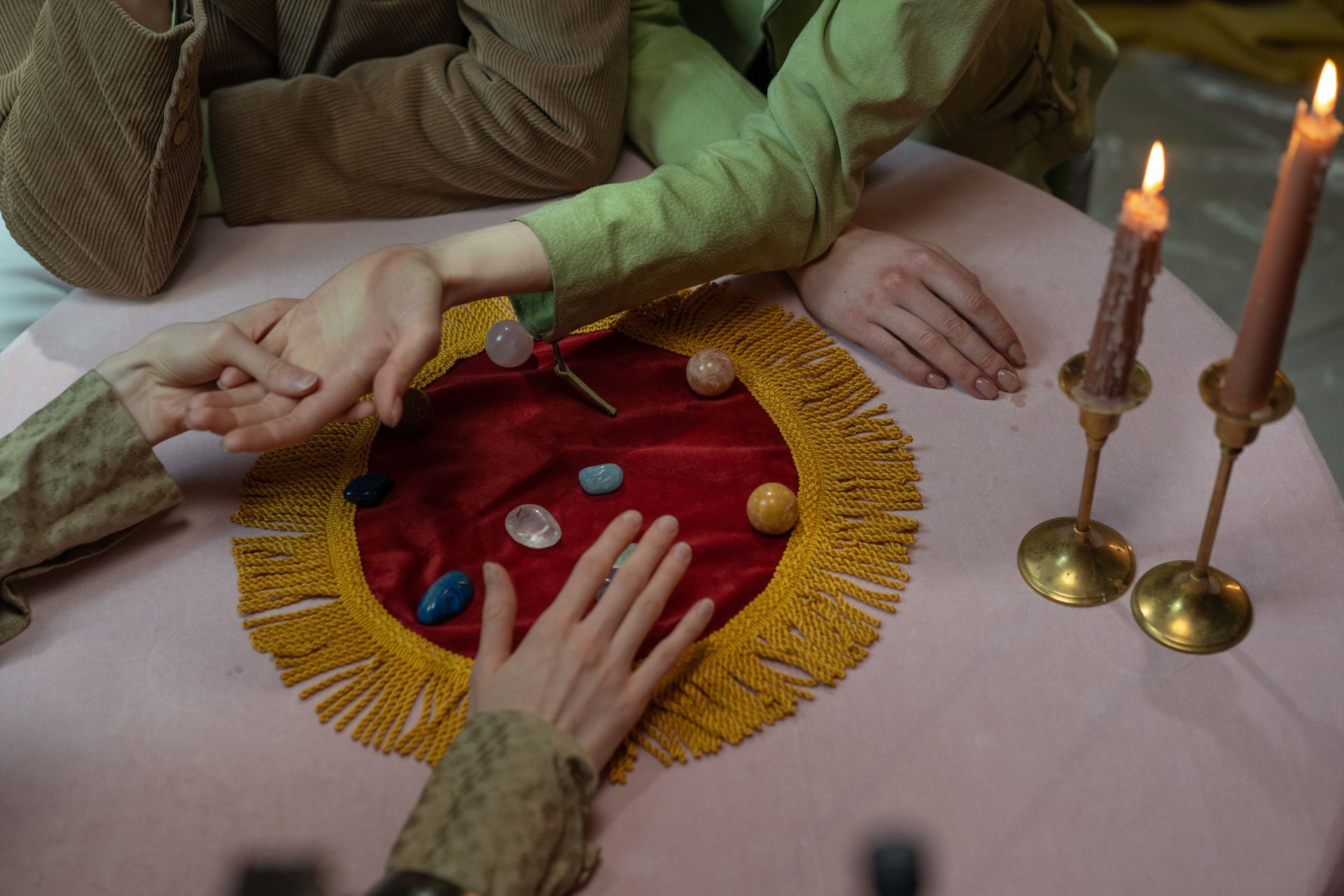
A close view of a healer's hands offering reiki energy just above a person's body
What happens during a reiki session?
A reiki session usually lasts between 45 and 90 minutes, and you stay fully clothed the whole time. You lie on a padded table, much like a massage table, or sit comfortably in a chair if lying down is hard for you. The room is often dim and quiet, sometimes with soft music, and the practitioner may begin by talking with you for a few minutes about how you're feeling and what you'd like to focus on.
Once you settle in, the practitioner moves through a set sequence of hand positions, typically starting at the head and working down toward the feet. Their hands rest gently on or just above each area for a few minutes before moving on. You don't have to do anything. There's no breathing technique to follow and nothing to perform. Most people simply close their eyes and drift.
Sensations vary from one person to the next. Common ones include warmth or coolness spreading from the practitioner's hands, a light tingling, a heaviness as the body relaxes, or waves of emotion that rise and pass. Some people fall asleep. Others feel almost nothing during the session but notice they sleep better that night. None of these responses is right or wrong, and a quiet session is just as valid as a vivid one.
Reiki can also be offered at a distance. In a distance session the practitioner sends energy to you while you rest at home, often at an agreed time, using intention and reiki symbols to bridge the gap. Skeptics and believers part ways here, but many people who can't attend in person still report the same calming effect afterward.
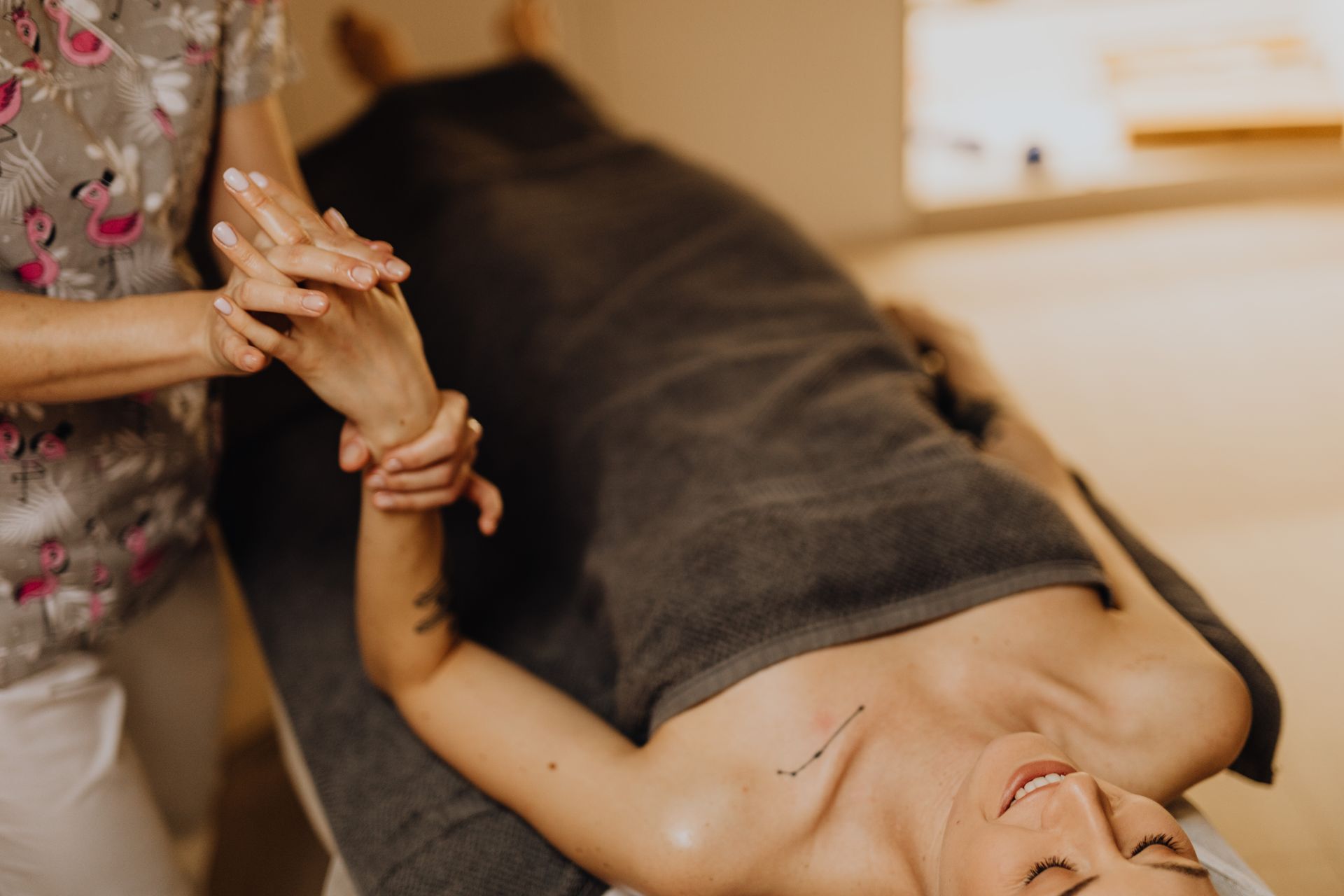
A person lying relaxed and fully clothed on a treatment table during a reiki session
What are the benefits of reiki?
The most consistently reported benefit of reiki is deep relaxation and a drop in stress. People come out of sessions describing a calm, unwound feeling, and that state has real downstream effects: easier sleep, a quieter mind, and a break from the low-grade tension many of us carry without noticing. As a complement to regular care, that kind of reset has value on its own.
Beyond relaxation, people turn to reiki for a range of reasons. Some use it to take the edge off anxiety or to sit with grief and emotional heaviness. Others find it helpful alongside medical treatment, which is why a number of hospitals and hospice programs offer reiki as comfort care to ease tension and support a sense of wellbeing during a hard stretch. Cancer centers in particular have experimented with it as a gentle, low-risk way to help patients relax.
Here's where honesty matters. Reiki is not a cure, and the evidence that it treats any specific medical condition is limited and inconclusive. Major health bodies describe it as generally safe but unproven as a treatment. The sensible way to hold it is as a complementary practice that supports relaxation and comfort, used alongside, never instead of, the care of a doctor or therapist. Taken that way, plenty of people find it a worthwhile part of their self-care, much like meditation or the practices that come with a spiritual awakening.
Reiki and the chakras
Reiki and the chakra system fit together naturally, and many practitioners use the chakras as a map for where to place their hands. The chakras are seven energy centers running from the base of the spine to the crown of the head, each tied to a different part of your physical and emotional life. When a practitioner senses a center feels blocked or sluggish, they tend to rest their hands there longer to encourage flow.
If the chakras are new to you, our guide to the seven chakras walks through each one, from the grounding root chakra to the spiritual crown. A reiki practitioner working with this framework might focus on the heart chakra for someone moving through grief, or the throat chakra for someone struggling to speak their truth. The hand positions and the chakra map line up closely, which is why the two practices are so often taught together.
Some practitioners also fold crystals into a session, placing stones on or around the body to reinforce the intention for each center. Clear quartz, amethyst, and rose quartz are common choices. If that appeals to you, our breakdown of crystal healing by zodiac sign suggests stones that suit your chart, and the two practices stack well for anyone who likes a more tactile, layered ritual.
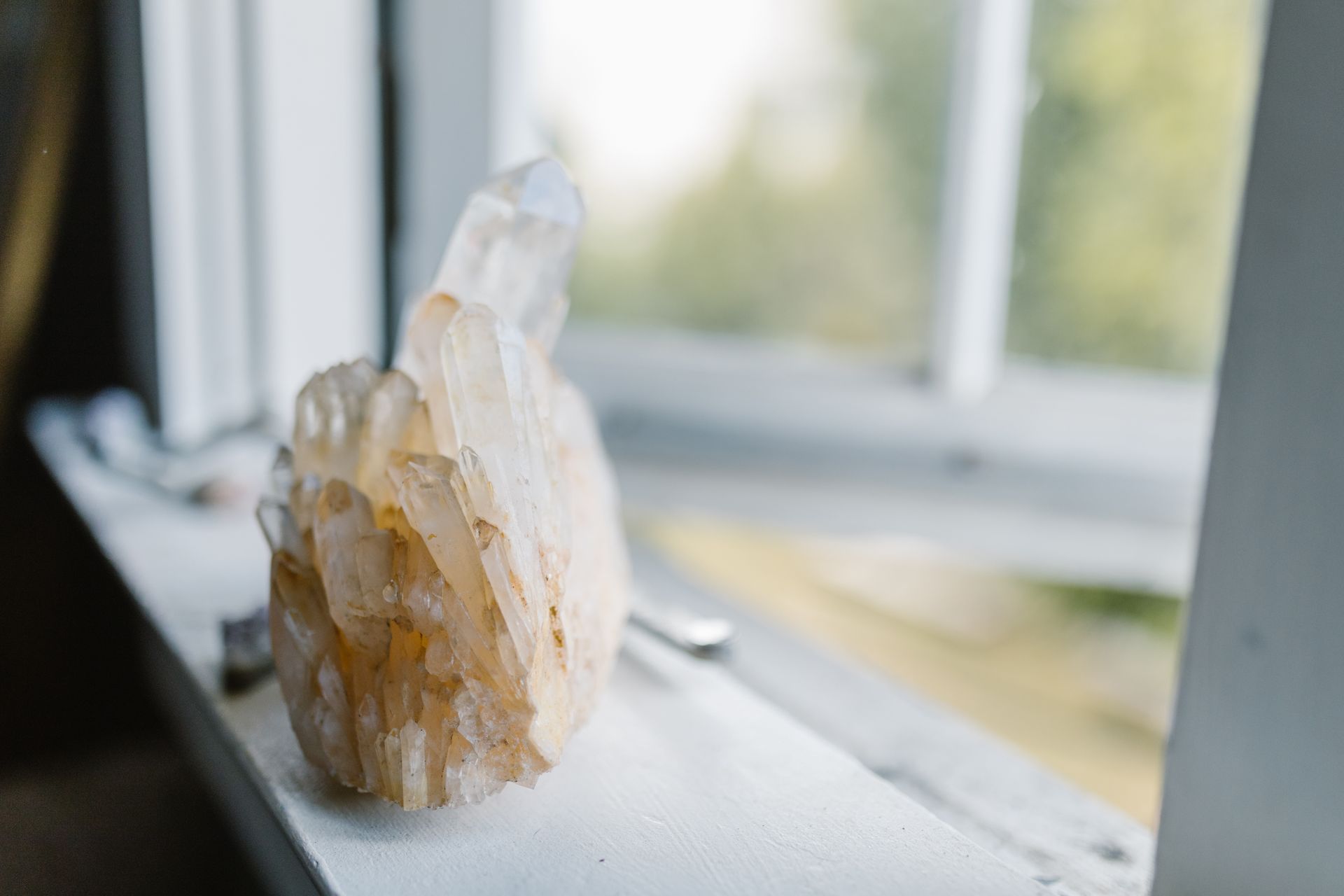
Crystals arranged along a person's body to balance the chakras during an energy healing session
The five reiki principles
Reiki isn't only a hands-on technique. It comes with a short ethical code that Mikao Usui taught as a foundation for daily life, often called the five reiki principles or precepts. Each one begins with the phrase just for today, a reminder that you only have to manage the present day rather than fix everything at once. They read like a gentle meditation:
The principles work as a daily centering practice whether or not you ever book a session. Many practitioners recite them each morning, treating them as intentions rather than rigid rules. Read on their own, they're a compact piece of mindfulness, nudging you toward calm, gratitude, and kindness one day at a time. You can pair them with setting intentions by the moon phase for a fuller daily ritual.
Reiki levels and symbols
Reiki is traditionally taught in three levels, each marked by an attunement from a reiki master. The first level, often called Reiki I or first degree, opens you as a channel and focuses on hands-on practice for yourself and others. It's the entry point, and many people stop here, perfectly content to practice on themselves and the people they love.
The second level, Reiki II, introduces the reiki symbols and the practice of distance healing. The third level, often split into a practitioner master and a teaching master, qualifies someone to attune others and pass the system on. Moving up isn't about getting better at relaxing people. It's about taking on more of the tradition and, eventually, the responsibility of teaching it.
The reiki symbols are sacred shapes used by attuned practitioners to focus energy for a specific purpose. The four classic Usui symbols are Cho Ku Rei, the power symbol used to increase or focus energy; Sei He Ki, tied to emotional and mental healing; Hon Sha Ze Sho Nen, the distance symbol used to send reiki across space and time; and Dai Ko Myo, the master symbol associated with the highest level of healing. Traditionally the symbols are kept private and shared only after attunement, which is why you won't find them drawn out in detail here.
Can you do reiki on yourself?
Yes, self-reiki is one of the most valued parts of the practice, and in the tradition it becomes available to you after a Reiki I attunement. Once attuned, you can give yourself a treatment any time by resting your hands on your own body in the same sequence a practitioner would use, moving from head to torso at your own pace. Many people make it a nightly wind-down, a few quiet minutes with their hands over the heart or belly before sleep.
Even without formal attunement, anyone can borrow the calming shape of the practice. Sit or lie somewhere comfortable, rest one hand on your heart and one on your stomach, and breathe slowly while you bring gentle attention to each area. Whether or not you call it reiki, the combination of stillness, slow breath, and warm self-touch reliably calms the nervous system. It pairs naturally with meditation and makes an easy daily ritual.
If you want to go deeper, the path is to find a teacher and take a Reiki I class, which usually runs a day or a weekend and includes your first attunement. From there, self-reiki becomes a tool you carry for life, available whenever you need to settle yourself. For anyone drawn to energy work more broadly, it sits comfortably beside intuitive practices like reading your psychic abilities and clair senses.
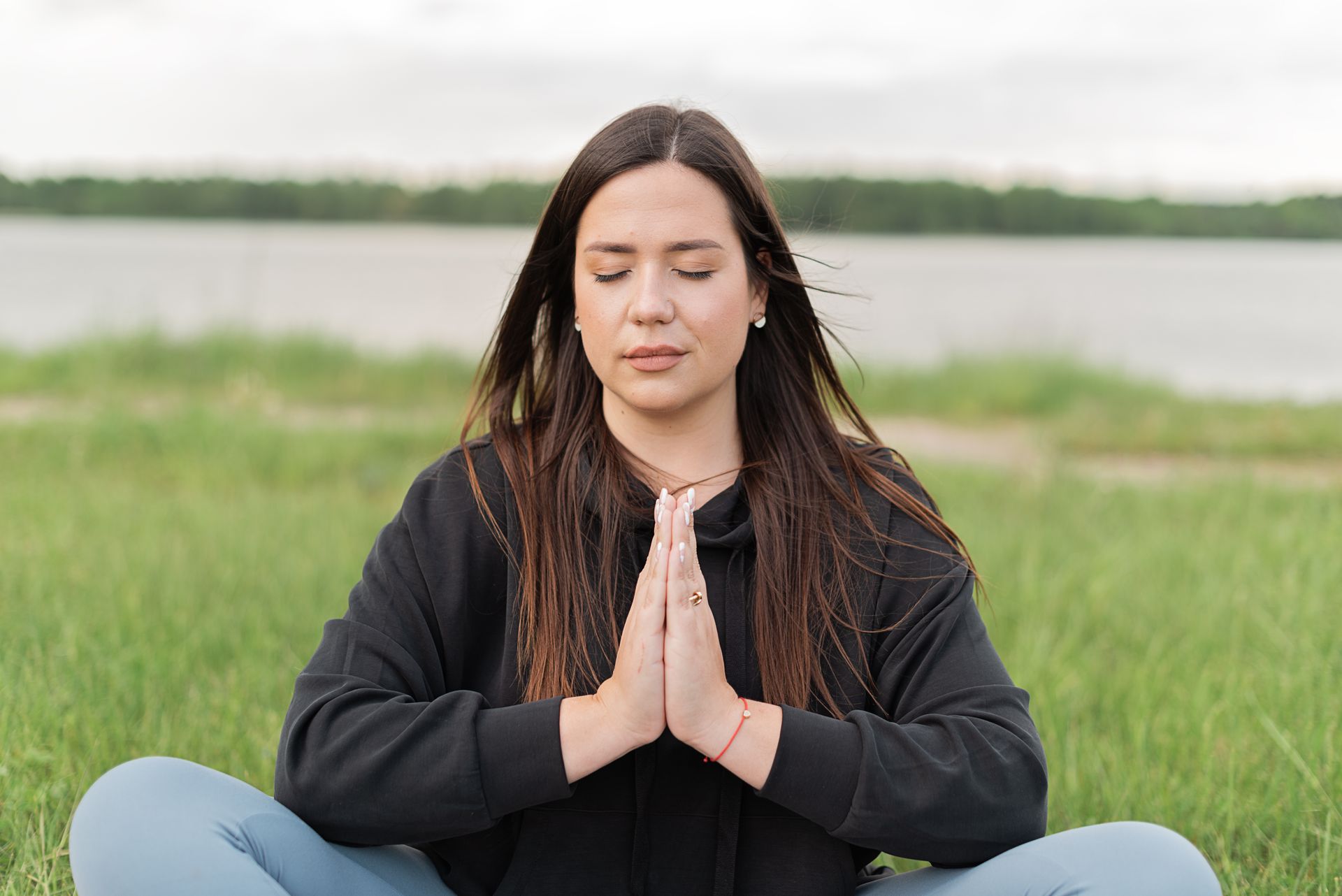
A person sitting calmly with hands resting over the heart during a self-reiki practice
Does reiki actually work?
Whether reiki works depends on what you're asking it to do. As a way to relax deeply, lower stress, and feel cared for, plenty of people find it genuinely effective, and those are real, valuable outcomes. As a treatment for a specific illness, the honest answer is that high-quality research hasn't shown reiki to outperform a placebo, and reviews of the evidence describe it as inconclusive.
That doesn't make the calm you feel fake. Several ordinary, well-understood factors are at work in a session: deep rest, slow breathing, the soothing effect of gentle touch, and the simple experience of someone giving you their full, unhurried attention. Those things measurably ease stress, and stress sits underneath a lot of how we feel day to day. Reiki gathers them into a single quiet ritual, which is a real benefit even without a mysterious energy field.
The safe and sensible approach is to treat reiki as complementary care. It's non-invasive, it has no known harmful side effects, and it can sit alongside conventional treatment without interfering. Just don't let it replace medical or mental health care, and be wary of any practitioner who promises to cure a serious condition. Held with that clear head, reiki can be a comforting, grounding part of a broader self-care practice.
Frequently asked questions
Is reiki safe?
Reiki is widely considered safe because it's non-invasive, involves only light touch, and has no known harmful side effects. The main caution is to use it as a complement to medical care rather than a replacement. Be skeptical of anyone who claims reiki alone can cure a serious illness.
How long does a reiki session last?
A typical reiki session lasts 45 to 90 minutes, with 60 minutes being the most common. That includes a few minutes to talk beforehand, the hands-on portion, and a short time to come back to yourself afterward. First sessions sometimes run a little longer to cover what to expect.
Do you have to believe in reiki for it to work?
No, you don't need to believe in reiki to feel relaxed during a session, since much of the effect comes from rest, calm breathing, and gentle touch. Many skeptics still report feeling calmer afterward. An open, neutral mindset is all that's really asked of you.
How many reiki sessions do you need?
There's no set number, since it depends on your goals. Some people go once for a reset, while others book a regular session weekly or monthly as part of their self-care. For a specific concern, a few sessions close together is a common starting point, after which you can space them out.
Can reiki be done from a distance?
Yes, distance reiki is a standard part of the practice from Reiki II onward. The practitioner sends energy to you using intention and symbols while you rest wherever you are, often at an agreed time. People who try it frequently report the same calming effect as an in-person session.
Bringing it together
Reiki is a gentle, low-risk practice that gathers rest, breath, and caring touch into one quiet ritual. Take it as complementary care rather than a cure, and it can be a genuinely soothing part of how you look after yourself, whether you see a practitioner or learn simple self-reiki at home.
Curious how energy work fits the rest of your spiritual blueprint? Generate your free natal chart to see which placements shape your sensitivity, pull a tarot reading when you need a moment of reflection, or explore your compatibility with someone whose energy you want to understand better.