
Synchronicity: Meaning, Signs, and What It's Telling You
Synchronicity is a meaningful coincidence, two or more events that line up in a way that feels significant even though there's no obvious cause linking them. You think of an old friend and they text an hour later. You keep seeing the same number everywhere. A book falls open to the exact line you needed to read. Nothing made these events connect, yet the timing feels pointed, personal, almost arranged. That felt sense of meaning is the whole point of synchronicity.
The word comes from psychiatrist Carl Jung, who used it to describe coincidences that carry weight beyond chance. This guide breaks down what synchronicity actually means, how to tell it apart from ordinary coincidence, the most common ways it shows up, why it happens (both the spiritual and the psychological view), and how to notice more of it without forcing meaning where there isn't any.
What You'll Learn
What Is Synchronicity?
Synchronicity is the experience of two events connecting through meaning rather than cause. Carl Jung, the Swiss psychiatrist who coined the term in the 1920s and 30s, called it an "acausal connecting principle," his way of saying that some events link up meaningfully without one causing the other. He defined it as a meaningful coincidence where something more than pure probability seems to be at work.
Jung developed the idea alongside the physicist Wolfgang Pauli, and the two of them were fascinated by the possibility that the mind and the physical world might mirror each other in ways science couldn't yet explain. Jung's most famous example involved a patient stuck in an overly rational worldview. She was describing a dream about a golden scarab when Jung heard a tapping at the window. He opened it, caught the insect flying in, a rose-chafer beetle, the closest local match to a scarab, and handed it to her. The timing cracked her defenses open. That story captures what makes a synchronicity: the outer event and the inner state land at the same moment, and the overlap feels charged with meaning.
Synchronicity isn't about the universe breaking the laws of physics. It's about meaning. The events themselves might be perfectly explainable on their own. What makes them synchronistic is that they arrive together in a way that speaks to you.
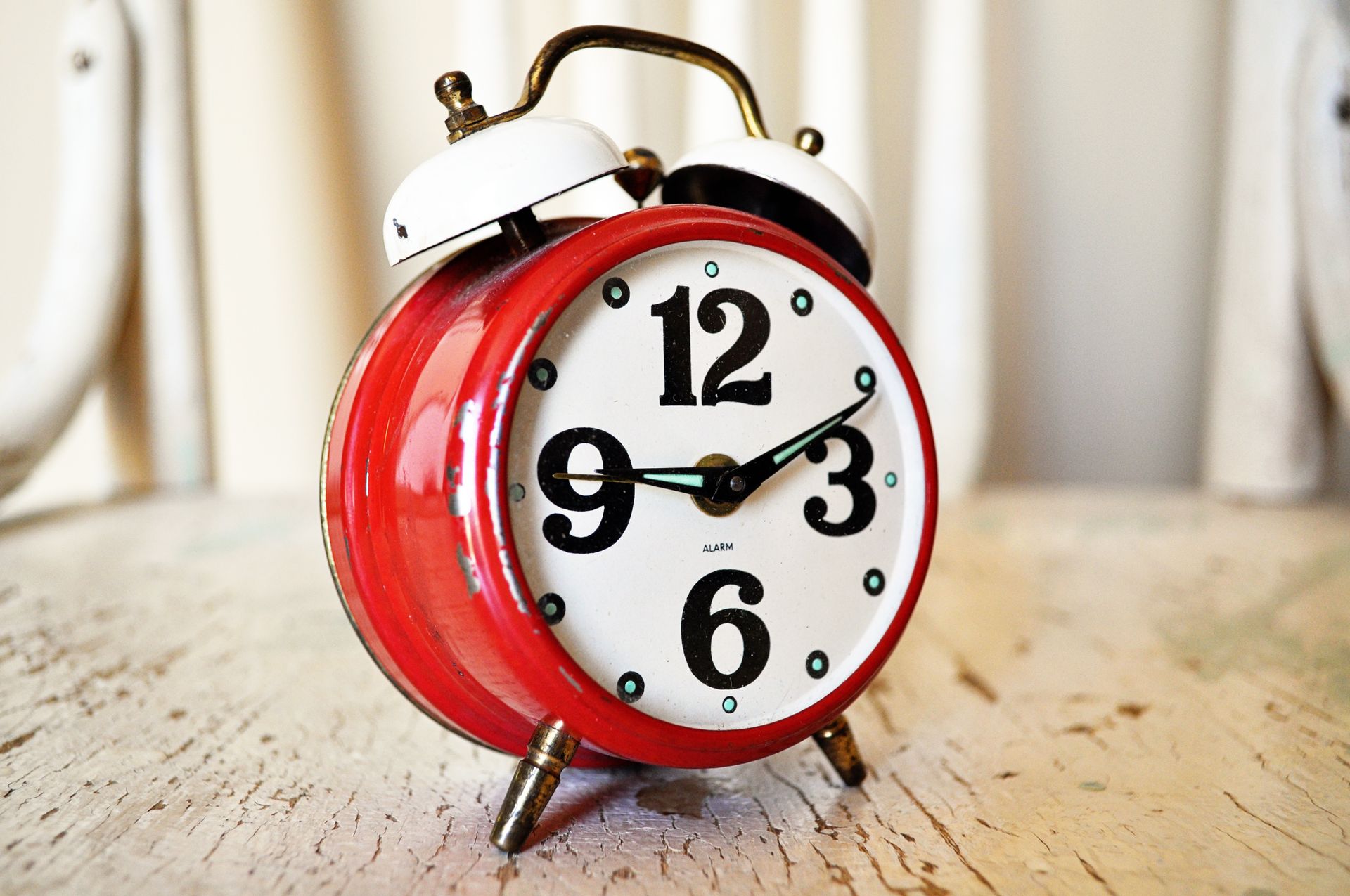
A clock face showing 11:11, one of the most common synchronicity signs people notice
Synchronicity vs Coincidence
Every synchronicity is a coincidence, but not every coincidence is a synchronicity. The difference is meaning. A plain coincidence is two unrelated events happening to overlap, and you shrug and move on. A synchronicity is a coincidence that carries a personal charge, one that seems to answer a question you were sitting with, confirm a decision, or point you somewhere.
Think of it this way. If you buy a red car and suddenly notice red cars everywhere, that's a coincidence with a tidy explanation: your attention changed, not the traffic. But if you're agonizing over whether to leave your job, and that same week three separate strangers bring up the exact field you've been dreaming of moving into, that lands differently. The content matches your inner question. That relevance is the line between coincidence and synchronicity.
None of this means synchronicities are provably messages from outside you. Plenty of people experience the same events and read them as pure chance. The meaningful-coincidence framing is an interpretation, a way of paying attention, not a proven mechanism. Holding it loosely is part of using it well.
Common Examples of Synchronicity
Synchronicity tends to show up in a handful of recognizable patterns. See how many you know:
The common thread is timing plus relevance. The event isn't rare on its own. What stands out is that it lands right when its meaning fits your life.

A figure walking a misty forest path, evoking the sense of being guided by synchronicity toward the right direction
Why Do Synchronicities Happen?
There are two honest answers, and you don't have to pick just one.
The spiritual view says synchronicities are the universe, your higher self, spirit guides, or a deeper intelligence nudging you toward alignment. In this reading, meaningful coincidences cluster when you're on the right track, going through a spiritual awakening, or at a turning point that needs a sign. Many people notice a jump in synchronicities during big transitions, and they treat that as confirmation they're being guided.
The psychological view is just as interesting, and it doesn't cancel the first. Your brain is a world-class pattern detector. A filter in your brainstem called the reticular activating system decides what reaches your conscious attention, so once something matters to you, you start noticing it everywhere. That's the frequency illusion, sometimes called the Baader-Meinhof phenomenon. Layer on confirmation bias, where you remember the hits and forget the misses, and apophenia, the human tendency to see meaningful patterns in random data, and you have a solid explanation for why coincidences feel so pointed.
Here's the honest part. Science can explain the mechanism without deciding the meaning. Even if your brain is doing the noticing, the question of what to do with what you notice is still yours. A synchronicity can be both a quirk of attention and a genuinely useful prompt to reflect. You lose nothing by treating a meaningful nudge as meaningful, as long as you stay grounded.
What Synchronicity Might Be Telling You
When a synchronicity grabs you, it's usually pointing at something you already half-know. Rather than delivering a fixed message, it tends to work like a spotlight on your own inner state. A few common readings:
The key is to read synchronicity as a conversation starter, not a command. Ask what the timing stirs up in you, what decision it touches, what you were thinking about the second it happened. The meaning lives in your response, not in the event alone. If you want a structured way to explore that response, your natal chart can show where you're most likely to seek signs and how you process intuition.

A person meditating calmly, staying present and open to noticing synchronicity and meaningful coincidences
Synchronicity, Angel Numbers, and Repeating Signs
The most common gateway into synchronicity is repeating numbers. If you keep catching 11:11, 222, or 444, you're noticing a synchronistic pattern, and many people read those sequences as angel numbers carrying specific guidance. Whether you see the numbers as messages from angels, nudges from your subconscious, or plain attention at work, the practice is the same: notice the pattern, note what you were thinking about, and let the timing prompt reflection.
Repeating numbers make a good training ground because they're concrete. You either saw 333 or you didn't. Start a running note on your phone. Each time a number, symbol, or coincidence stops you, jot the time, what you were doing, and what was on your mind. Over a few weeks you'll start to see whether your synchronicities cluster around certain themes, people, or decisions. That log is where vague "signs" turn into something you can actually learn from, and it keeps you honest about how often the pattern really holds.
How to Recognize and Attract More Synchronicity
You can't force synchronicity, but you can make yourself more available to it. The people who report the most meaningful coincidences tend to share a few habits:
None of this guarantees a flood of coincidences. It just clears the static so you notice the ones that were already there.
An open journal and pen ready to become a synchronicity journal for tracking meaningful coincidences over time
Are Synchronicities Always Meaningful?
No, and this is where discernment matters. Not every coincidence is a sign, and treating every overlap as a cosmic message is a fast way to lose your footing. If you go looking hard enough, you'll find a "sign" for whatever you already wanted to do, which makes synchronicity a poor substitute for actual judgment.
Watch for a few traps. Reading signs to justify a decision you know is unwise. Outsourcing every choice to coincidences instead of thinking it through. Spiraling into anxiety over a number you saw once. Synchronicity is meant to add a layer of meaning and reflection, not to replace your reasoning or your responsibility. A healthy relationship with it looks like curiosity, not dependence.
Use synchronicity the way you'd use a good question from a friend: let it make you think, weigh it against what you know, and keep the final call yours. Held that way, meaningful coincidences become a gentle, grounding practice rather than a source of superstition.
Frequently Asked Questions
What is an example of synchronicity?
A classic example is thinking about someone you haven't spoken to in years, then getting a call or text from them the same day. There's no cause linking your thought to their message, but the timing feels meaningful. Repeating numbers like 11:11 and chance meetings that change your path are other common examples.
What's the difference between synchronicity and coincidence?
A coincidence is any two events overlapping by chance. A synchronicity is a coincidence that carries personal meaning, one that seems to answer a question or match your inner state at that moment. The events may be ordinary on their own. What makes it synchronicity is the relevance and timing.
Is synchronicity real?
The experience is real and extremely common. Whether it's guidance from something beyond you or a product of how your brain filters attention is a matter of interpretation, not settled fact. Psychology explains the mechanism through pattern recognition and attention, while spiritual traditions read the same events as meaningful signs. Both can be true at once.
Why am I suddenly seeing so many synchronicities?
People often notice a spike during major transitions, emotional intensity, or periods of spiritual growth, partly because those states sharpen your attention and clarify what you care about. When something matters deeply, your mind starts flagging anything related to it, so meaningful coincidences seem to multiply.
What should I do when I experience a synchronicity?
Pause and note what you were thinking about the moment it happened, then ask what it stirs up rather than assuming a fixed message. Treat it as a prompt for reflection, not a command. Journaling the coincidence helps you spot patterns over time without forcing meaning onto every event.
Bringing It All Together
Synchronicity is less about the universe rearranging reality and more about the meaning you find when events line up at the right moment. Whether you read those moments as guidance or as your own attention at work, they're worth noticing, because they tend to point at what you already care about and the choices you're ready to make. Stay curious, keep a light grip, and let the meaningful coincidences prompt reflection rather than run the show.
Ready to explore the deeper patterns in your own life? Start with your free natal chart to see how you're wired to seek meaning, pull a tarot reading when a synchronicity leaves you with a question, or check your compatibility with someone a chance meeting brought into your life.