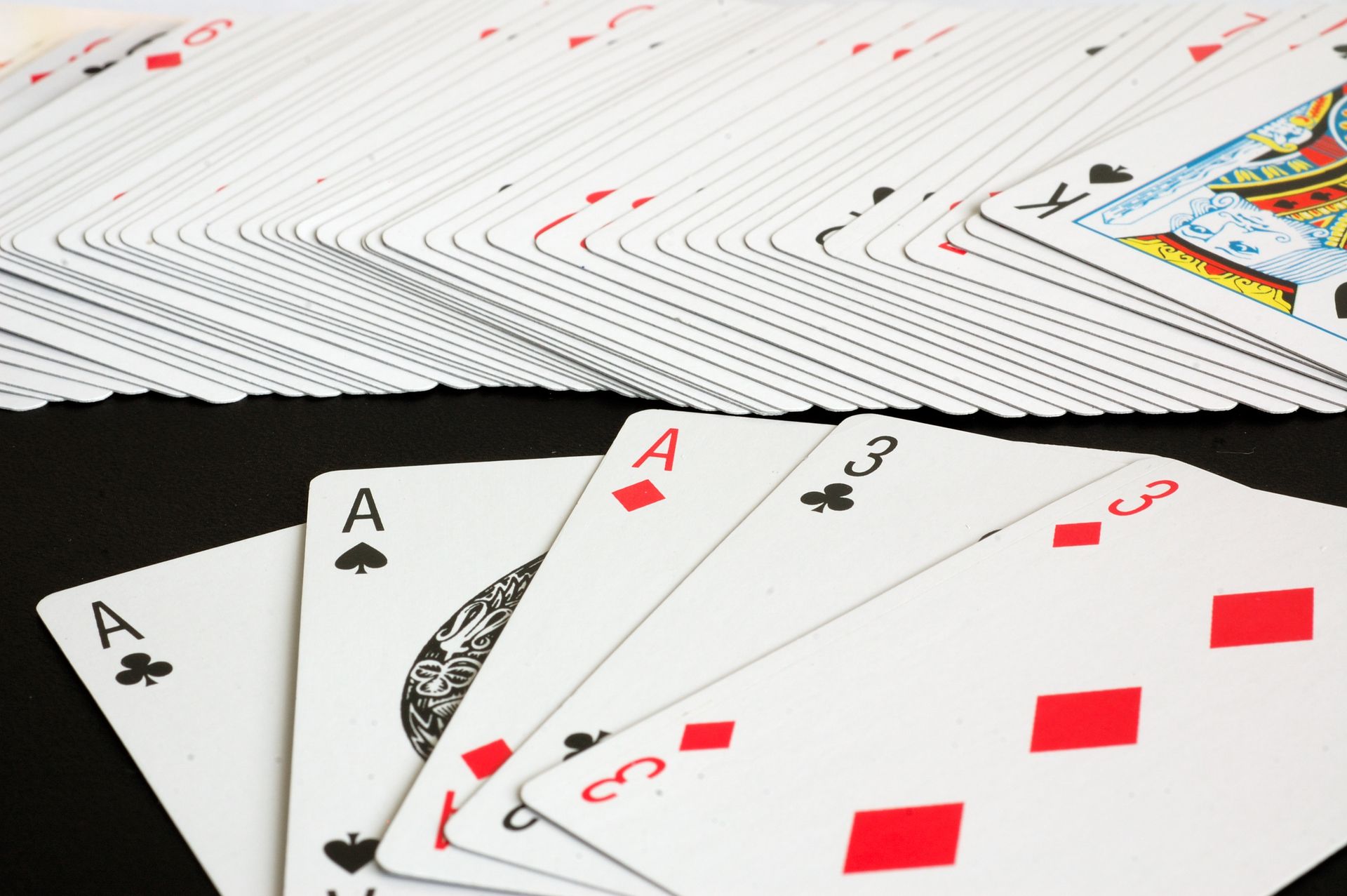
Cartomancy: A Beginner's Guide to Reading Ordinary Playing Cards
Cartomancy is the art of telling fortunes with a standard deck of playing cards, the same 52 cards you'd use for poker or solitaire. No special deck, no expensive purchase, no waiting for the right tarot art to speak to you. You shuffle, you lay out a few cards, and you read the suits and numbers as a map of what's happening in your life and where it's heading. People have been doing this for at least 600 years, long before mass-market tarot existed, and it still works on a kitchen table with a dollar-store deck tonight.
If you've ever wanted to start divination but felt boxed out by the cost or the sheer 78-card complexity of tarot, cartomancy is the doorway. The four suits map cleanly onto the four areas of an ordinary life: love, money, action, and conflict. The numbers tell you how far along a situation has traveled. Put those two layers together and you can read a spread within your first week. This guide covers everything a beginner needs: what each suit means, how the numbers and court cards work, the famous cards worth memorizing, a step-by-step first reading, and a few simple spreads you can use right away.
What You'll Learn
What Cartomancy Actually Is
Cartomancy is divination using playing cards. You ask a question, shuffle the deck while you hold that question in mind, and lay out a set number of cards in a pattern called a spread. Each card carries a meaning based on its suit and its number, and the positions in the spread give those meanings context, such as the past, the present, or the likely outcome.
The practice took shape in 14th and 15th century Europe as playing cards spread across the continent, and it was wildly popular in the 18th and 19th centuries when professional card readers worked salons and parlors. The most famous of them, Marie Anne Lenormand, became so influential that an entire fortune-telling system now carries her name. If you want the close cousin of cartomancy with its own dedicated 36-card deck, the Lenormand cards guide is the natural next step.
What makes cartomancy beginner-friendly is that the system is small. Tarot asks you to learn 78 distinct images. A standard deck has 52 cards built from just four suits and thirteen values, so once you understand the four suit themes and the arc of the numbers one through ten, you can interpret any card you turn over.
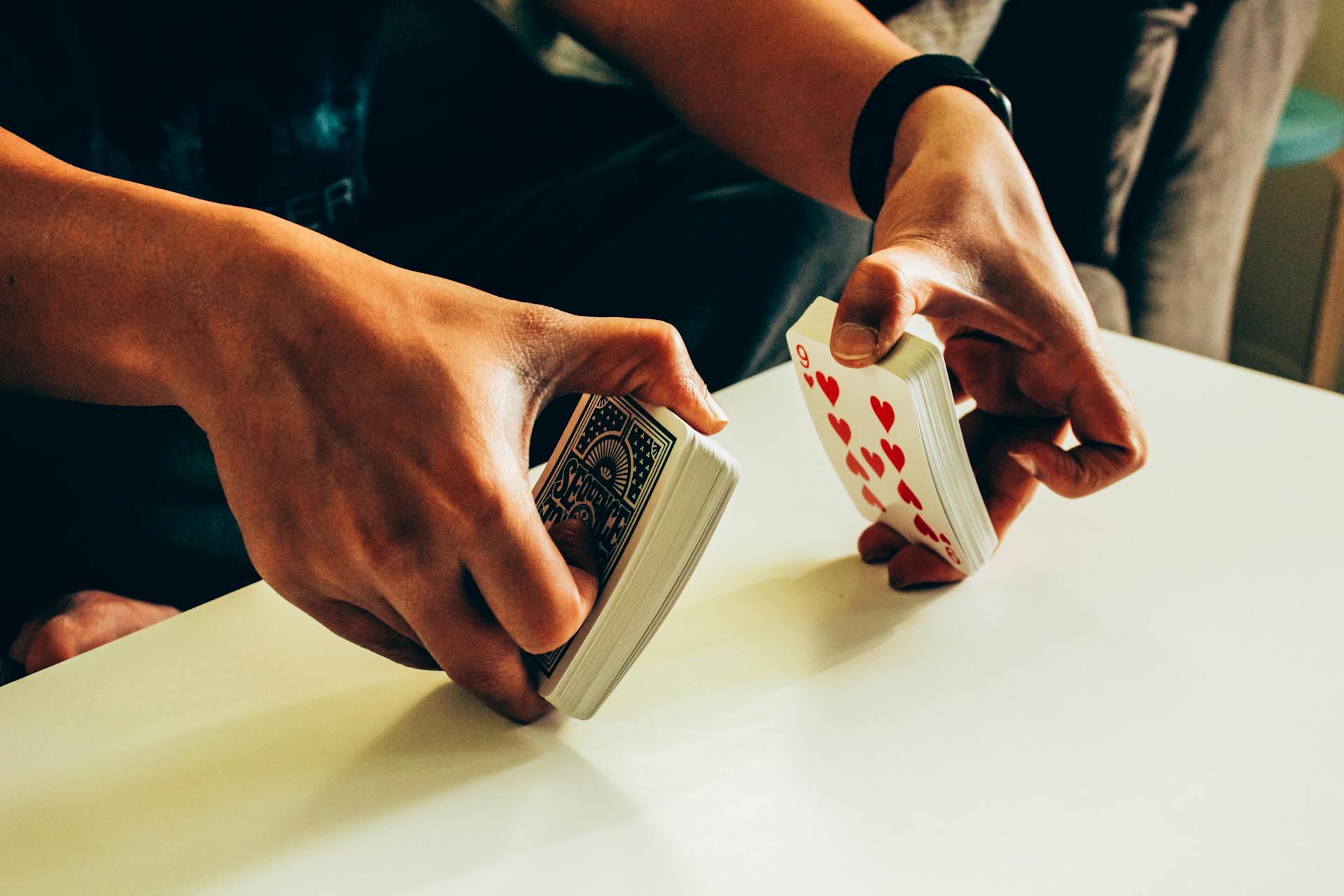
Hands shuffling a deck of ordinary playing cards before laying out a cartomancy spread
Cartomancy vs Tarot: What's the Difference?
The two systems are relatives, not rivals. A tarot deck is essentially an expanded playing card deck. Tarot's four suits, Cups, Pentacles, Swords, and Wands, line up almost exactly with Hearts, Diamonds, Spades, and Clubs. Tarot just adds a fourth court card per suit (the Knight) and a separate 22-card Major Arcana for the big spiritual themes.
That means cartomancy and tarot speak the same underlying language. If you already know the suit elements from the tarot and astrology correspondences, you've got a head start. The practical difference is scope and feel. Tarot, with its rich imagery, tends to read deeper and more psychological, which is why the beginner tarot guide leans so hard on what each picture shows you. Cartomancy is leaner, faster, and more blunt, which many readers love for quick yes-or-no questions and day-to-day guidance.
Neither is better. Cartomancy is the better starting point if you want to read without memorizing illustrations, and plenty of seasoned tarot readers keep a playing deck around for fast pulls.
What Each Suit Means
The four suits are the backbone of cartomancy. Each one rules a domain of life and carries an emotional temperature. Memorize these four ideas and you're already half-fluent.
Hearts rule love, emotion, family, friendship, and home. When hearts dominate a spread, the reading is about relationships and feelings. Hearts are warm, connective, and generally the most welcome suit to see.
Diamonds rule money, work, material resources, and practical matters. Diamonds speak to your finances, your job, property, and anything you can count or hold. They aren't cold, but they're concerned with the tangible world.
Clubs rule action, ambition, growth, communication, and social life. Clubs are the fire of the deck, the suit of effort, projects, networking, and momentum. Lots of clubs means a busy, driven, productive stretch.
Spades rule conflict, challenge, change, and hard truths. Spades carry the heaviest weight, often pointing to obstacles, endings, loss, or difficult decisions. They aren't evil, they're honest, and they frequently mark the exact problem you need to face.
A quick read of any spread starts with which suit shows up most. A pile of hearts and a single spade tells a very different story than four spades and one diamond.
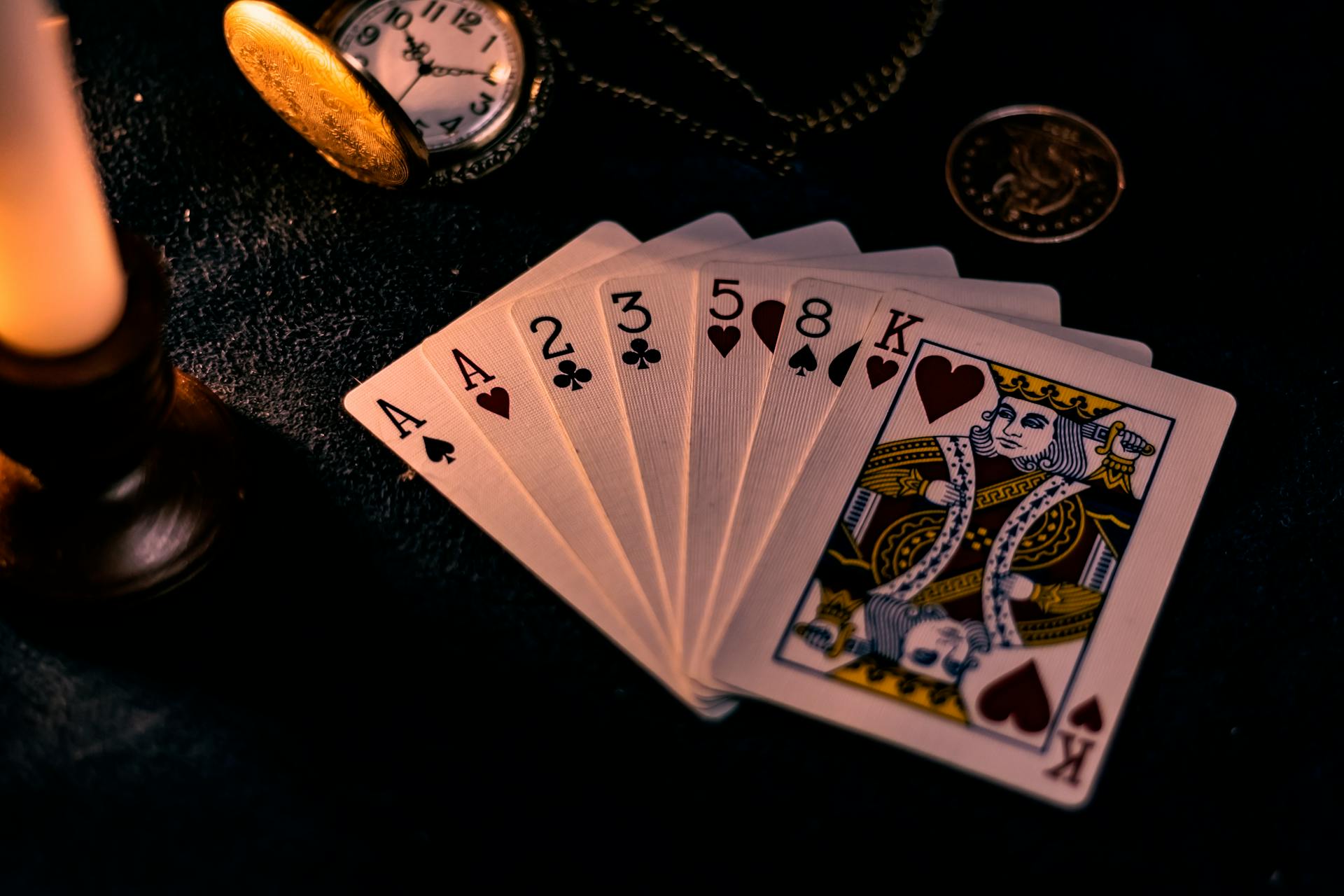
Vintage playing cards spread across a dark surface, suits and numbers visible for a cartomancy reading
What the Numbers and Court Cards Mean
Suits tell you the subject. Numbers tell you the stage. The values one through ten trace a story from beginning to completion, and the meaning is consistent across all four suits.
The court cards usually represent people, or the qualities those people bring. Jacks are young people, messengers, or fresh and slightly immature energy. Queens are mature, receptive, nurturing figures, traditionally women but really anyone who holds that role. Kings are mature, authoritative figures, traditionally men, who carry leadership and command. Read a court card's suit to know what kind of person it is: a King of Hearts is a warm, devoted partner figure, while a Queen of Spades can be a sharp, guarded, or grieving woman.
Famous Cards Every Reader Should Know
A handful of cards carry strong traditional meanings that cartomancers have passed down for generations. These are worth memorizing first.
The Nine of Hearts is the classic wish card. When it appears, especially near the center of a spread, it signals that your heart's desire is favored. The Ace of Hearts points to new love, a happy home, or an emotional fresh start. The Ten of Hearts is one of the luckiest cards in the deck, promising joy, success, and good news that overrides nearby negative cards.
On the heavier side, the Ace of Spades has long carried a reputation as a card of major change, endings, or a turning point, and old traditions tied it to fate and even death, though most modern readers treat it as transformation rather than literal doom. The Nine of Spades is the worry card, marking anxiety, delays, or loss, and the Seven of Diamonds often flags a money problem that needs attention.
Don't let a single dramatic card hijack a reading. Context is everything, and a worry card surrounded by hearts and a wish card reads very differently than the same card buried in spades.
How to Do Your First Reading
You can read tonight. Here's the simplest reliable method.
First, decide whether to use the full 52 cards or a stripped deck. Many traditional cartomancers remove the twos through sixes and read with a 32-card piquet deck, which sharpens the meanings. Beginners do fine with all 52, so start there.
Second, pick a clear question. Open questions like "What do I need to know about my career right now?" work better than questions you've already decided the answer to. Hold the question in your mind while you shuffle, for as long as it takes to feel ready.
Third, cut the deck toward yourself with your left hand, then lay out your spread from the top of the deck. Turn the cards face up in their positions.
Fourth, read in layers. Note the dominant suit for the overall theme, then read each card by its suit and number, then read the cards as a connected sentence. Trust the first instinct that surfaces. Cartomancy rewards intuition as much as memorized meanings, the same way pendulum divination trains you to listen to the quiet first answer.
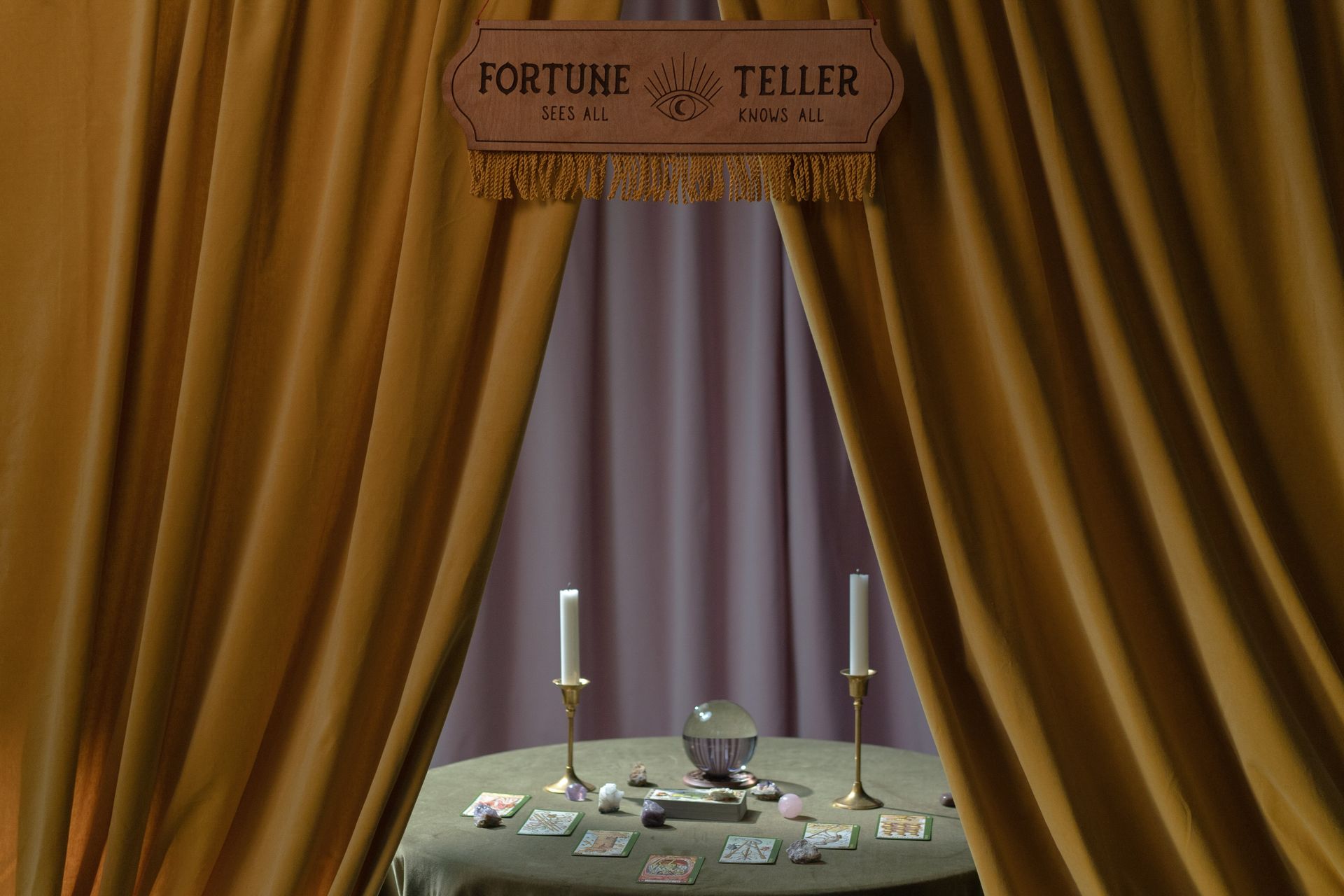
A person doing a card reading at a candlelit table, practicing cartomancy in a quiet setting
Three Beginner Cartomancy Spreads
The three-card spread. The workhorse of cartomancy. Lay three cards left to right and read them as past, present, and future, or as situation, action, and outcome. It's fast, flexible, and enough for a daily check-in.
The wish spread. Ask your specific wish, then deal five cards in a row. Read them as the current situation, what helps, what blocks, the advice, and the likely result. If the Nine of Hearts turns up anywhere in the line, take it as a strong yes.
The nine-card grid. For a fuller picture, deal nine cards in a three-by-three grid. The center card is the heart of the matter, the top row shows what's coming or what's on your mind, the bottom row shows the roots or the past, and the corners and sides flesh out the influences. Read the suits across the whole grid first, then zoom into the center.
Start with three cards until the suit and number meanings feel automatic, then graduate to larger layouts.
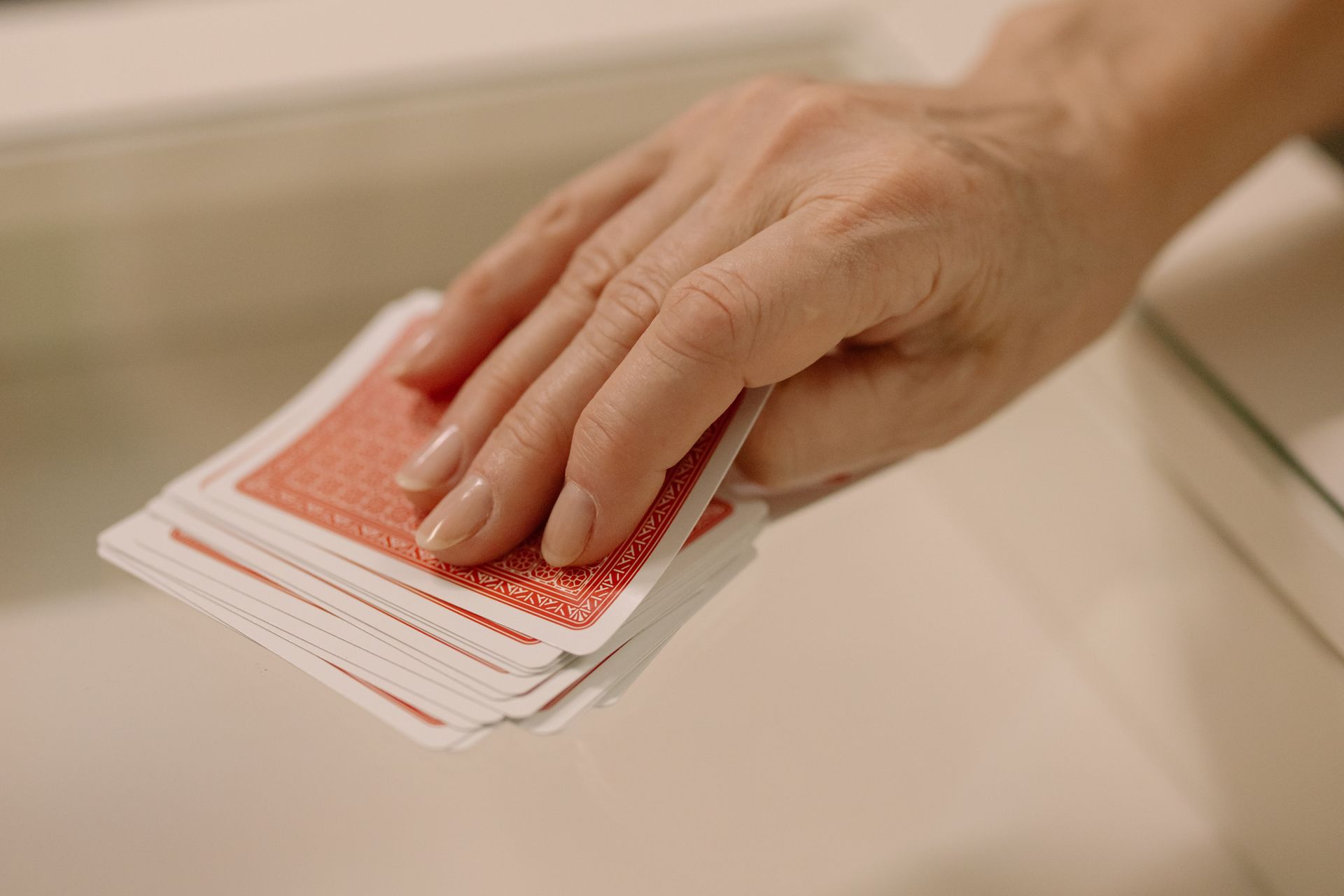
A neat deck of playing cards resting on a wooden table ready for a cartomancy spread
How to Read Card Combinations
The real skill in cartomancy is reading cards together, not in isolation. Two cards side by side modify each other, and a string of cards tells a story.
Start with suit clusters. Three or more cards of one suit concentrate the reading on that life area, so four diamonds in a five-card spread make it overwhelmingly a money reading no matter what else appears. Next, watch for repeated numbers. A pair of aces hints at a fresh start in two areas at once, a trio of tens points to several cycles completing together, and multiple court cards mean other people are heavily involved in your situation.
Then read pairs as phrases. The Ace of Hearts beside the Ten of Diamonds suggests a new relationship that brings financial security. The Nine of Spades beside the Three of Clubs suggests worry caused by a work project or a social conflict. You're translating the deck into sentences, the same combinatory logic that powers a Lenormand reading. The more you practice pairing cards, the faster a spread snaps into a clear narrative.
Caring for Your Deck
A working deck becomes personal. Keep it for divination only, separate from the deck you play games with, so its energy stays tied to your readings. Store it somewhere clean and dry, ideally wrapped in a cloth or kept in a small box.
Many readers cleanse a new or heavily used deck the same way they'd reset any divination tool, by knocking on the stack to clear the cards, passing them through incense smoke, or leaving them overnight under the moon. If those rituals appeal to you, the methods in how to cleanse and charge tarot cards transfer directly to a playing deck. Most important is simple repetition. The more you shuffle and read with one specific deck, the more fluent and consistent your readings become.
Frequently Asked Questions
Can you really tell fortunes with regular playing cards?
Yes, cartomancy is the centuries-old practice of divining with an ordinary 52-card deck. Each suit and number carries a traditional meaning, and reading them in a spread gives insight into love, money, action, and challenges. It works the same way tarot does, just with a simpler deck.
What do the four suits mean in cartomancy?
Hearts rule love, emotion, and home. Diamonds rule money, work, and material matters. Clubs rule action, ambition, and social life. Spades rule conflict, change, and hard truths. The suit that appears most often in a spread tells you the main theme of the reading.
Is cartomancy easier than tarot for beginners?
Many beginners find it easier because a playing deck has only 52 cards built from four suits and thirteen values, with no separate Major Arcana or illustrated scenes to memorize. Once you learn the suit themes and the number meanings, you can read any card you draw.
What is the wish card in cartomancy?
The Nine of Hearts is traditionally called the wish card. When it appears in a spread, especially in a central or prominent position, it signals that your heart's desire is favored and a hoped-for outcome is likely to come true.
Do I need a special deck to start?
No. Any standard 52-card playing deck works. Some readers remove the twos through sixes to read with a sharper 32-card deck, but beginners can start with a full deck straight out of the box tonight.
Cartomancy proves you don't need anything fancy to start reading the cards. Learn the four suits, follow the numbers from ace to ten, and practice pairing cards into sentences, and an ordinary deck becomes a genuine tool for reflection and guidance. When you're ready to go deeper, draw a full tarot spread for a richer reading, or map the timing of your questions against your natal chart to see where the bigger cycles line up.