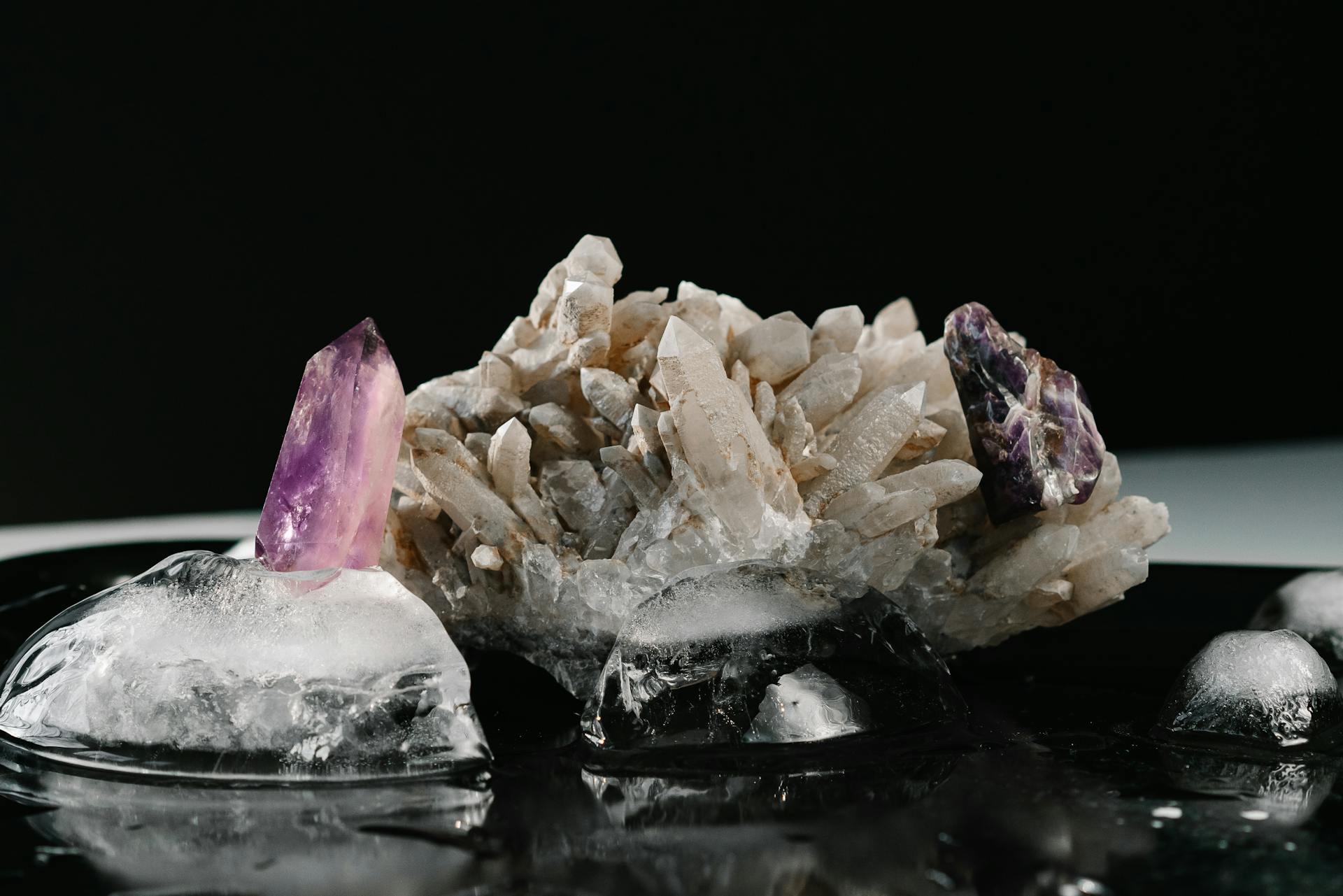
Hematite Meaning: Healing Properties, Uses, and How to Work With It
Hematite is the stone people reach for when they feel scattered, anxious, or like they're floating three feet above their own life. Its meaning centers on grounding, protection, and focus, the sense of being planted firmly back in your body and your day. That heavy, cool, metallic weight in your hand is part of the appeal, because hematite is one of the densest common crystals and it works like an anchor, pulling frantic energy down and out through the soles of your feet. If you've ever held a hematite bead and felt your shoulders drop, that's the whole reputation in a sentence.
This guide covers what hematite means, what it's actually made of, its traditional healing properties, and how it works with the root chakra and the zodiac. It also tackles the three questions that trip people up most with this stone: is magnetic hematite real, can hematite get wet, and why do hematite rings keep breaking. Let's start with the meaning.
What You'll Learn
Dark, metallic polished grounding stones on a shadowed surface, representing hematite meaning and healing properties
What Does Hematite Mean?
Hematite means grounding. Of all the crystals, it's the one most tied to being present, stable, and rooted, the antidote to a mind that races and a body that never quite lands. Practitioners call it a stone of protection and focus, and its heavy, iron-rich nature is the reason. Where an airy stone like amethyst lifts you up, hematite brings you down in the best way, settling anxious energy and helping you feel safe in your own skin.
There's a warrior side to hematite's meaning too. It's linked to courage, willpower, and strength under pressure, the resolve to hold your ground when life pushes. That's no accident, since hematite is an iron stone and iron has been the metal of tools, armor, and blades for thousands of years. Put those two threads together, grounding and strength, and you get hematite's core message: stay rooted, stay protected, and meet the day with a clear, steady mind.
What Is Hematite Made Of?
Hematite is iron oxide, the same compound as rust, and it's the single most important ore of iron on Earth. Its name comes from the Greek word haima, meaning blood, and that's one of the best facts in mineralogy. However dark and silvery a polished hematite looks, when you scrape it across unglazed porcelain it leaves a streak of rusty, blood-red powder. Ancient people ground that powder into red ochre and used it for cave paintings, burials, and war paint, so hematite has been coloring human life for tens of thousands of years.
Physically, hematite is dense, opaque, and metallic, with a mirror-bright sheen when polished and a hardness of 5.5 to 6.5 on the Mohs scale, harder than a knife blade but still breakable. It forms in banded iron deposits laid down in ancient seas, as well as in volcanic and hydrothermal settings, sometimes growing into rounded "kidney ore" lumps or sparkly, mica-like sheets called specular hematite. Brazil's Minas Gerais region is one of the great sources, along with England's Cumbria and deposits across the United States. If hematite is one of your first stones, our healing crystals for beginners guide covers how to choose and start working with a new piece.
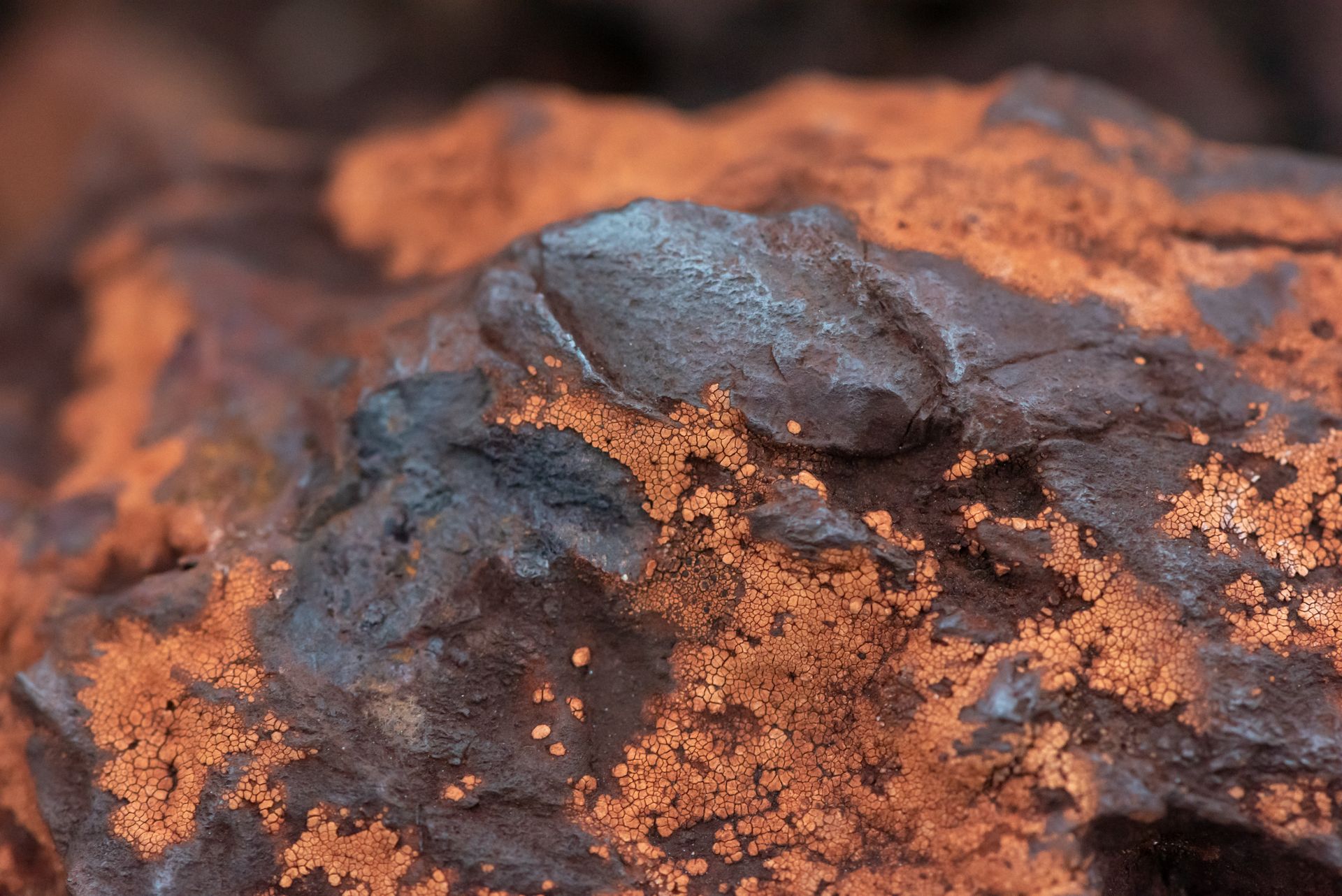
Close-up of iron ore, the iron oxide from which hematite forms, showing what hematite is made of
Hematite Healing Properties and Benefits
Hematite's traditional healing properties all circle back to grounding and strength. None of this is medical, and crystals aren't a substitute for professional care, but here's what practitioners reach for hematite to support.
On the physical side, folk tradition links hematite to the blood, circulation, and conditions like anemia, a natural association for a blood-red iron stone, though these are traditional beliefs rather than proven effects.
What Is Hematite Good For Spiritually?
Spiritually, hematite is the great grounder and protector. It's the stone people use to come back down to earth after meditation, energy work, or anything that leaves them floating and unfocused, drawing loose energy down through the body and into the ground. Because it's so reflective, hematite is also seen as a mirror that bounces negativity away from you rather than letting it stick, which is why it's a favorite for protecting the aura and holding a clean personal boundary.
Hematite pairs beautifully with high-energy stones as a stabilizer. Work with an intense crystal for intuition or spiritual opening and hematite is used to anchor that experience so you don't drift, which is why it's a natural companion after third eye practice. Our how to open your third eye guide leans on exactly this kind of grounding to keep the work safe and steady. Many people also pair hematite with black tourmaline, another dark protective stone, keeping the two together as a grounding and shielding team.
Is Hematite Magnetic? The Truth About Magnetic Hematite
Here's the surprise that catches almost everyone out. Natural hematite is only very weakly magnetic, so weakly that a genuine polished piece won't cling to your fridge or snap bead-to-bead. So what about all those shiny "magnetic hematite" bracelets and singing magnet toys sold everywhere, the ones that stick together with a satisfying click? Those aren't natural hematite at all.
The strongly magnetic material is a man-made product, usually called hematine or magnetic hematite, made by grinding iron oxide into a powder, mixing it with other compounds, pressing it into shape, and magnetizing it. It looks almost identical to the real stone, which is why it's sold under the hematite name, but it's manufactured, not mined. This flips a common assumption on its head: many buyers think a strong magnetic pull proves their stone is real, when in fact it proves the opposite. If your "hematite" is powerfully magnetic, it's the synthetic version. None of that makes it worthless, and plenty of people enjoy magnetic hematite jewelry, but if you specifically want natural hematite for grounding work, know that the real thing barely responds to a magnet.
Hematite and the Root Chakra
Hematite works most strongly with the root chakra, called Muladhara, the energy center at the base of the spine that governs safety, survival, stability, and your basic sense of being at home in the world. When the root feels shaky, you get anxiety, restlessness, and that ungrounded, spinning feeling, and hematite is the classic stone used to settle it. The connection even shows up in color, since the root chakra's color is red and hematite hides a blood-red streak beneath its silver surface.
To work with it, rest a piece of hematite at the base of your spine while lying down, hold one in each hand, or place stones at your feet to draw energy downward. Hematite is especially useful when your upper chakras feel overactive and you're stuck in your head, since it pulls that busy energy back down into your body. If you're new to this, our seven chakras explained guide breaks down each center and what it governs.
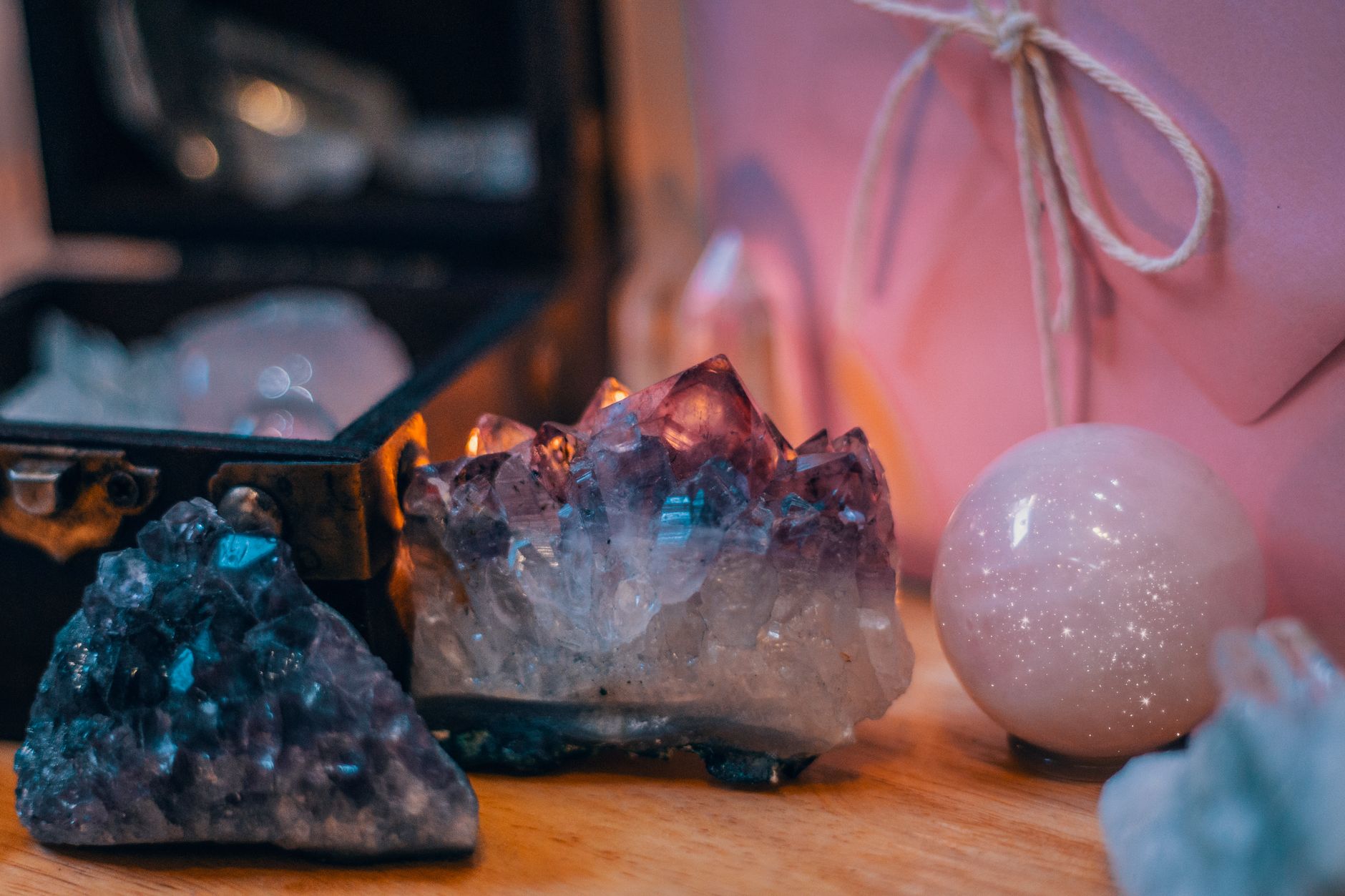
Grounding crystals arranged for chakra balancing, representing hematite and the root chakra
Hematite, the Zodiac, and Ruling Planet
Hematite is most closely associated with Aries and Aquarius. For Aries, the bold fire sign ruled by Mars, hematite is a natural fit, matching that courage and drive while grounding the impatience and burnout that fire can bring. For Aquarius, the sign of the busy, future-facing mind, hematite steadies scattered thinking and brings ideas back down to something workable. On the planetary side, hematite resonates with Mars, the warrior planet of energy, willpower, and action, which suits its iron nature and its themes of strength and protection perfectly.
There's a cosmic tie-in that's hard to beat: Mars looks red in the sky because its surface is coated in iron oxide, the very same mineral family as hematite. The red planet and the blood stone are made of the same stuff. Hematite's element is earth, grounding all that Mars fire, and it isn't a traditional birthstone, so anyone can work with it regardless of their sign. To see where Mars, your drive and courage, sits in your own chart, generate your free natal chart and find your Mars placement.
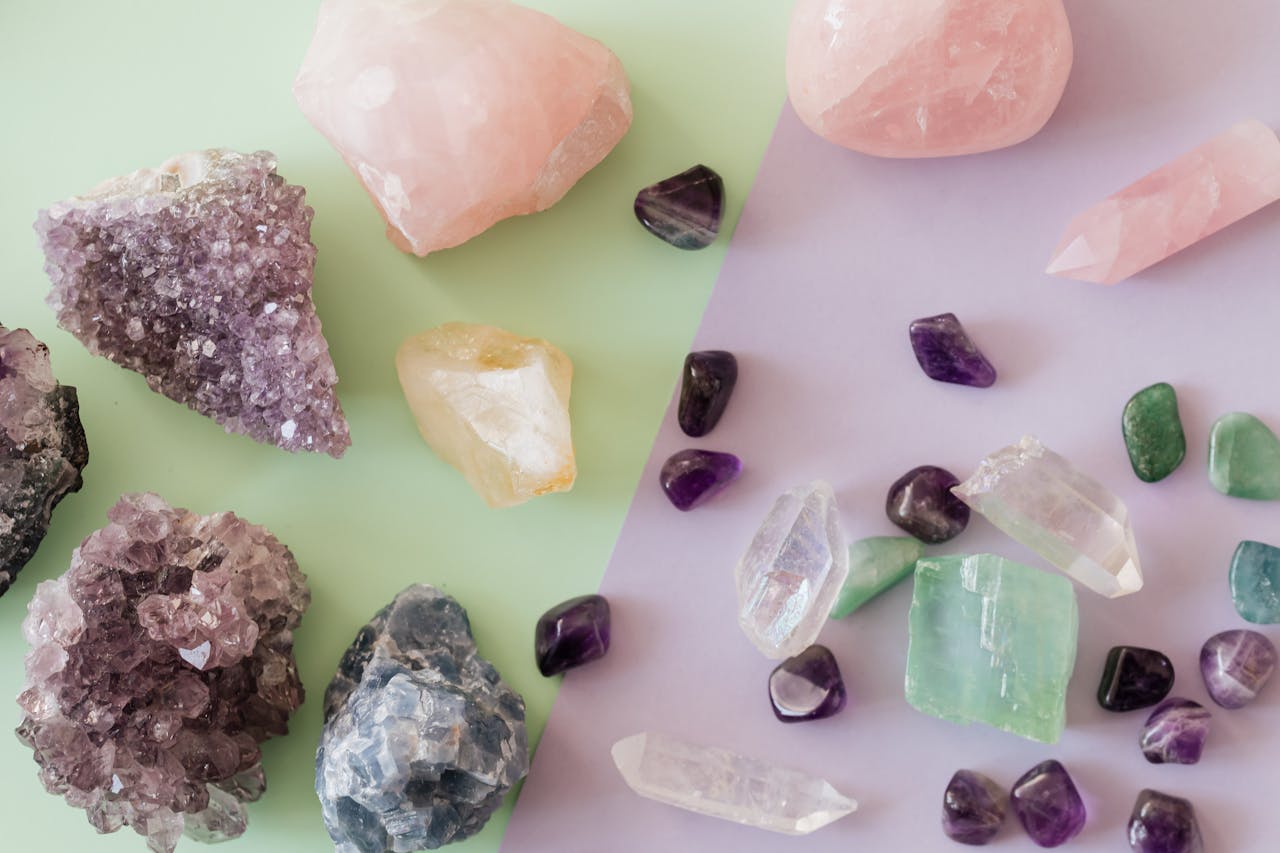
Crystals laid out with zodiac symbolism, representing hematite, the zodiac, and its ruling planet
How to Use Hematite
Hematite is one of the easiest stones to fold into daily life, especially anywhere you need to feel steadier.
Hematite pairs naturally with intention work around grounding, protection, and courage. For a quick reference on its correspondences, you can also check the hematite crystal card in our crystal library.
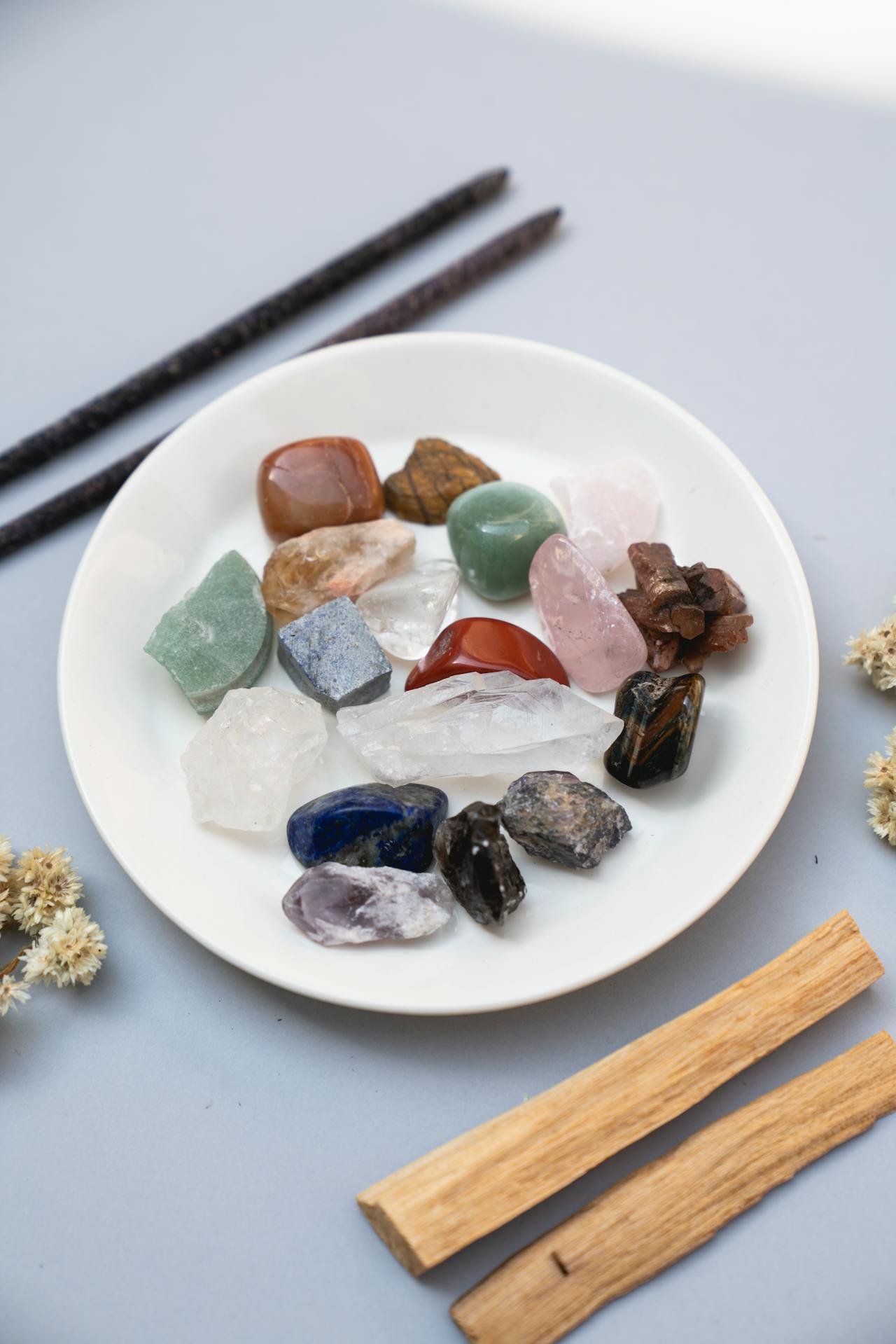
A collection of grounding crystals set out for meditation, representing how to use hematite
Can Hematite Get Wet? Care, Cleansing, and Why Rings Break
Be careful with hematite and water. Because hematite is iron oxide, prolonged soaking, and especially salt water, can cause the surface to rust, developing dull orange spots and losing that gorgeous mirror shine. A quick splash won't destroy a piece, but the safe rule is to keep hematite dry, skip water cleansing entirely, and never make hematite elixirs. Dry it right away if it does get wet.
For cleansing, stick to methods that don't involve moisture. Smudge hematite with sage or palo santo, run it through the sound of a singing bowl, leave it out under the moon, or bury it in the earth for a night, which feels especially fitting for an iron stone that came from the ground. You can also rest it on a selenite slab, and our selenite meaning guide covers that dry, self-cleansing companion.
As for the big question, why do hematite rings keep breaking, there are two answers. Practically, hematite is brittle and a thin ring band has almost no give, so it cracks easily if knocked or dropped, and many cheap "hematite" rings are the reconstituted magnetic material, which is even more fragile. Metaphysically, a well-loved piece of folklore says a hematite piece shatters when it has absorbed all the negativity it can hold and has finished doing its protective job. Believe whichever version you like. Either way, thank it, replace it, and don't read disaster into a broken stone.
Real vs Fake Hematite
Genuine natural hematite gives itself away through weight and streak. It's noticeably heavy and cool for its size, with a metallic silver-gray to black sheen, and the classic test is the streak: drag it across a piece of unglazed porcelain and real hematite leaves a rusty, blood-red line every time. A lightweight piece that feels like plastic is a red flag, since real hematite is dense.
The magnetic trick is the other big tell, but in reverse. As covered above, strong magnetism means you're holding synthetic magnetic hematite, or hematine, not the natural stone. And watch out for "rainbow hematite," which shows an oil-slick, iridescent shimmer. Some of it is genuine iridescent iron mineral, but a lot of the flashy, evenly-colored rainbow beads on the market are artificially coated or treated. None of these are scams exactly, they're just not what a shopper always assumes, so buy from a seller who's clear about whether a stone is natural or manufactured.
Frequently Asked Questions
What is hematite good for?
Hematite is used mainly for grounding, focus, and protection. People carry or wear it to feel more settled and present, to steady an anxious or racing mind, and to deflect negative energy. As an iron stone tied to Mars, it's also associated with courage, willpower, and strength under pressure.
Is magnetic hematite real hematite?
No. Natural hematite is only very weakly magnetic and won't cling to a fridge or snap together. The strongly magnetic "hematite" beads and bracelets sold everywhere are a man-made material called hematine, made from pressed and magnetized iron oxide powder. Strong magnetism actually means the piece is synthetic, not natural.
Can hematite get wet?
It's best to keep hematite dry. Because it's iron oxide, long soaks and salt water can make the surface rust and lose its shine. A quick splash is survivable if you dry it right away, but skip water cleansing and elixirs. Cleanse it with smudging, sound, moonlight, or earth burial instead.
What chakra and zodiac sign is hematite?
Hematite works with the root chakra, the base-of-spine center of safety and grounding. It's most associated with the zodiac signs Aries and Aquarius and is ruled by Mars, the warrior planet, which fits its iron nature and its themes of strength, courage, and protection.
Why does hematite break?
Hematite is brittle, and thin ring bands have little flexibility, so they snap easily when knocked or dropped, especially the reconstituted magnetic kind. In crystal folklore, a broken hematite is said to have absorbed all the negativity it could hold and finished its protective work, so many people simply thank it and replace it.
Bringing It Together
Hematite earns its reputation as the great grounder. It's the stone of the steady body and the present mind, reached for whenever you feel scattered, anxious, or floating above your life, and it pairs that grounding with real strength and protection. Carry it, wear it, or set it at your feet, respect its two quirks by keeping it dry and handling rings gently, and remember that strong magnetism marks the man-made version, not the real thing. To go deeper into where Mars, courage, and drive live for you, generate your free natal chart and see which houses are lit up, pull a tarot reading when you need grounded guidance on a decision, or run a compatibility report to understand the connections worth standing firm for.