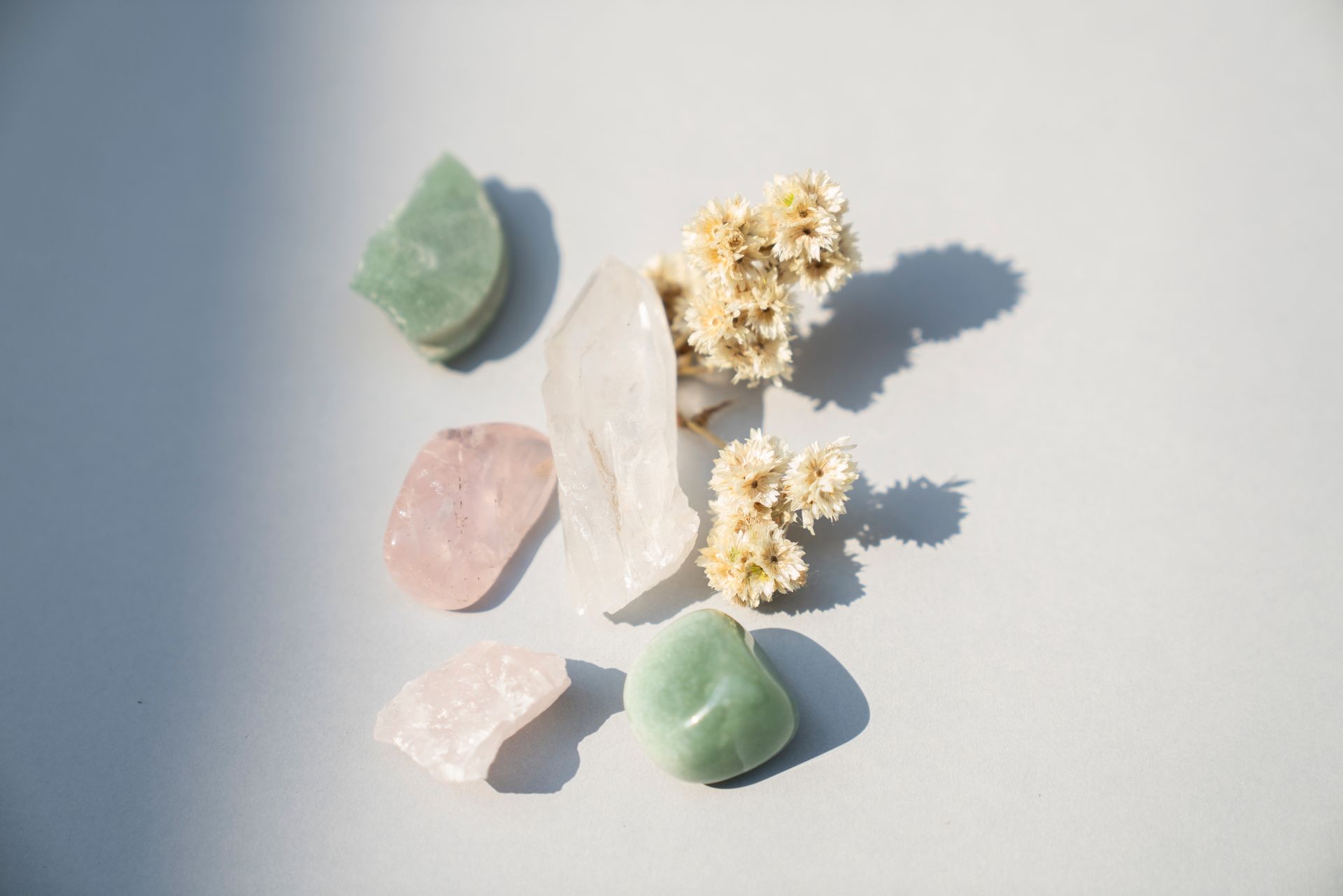
Green Aventurine Meaning: Healing Properties, Uses, and Luck
Green aventurine is the stone people reach for when they want luck to swing their way. Its meaning centers on opportunity, optimism, and an easygoing kind of heart-centered courage, which is why it's earned nicknames like the Stone of Opportunity and, less politely, the Gambler's Stone. The idea running through all of it is simple: green aventurine is meant to help you feel calm enough and open enough to take the chance in front of you. If you want one crystal to keep in your pocket before a job interview, a first date, or a lottery ticket, this is the one most people pick.
This guide covers what green aventurine means, what it's actually made of, its healing properties, and how it connects to the heart chakra and the zodiac. It also answers the questions buyers ask most: where its reputation for luck comes from, whether it really works, and how to tell real aventurine from the dyed quartz and green glass that get sold in its place. Start with the meaning.
What You'll Learn
What Does Green Aventurine Mean?
Green aventurine is best known as a stone of luck and opportunity. Its meaning is about being in the right frame of mind to notice a lucky break and brave enough to act on it, rather than luck falling out of the sky. That's a useful distinction, because the way people describe working with this stone is less "it made me win" and more "it helped me relax, stop overthinking, and say yes." It's the crystal of the fresh start, the leap, and the second chance.
The other half of its meaning is comfort. Green aventurine is often called the Comforter, a heart stone that softens disappointment and steadies you after a setback. That green color ties it to growth, renewal, and the feeling of things coming back to life, which is why people lean on it during job hunts, money worries, or the messy stretch after a breakup. Put the two ideas together and you get its core message: soothe the heart, quiet the nerves, and stay open to what comes next.
What Is Green Aventurine?
Green aventurine is a form of quartz, so it's closely related to clear quartz and the rest of that big, hardy family. It's a massive, opaque type of quartz rather than a clear crystal, and its green color and soft shimmer come from tiny flecks of a green mica called fuchsite scattered through the stone. That glittery, sparkly effect has its own name: aventurescence. Hold a good piece in the light and you'll see it flash with countless little points, almost like the stone has fine glitter baked into it.
The name has a surprisingly honest backstory. It comes from the Italian phrase "a ventura," meaning by chance, and it originally described a type of sparkly glass made in Venice by accident when copper filings were dropped into molten glass. The mineral was named after the glass because they sparkle in a similar way, not the other way around. That glass is still around today, sold as goldstone, and it's one of the things people confuse with the real stone.
Green is the most common color, but aventurine also comes in blue (colored by dumortierite) and red, peach, or brown (colored by iron minerals like hematite). It's a solid 6.5 to 7 on the Mohs hardness scale, the same as other quartz, which makes it durable and easy to live with. Most of the world's green aventurine comes from India, with more from Brazil, Russia, and beyond.
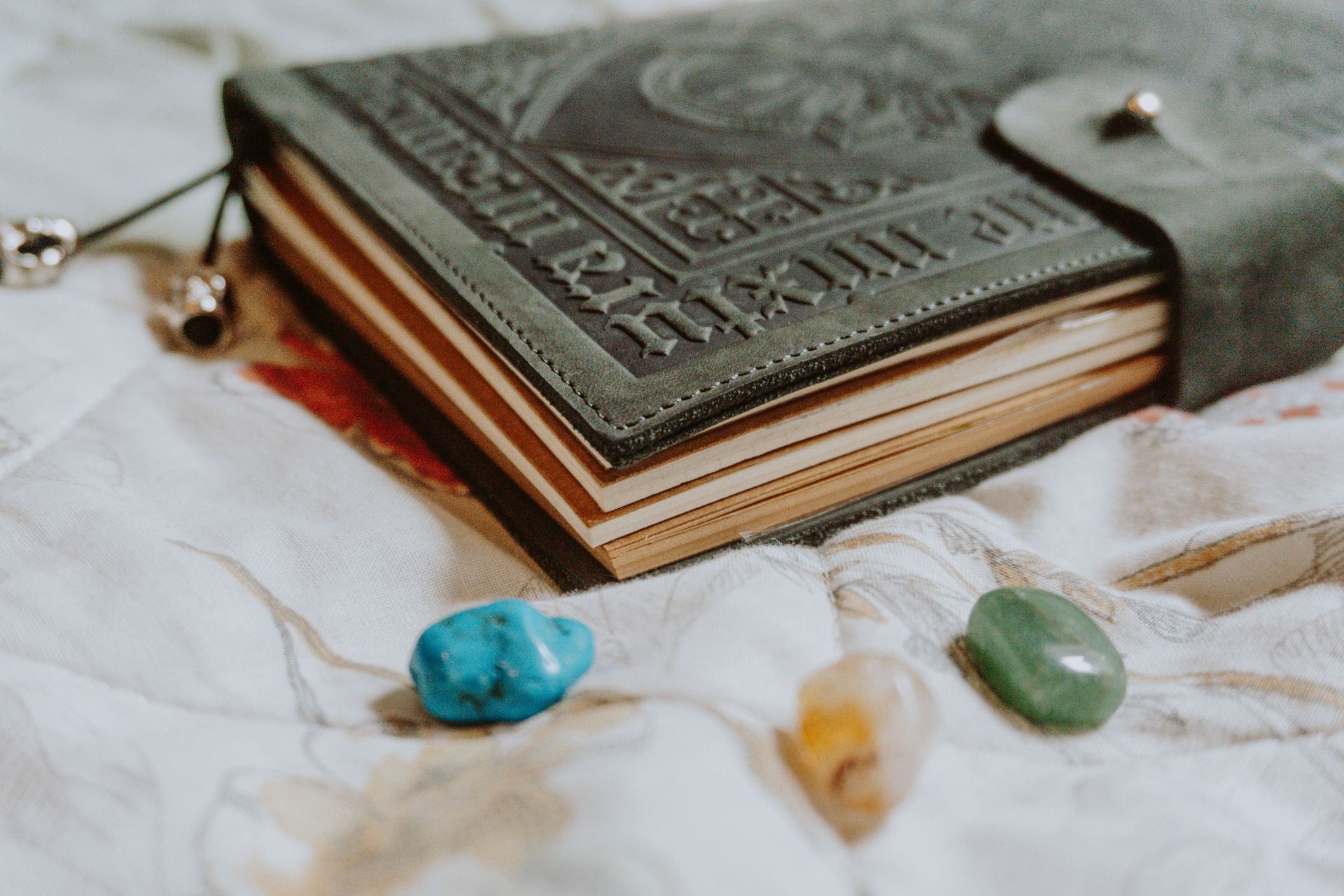
Green aventurine and other polished tumbled stones resting beside a leather journal, showing the stone's soft shimmer
Green Aventurine Healing Properties and Benefits
The headline property people chase is luck, especially the money and opportunity kind. Green aventurine has a long reputation as one of the luckiest crystals for prosperity, new ventures, and games of chance, which is where the Gambler's Stone nickname comes from. In practice, people keep it near money, in a wallet, a cash drawer, or on a work desk, as a small reminder to stay hopeful and take smart risks.
On the emotional side, it's a calming, confidence-building stone. It's often used to ease anxiety and worry, cool down frustration or irritability, and help you bounce back from disappointment with your optimism intact. That's the Comforter role again: green aventurine is meant to take the sharp edges off stress so you can think clearly instead of spiraling. A lot of people reach for it before anything nerve-racking, like a presentation, an interview, or a hard conversation.
It also carries the general themes of growth and vitality that green stones tend to share, which is why it's linked to the heart, wellbeing, and starting fresh. To be clear about what all of this is: these are traditional and metaphysical uses, not medical claims. Green aventurine is a support for mindset and mood, not a treatment, and it works best alongside real rest, real boundaries, and real effort.
Green Aventurine Spiritual Meaning
Spiritually, green aventurine is the Stone of Opportunity, and the emphasis there is on your readiness more than on chance. The belief is that it clears out the mental clutter and self-doubt that make you miss or turn down good openings, so when opportunity shows up, you're calm and clear enough to grab it. It's tied to manifestation and the law of attraction for exactly this reason: an optimistic, unclenched mind is simply better at spotting possibilities and acting on them.
It's also a stone of the heart in the spiritual sense, said to help you release old habits, patterns, and disappointments that keep you stuck in the past. People use it for emotional recovery, forgiveness, and the kind of gentle courage it takes to try again after something didn't work out. If citrine is the bold, sunny prosperity stone, green aventurine is the quieter, kinder one, more about opening up than powering through. It pairs naturally with citrine when you want both the calm and the drive.
Green Aventurine and the Heart Chakra
Green aventurine's home is the heart chakra, the energy center in the middle of the chest that governs love, compassion, and emotional balance. Green is the traditional color of the heart chakra, so a green stone like this one is a natural fit for that area. When the heart chakra feels blocked, people describe it as guardedness, resentment, or trouble letting things go, and green aventurine is used to gently coax it back open.
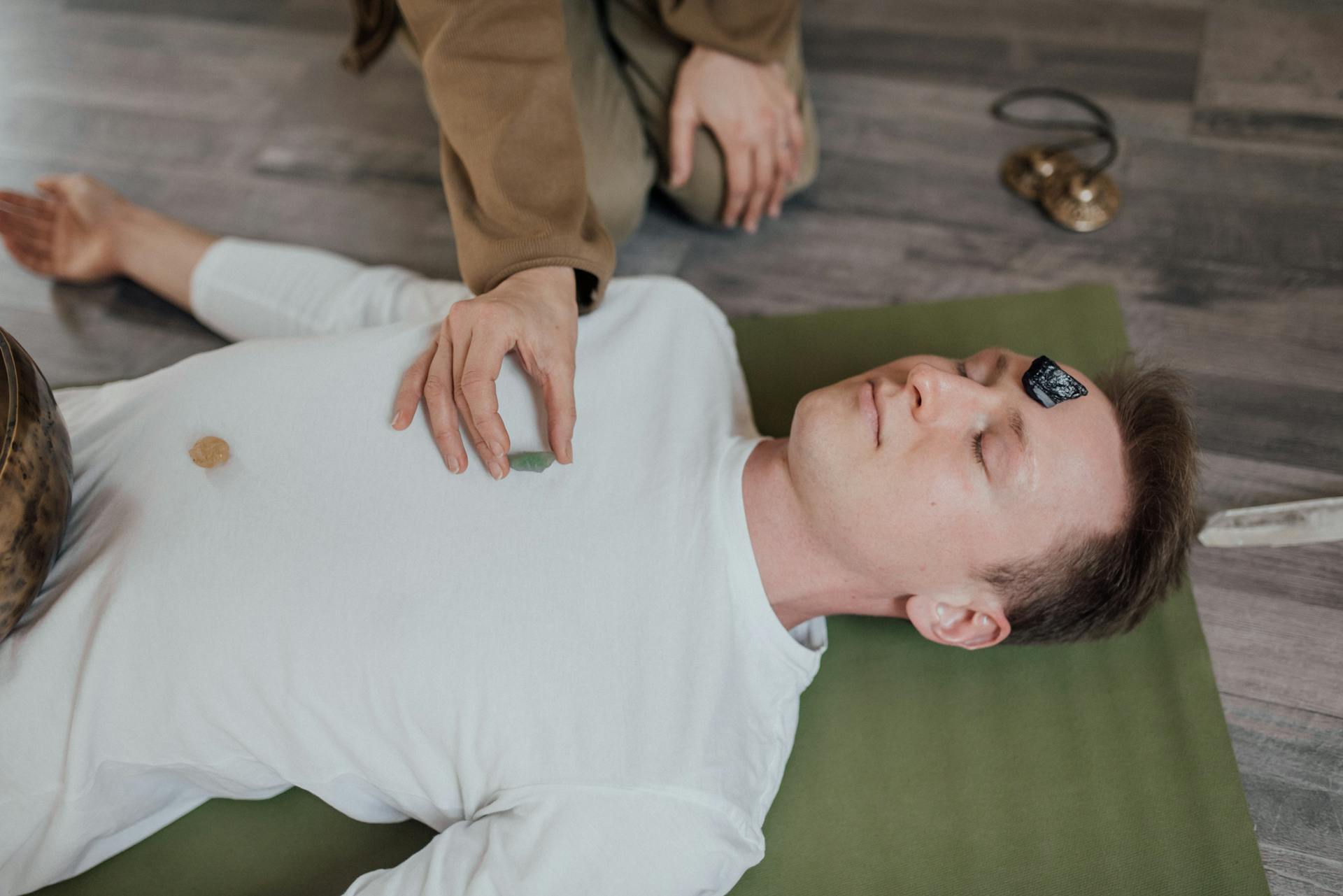
Green healing crystals arranged for heart chakra energy work and emotional balance
What sets aventurine apart from a stone like rose quartz is its lightness. Rose quartz is soft, tender, self-love energy, while green aventurine brings optimism and forward motion to the heart, more "let's try again" than "let's rest." Many people work with both together. To use it, lie down and place a piece on the center of your chest, breathe slowly, and picture the tightness there loosening with each exhale. If you're new to this, the seven chakras guide walks through the whole system.
Green Aventurine Zodiac Signs and Birthstone
Green aventurine isn't a traditional birthstone, so you won't find it on the official birth-month list the way you would peridot or turquoise. In astrology it's most often linked with Aries and Taurus, and Venus is its usual ruling planet, which fits its heart-centered, growth-and-abundance personality. Some traditions also connect it to Libra, Leo, and Virgo, so don't feel boxed out if you're not an Aries or a Taurus.
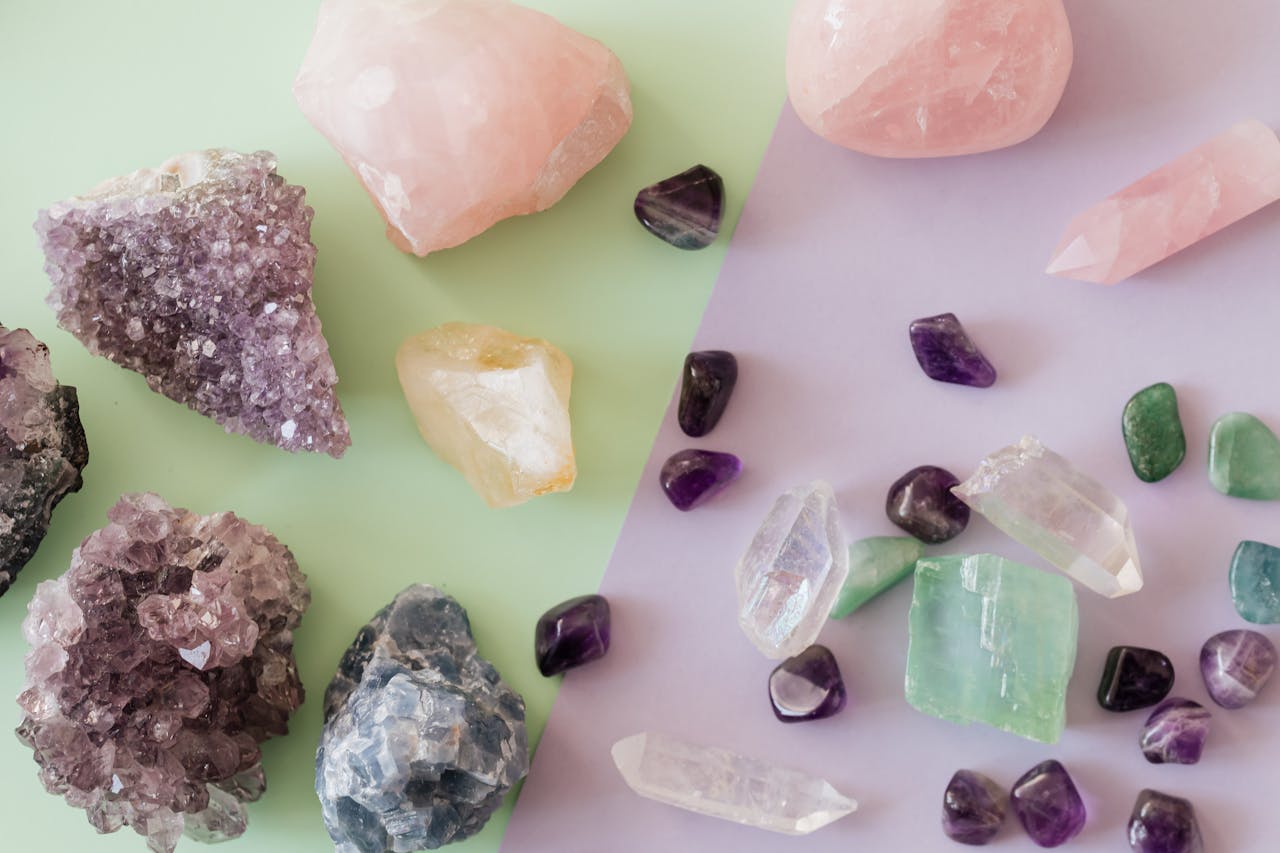
A display of healing crystals arranged by zodiac sign and element
The Aries link is about courage and fresh starts, since aventurine's calm confidence takes the edge off Aries impatience and helps that pioneering energy land well. The Taurus link leans on Venus and the earthy themes of money, comfort, and steady growth, which is squarely Taurus territory. If you want to match stones to your own chart rather than your Sun sign alone, the crystal healing by zodiac sign guide is a good next step, and you can pull your full chart with the free tool at the end.
How to Use Green Aventurine
The easiest way to work with green aventurine is to carry it. A tumbled stone in your pocket, bag, or wallet keeps it with you through the moments where its calm-and-opportunity theme matters most, like interviews, negotiations, or anything that makes your stomach flip. Keeping a piece in a wallet or cash box is the classic move for the money and luck angle.
Wearing it works too. A bracelet or pendant sits the stone against your skin and, in the case of a necklace, close to the heart chakra, which suits its heart-centered nature. For a quieter, more focused practice, hold it during meditation, use it in a crystal grid built around abundance or new beginnings, or set it on your desk or in the wealth corner of a room. You can also set an intention with it: hold the stone, name clearly what you're opening yourself up to, and let it act as a physical reminder of that goal. If you'd rather build a full ritual, the beginner's crystal guide covers grids, layouts, and pairings.
How to Cleanse and Charge Green Aventurine
Because it's quartz, green aventurine is one of the easier stones to care for. It's hard enough to resist scratches and, unlike soft or porous stones such as malachite or turquoise, it's fine with a quick rinse under lukewarm running water, which is one of the simplest ways to cleanse it. Picture the water carrying off anything the stone has picked up, then pat it dry.
One honest caveat on charging: prolonged direct sunlight can slowly dull the green over time, since the color depends on those mica inclusions. A short cleanse in early light is fine, but for regular charging it's safer to use moonlight, which is gentle and never fades a stone, especially the full moon. Other reliable methods work too, like resting the stone on a selenite slab, burying it briefly in dry earth, or clearing it with sound or smoke. If you like the smoke approach, the home energy cleansing guide explains how to do it respectfully. Cleanse whenever the stone feels heavy or after a stressful stretch, roughly once or twice a month for a piece you use often.
Real vs Fake Green Aventurine
Green aventurine is affordable, which actually makes fakes more annoying than usual, since the stone itself is cheap enough that there's no real reason to buy an imitation. The most common swaps are dyed white quartz or dyed glass sold as aventurine, and green glass, often the same goldstone the mineral was named after, passed off as the real thing. Watch for color that's too uniform and too vivid, a fully transparent glassy look, or a suspiciously perfect polish with no character.
Real green aventurine is opaque, not see-through, and its color tends to be a softer, slightly muted green that varies within a single stone. The giveaway is the aventurescence: turn it in the light and you should catch a faint, grainy sparkle from the mica flecks, rather than the smooth even glow of dyed glass. Genuine pieces often have a slightly gritty texture and small natural variations too.
It also gets confused with other green stones. Jade is denser, waxier, and usually more expensive, while amazonite is a blue-green feldspar with a mottled, cloudy look and often faint white streaks, no sparkle. If a "green aventurine" piece is glassy-clear, glows evenly with no grain, and has zero sparkle, treat it as glass until proven otherwise. Buying from a seller who names the source and describes the stone honestly is the surest way to get the real thing.
Frequently Asked Questions
Is green aventurine good for luck and money?
It's one of the most popular crystals for luck, opportunity, and prosperity, which is why people keep it in wallets and on desks. Its real strength is mindset: by easing anxiety and boosting optimism, it helps you notice openings and take smart chances, rather than magically producing cash.
Does green aventurine actually work?
There's no scientific evidence that green aventurine changes your luck or health on its own. What it reliably offers is a calming focal point and a reminder of your intention, which can genuinely steady your nerves and shift your mood, so any "luck" tends to come from acting calmer and bolder, not from the rock itself.
Can green aventurine go in water?
Yes, briefly. As a quartz it handles a short rinse in lukewarm water without harm, which makes water a handy way to cleanse it. Skip long soaks and harsh chemicals, and dry it afterward to keep the polish looking its best.
What chakra is green aventurine?
The heart chakra, in the center of the chest, since green is that chakra's color. It's used to open the heart, ease resentment, and restore emotional balance, with an uplifting, optimistic quality that sets it apart from softer heart stones like rose quartz.
What's the difference between green aventurine and jade?
Both are green heart stones, but they're different materials. Aventurine is quartz with a telltale mica sparkle and is usually inexpensive, while jade is a denser, waxier stone that's typically pricier and lacks that sparkle. If you see aventurescence, it's aventurine.
Bringing It Together
Green aventurine's meaning comes down to a calm, open heart and a readiness to take your chance. It's a form of quartz whose mica flecks give it both its green color and its signature sparkle, it lives at the heart chakra, and its long reputation as the Stone of Opportunity is really about optimism and steadier nerves rather than magic. Care for it like the durable quartz it is, keep it out of long sun, and learn the aventurescence test so you never overpay for glass.
Want to know which stones suit your chart, not just your Sun sign? Run your free natal chart to see your Venus, heart-ruling placements, and elements, then pull a tarot reading when you're weighing a new opportunity and want a little extra clarity.