Malachite Meaning: Healing Properties, Uses, and How to Work With It
Malachite is a vivid green stone banded in light and dark rings, and its meaning centers on transformation, protection, and the courage to change. People reach for malachite when they're ready to break a pattern, release old emotional weight, and step into something new. It's a copper mineral born deep in the earth, and that intense green swirled with concentric bands has made it one of the most recognizable and most powerful stones in the crystal world. It also comes with a safety note most stones don't, and we'll cover that part honestly below.
This guide breaks down what malachite means, what it's actually made of, its traditional healing properties, how it works with the heart chakra, which zodiac signs and planets it suits, how to use it, and the practical care it needs, including the question that matters most with this particular stone: is malachite toxic? Let's start with the meaning.
What You'll Learn
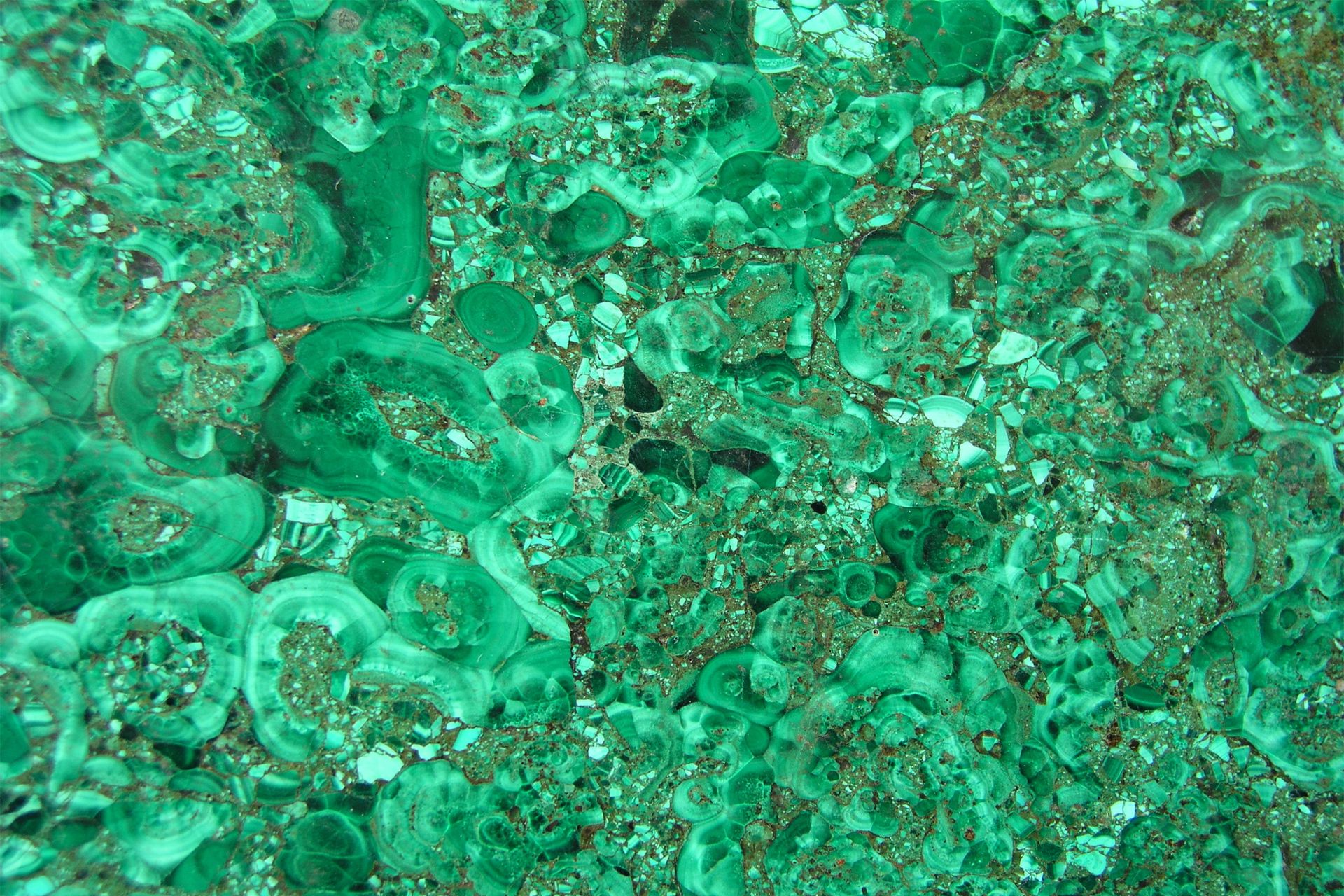
Rich green malachite stone banded with light and dark rings, representing malachite meaning and healing properties
What Does Malachite Mean?
Malachite means transformation, protection, and emotional courage. It's the stone people keep close when life is asking them to change and they need a push to actually do it. Because it draws feelings up to the surface, malachite has a reputation as an intense, no-nonsense stone: it doesn't soothe you into staying comfortable, it nudges you to face what needs facing and move.
The name fits the color. Malachite comes from the Greek word for mallow, the plant, a nod to the deep green of mallow leaves, and some sources also point to a Greek root meaning soft, since malachite is easy to carve and easy to scratch. That workable green has made it a treasure for thousands of years. Ancient Egyptians ground malachite into a green powder for eye paint and pigment, mined it in the Sinai, and linked it to Hathor, the goddess of joy, love, and beauty. Much later, Russian artisans carved malachite from the Ural Mountains into columns, vases, and jewelry boxes, and the famous Malachite Room in the Winter Palace in Saint Petersburg is lined with it. Across cultures, malachite was also carried as a protective amulet, especially for children and travelers, which ties straight into its meaning today.
What Is Malachite Made Of?
Malachite is a copper carbonate hydroxide mineral, and that copper is the whole story. The copper is what gives malachite its saturated green, and it's also why the stone needs careful handling, which we'll get to. Malachite forms near the surface in the oxidized zones of copper ore deposits, where copper-rich water reacts with carbonate rock over long stretches of time. Layer by layer, it builds up in rounded, grape-like clusters called botryoidal formations, and when those layers are sliced and polished you get the light and dark banding, the swirls, and the little bullseye "eyes" that make malachite unmistakable.
It's often found alongside azurite, a deep blue copper mineral, and the two sometimes grow together as a single blue and green stone. Malachite is soft, only about 3.5 to 4 on the Mohs hardness scale, so it scratches easily and can't take rough treatment. Most of the world's malachite today comes from the Democratic Republic of the Congo, with other notable deposits in Russia, Zambia, Australia, Mexico, and Arizona. If malachite is one of your first stones, our healing crystals for beginners guide covers how to choose and start working with a new piece.
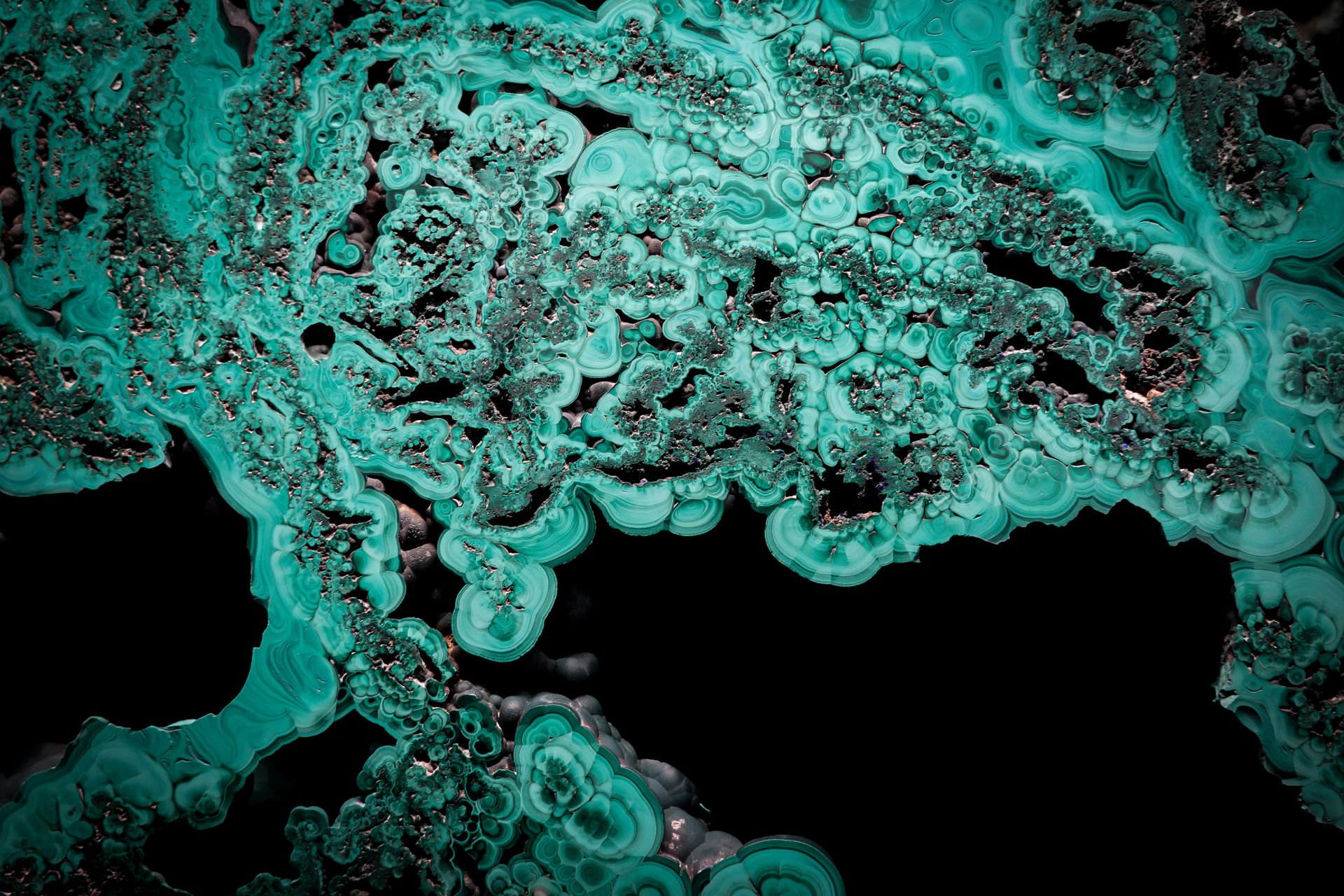
Close-up of vivid green malachite showing its natural concentric banding, representing what malachite is made of
Malachite Healing Properties and Benefits
Malachite's traditional healing properties gather around one big theme: change. None of this is medical, and crystals aren't a substitute for professional care, but here's what practitioners reach for malachite to support.
The thread through all of it is honest, sometimes uncomfortable growth. Malachite isn't a gentle stone, and people who work with it tend to describe it as a catalyst rather than a comforter.
What Is Malachite Good For Spiritually?
Spiritually, malachite is a mirror and a catalyst. It's said to reflect the parts of yourself you've been avoiding, then give you the strength to do something about them, which makes it a favorite for shadow work and deep inner change. Practitioners use malachite to break unwanted patterns and cut cords to people or habits that keep pulling them backward.
It also carries a long protective reputation. Malachite is thought to absorb heavy or negative energy, and some crystal traditions describe it as a stone that shields against environmental and electromagnetic pollution. That last claim comes up a lot, and it's the same one attached to our black tourmaline meaning guide. To be straight about it, there's no scientific evidence that any stone blocks EMF, so treat that as folklore rather than fact. Where malachite genuinely shines is intention work around change. Holding a piece while you set a goal to release something old during the new moon gives that intention a bold, forward-leaning anchor.
Malachite and the Heart Chakra
Malachite's green places it firmly with the heart chakra, called Anahata, the energy center in the middle of the chest that governs love, compassion, forgiveness, and emotional balance. When the heart chakra is open you give and receive love freely and let go of old resentment. When it's blocked you close off, hold grudges, or brace against getting hurt again. Malachite is one of the stones people reach for to clear that blockage, especially when the block is built out of past pain.
Because malachite works by drawing feelings up and out, it pairs beautifully with a softer heart stone that soothes what it surfaces. The classic combination is malachite with rose quartz: malachite does the excavating, rose quartz does the comforting. To place malachite within your whole energy system, our seven chakras explained guide maps every center and the stones that support each one, and our zodiac signs and chakras guide connects those centers to your chart.
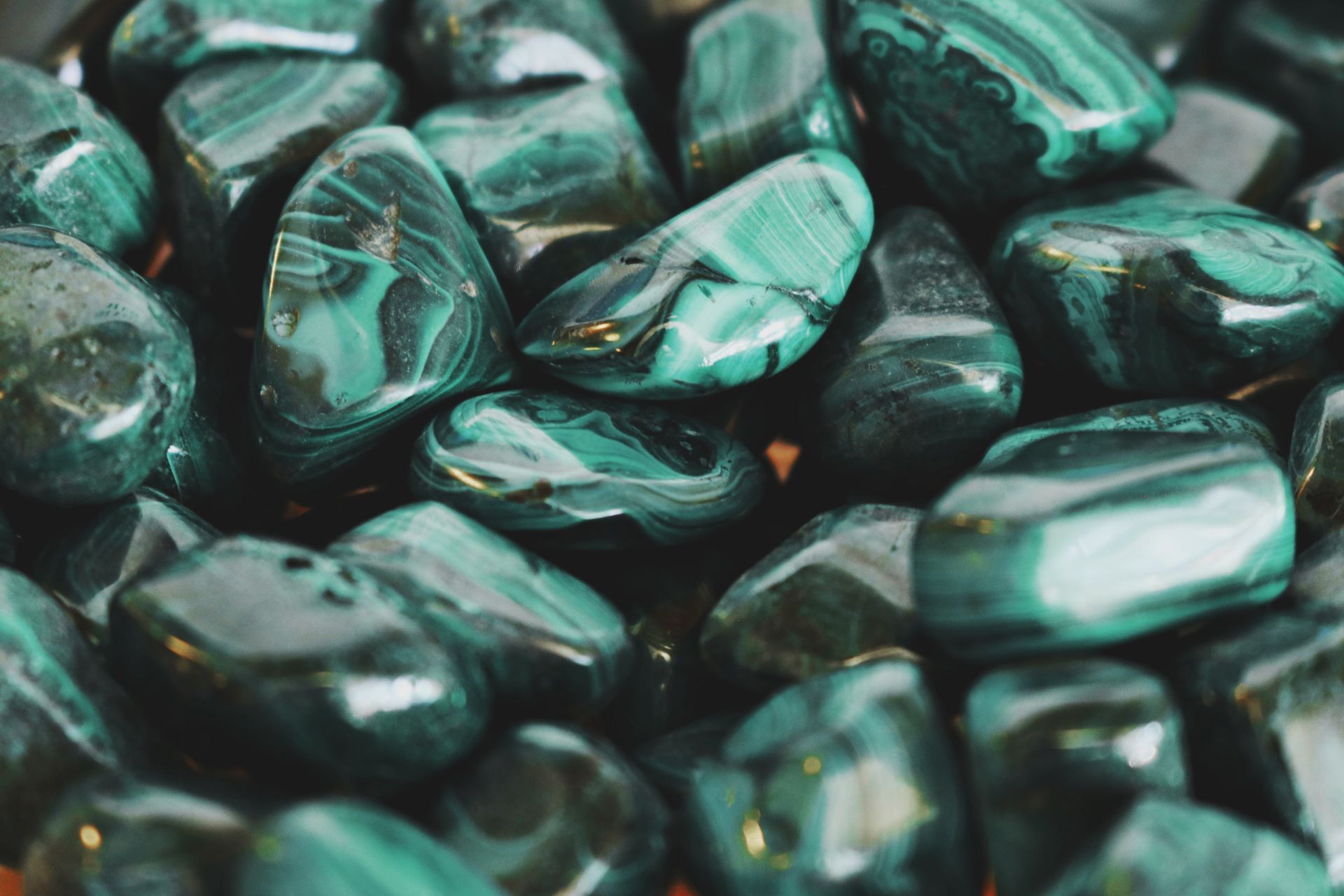
Polished malachite stones showing rich green swirls and banding, representing malachite healing properties and heart chakra work
Malachite, the Zodiac, and Ruling Planets
Malachite's strongest zodiac tie is to Scorpio, the sign of depth, intensity, and transformation. Scorpio is all about death and rebirth, digging beneath the surface, and coming out changed, which mirrors malachite's job almost exactly. That's why malachite shows up so often as a Scorpio stone. You can read more about that transformative streak in our Scorpio zodiac sign profile.
Malachite also resonates with Capricorn, whose disciplined, goal-driven nature pairs well with a stone that gives you the courage to actually make a change and see it through. Our Capricorn zodiac sign guide covers that steady ambition. On the planetary side, malachite connects to Venus, the planet of love, beauty, and what we value, which fits both its heart-chakra role and its history as a beauty stone in ancient Egypt. Since Venus also rules Taurus and Libra, malachite suits those signs too. To match stones to your own placements, our crystal healing by zodiac sign guide breaks it down sign by sign, and if you want to find your own Venus placement, our what is my Venus sign guide shows you how. Our birthstones and the zodiac guide covers how gems line up with the signs overall.
How to Use Malachite
Malachite is versatile, though its softness and its copper content mean you'll want to be a little more careful with it than with quartz. A few common ways to work with it:
Malachite pairs naturally with intention work around release and transformation. For a quick reference on its correspondences, you can also check the malachite crystal card in our crystal library.
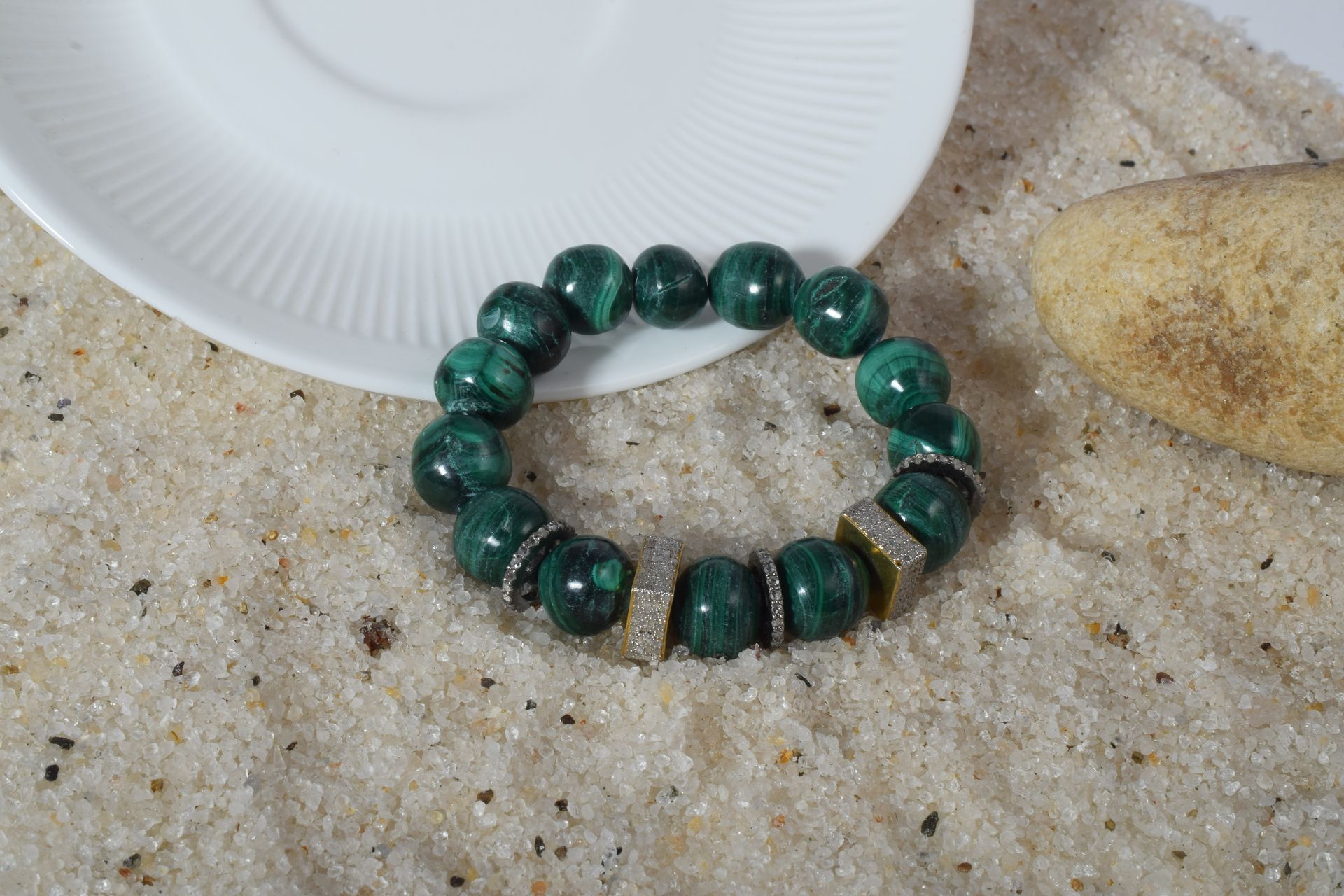
Green malachite bead bracelet resting on a soft surface, representing how to use and wear malachite
Is Malachite Toxic? Safety, Water, and Care
Malachite deserves an honest safety section, because it's genuinely different from most stones. Malachite contains copper, and copper compounds can be harmful if they get inside your body. The real risk comes from dust. If you cut, grind, sand, or drill raw malachite, the fine powder is toxic to inhale or swallow, so that kind of work should always be done wet, with proper protection, and never by a hobbyist without the right setup. Handling a smooth, polished, tumbled malachite is generally considered safe. Just wash your hands afterward, don't lick it or hold it in your mouth, and keep pieces away from small children and pets who might swallow them.
The other big rule is water. Do not put malachite in water and do not make gem elixirs by dropping it straight into a drink. Malachite is soft and porous, it reacts with water and acids, and prolonged contact can damage the polish and leach copper. That means no soaking, no salt water, and no water cleansing at all. A quick wipe with a dry or barely damp cloth is the most moisture it should ever see.
So how do you cleanse a stone that can't get wet? Dry methods only. You can smudge malachite with sage or palo santo, run it through the sound of a singing bowl, or rest it on a selenite slab, which cleanses without any moisture. Our selenite meaning guide covers that self-cleansing stone, which is the safest companion for delicate crystals like this one. Because malachite is an absorbing stone, it benefits from frequent cleansing. Brief, indirect sunlight is fine for a quick recharge, but don't leave it out for hours, since long exposure can fade the green and heat can crack it. Moonlight is a gentler option.
Real vs Fake Malachite
Malachite is copied often, so it helps to know what you're looking at. The most common fake is reconstituted malachite, where real malachite powder is mixed with resin and pressed into shape. It looks convincing but tends to have banding that's too uniform, too repetitive, or oddly perfect, and it often feels lighter and warmer than solid stone. Genuine malachite has irregular, natural banding, no two "eyes" exactly alike, and it feels cool, dense, and heavy in the hand. You may spot tiny pits or slightly uneven patches on a real piece, which are a good sign, not a flaw.
Other fakes include dyed howlite or magnesite, polymer clay, and painted glass or plastic. Glass and plastic warm up fast when you hold them and can show trapped air bubbles or a suspiciously glossy surface. Because malachite is soft, an unusually hard, scratch-proof "malachite" is a red flag. When in doubt, buy from a seller who's clear about sourcing. The finest carving-grade malachite has come from the Congo and, historically, the Ural Mountains of Russia.
Malachite vs Azurite vs Chrysocolla
These three copper stones grow in the same places and get mixed up constantly, so here's how they differ. Malachite is the banded green one, tied to transformation, protection, and the heart chakra. Azurite is a deep, electric blue copper mineral often found intergrown with malachite as a single blue and green stone; it leans toward intuition, insight, and the third eye rather than the heart. Chrysocolla is a soft blue-green copper stone associated with the throat chakra, gentle communication, and soothing emotional calm, a much mellower feel than malachite's intensity.
If you want bold change and heart healing, choose malachite. If you want deeper intuition and inner vision, look to azurite. If you want calm, honest communication, chrysocolla is the softer choice. Many collectors keep more than one, since the copper family covers a wide range of jobs. For a stone with similar green heart energy but a gentler, luckier reputation, green aventurine is a common next step.
Frequently Asked Questions
Is malachite toxic?
Malachite contains copper, so its dust is toxic if you cut, grind, or sand raw stone, and it should never go in water you'll drink. Handling a polished, tumbled piece is generally considered safe. Just wash your hands after, don't put it in your mouth, and keep it away from young children and pets.
Can malachite get wet?
No. Malachite is soft, porous, and reacts with water, which can dull the polish and leach copper. Skip water cleansing, salt water, and elixirs entirely. Cleanse it with dry methods like smudging, sound, or a selenite slab, and wipe it only with a dry or barely damp cloth.
What is malachite good for?
Malachite is used to support transformation, emotional release, protection, and courage. As a heart-chakra stone, it's a favorite for breaking old patterns, surfacing and clearing buried feelings, and finding the nerve to make a change. It's traditionally carried as a protective, energy-absorbing stone too.
Which chakra is malachite?
Malachite works with the heart chakra, called Anahata, the center that governs love, compassion, and emotional balance. Its green energy is used to clear old hurt and reopen the heart, which is why it pairs so well with a softer heart stone like rose quartz.
What zodiac sign is malachite?
Malachite is most closely tied to Scorpio, the sign of depth and transformation, and it resonates with Capricorn as well. On the planetary side it connects to Venus, which also links it to Venus-ruled Taurus and Libra.
Bringing It Together
Malachite earns its reputation as a stone of transformation. It's bold, protective, and honest to the point of being intense, which makes it one of the best allies for anyone standing at the edge of a big change. Work with it near your heart, pair it with something gentle when the feelings run high, and respect its one firm rule: keep it away from water and treat its copper dust with care. Handle it right, and malachite becomes a quiet push toward the version of your life you keep imagining. To go deeper into where change and Scorpio energy live for you, generate your free natal chart and see which houses are lighting up, pull a tarot reading when you need guidance on a decision, or run a compatibility report to understand the relationships worth transforming.