Lapis Lazuli Meaning: Healing Properties, Uses, and How to Work With It
Lapis lazuli is a deep blue stone flecked with gold, and its meaning centers on truth, wisdom, and inner vision. For thousands of years people have reached for lapis when they want to speak honestly, think clearly, and open the quiet channel between the mind and the intuition. It isn't a single mineral but a rich blue rock, and that midnight color streaked with pyrite has made it one of the most prized stones in human history, worn by pharaohs and ground into paint worth more than gold.
This guide covers what lapis lazuli means, what it's actually made of, its traditional healing properties, how it connects to the throat and third eye chakras, which zodiac signs and planets it suits, and the practical care it needs, including the question that trips up most people: can lapis lazuli get wet? Let's start with the meaning itself.
What You'll Learn
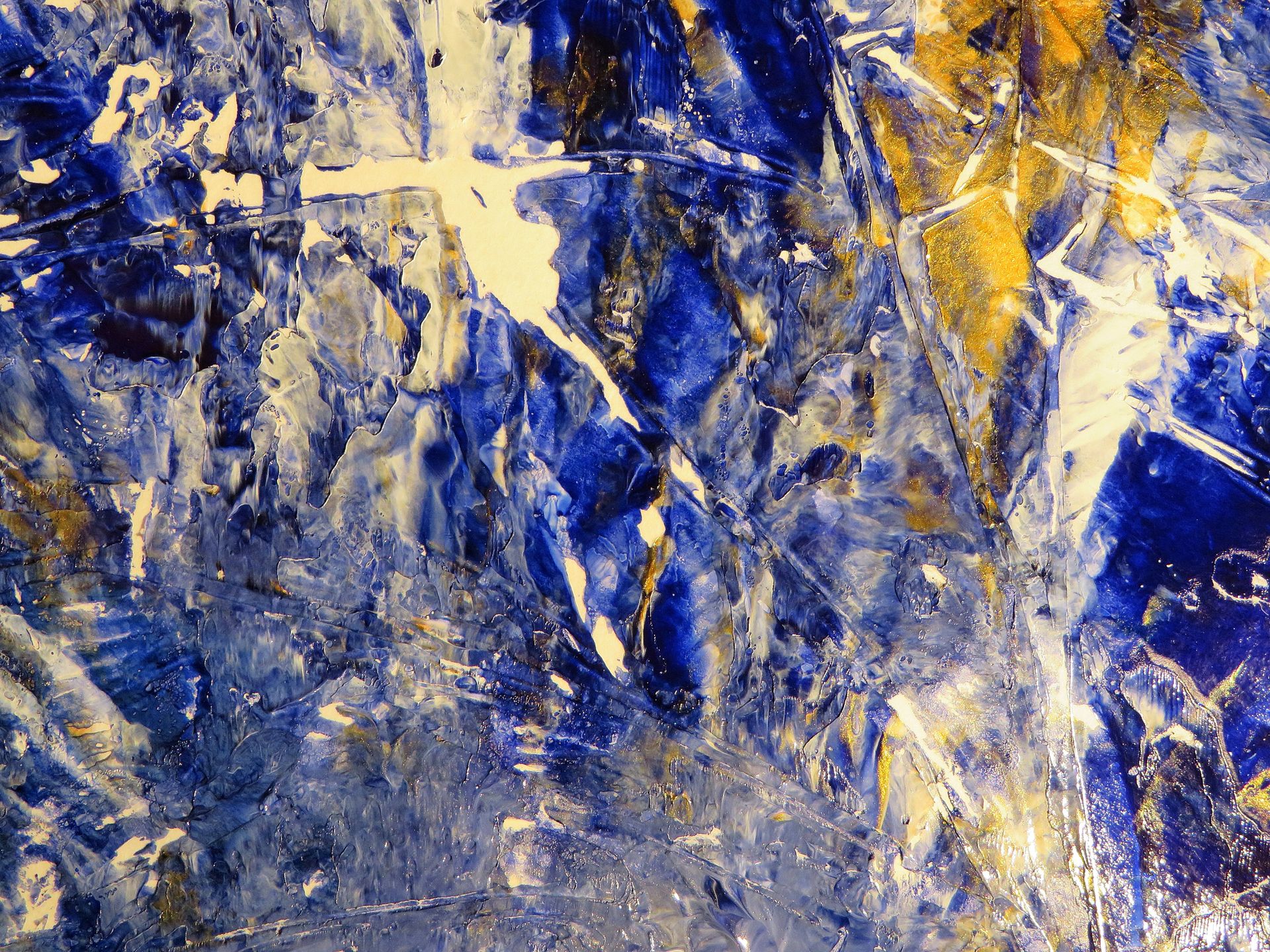
Deep blue lapis lazuli stone streaked with gold, representing lapis lazuli meaning and healing properties
What Does Lapis Lazuli Mean?
Lapis lazuli means truth, wisdom, and self-expression. It's the stone people keep close when they want to say what they actually think, trust their own judgment, and see past the surface of a situation. Its name is a small history lesson on its own: lapis is Latin for stone, and lazuli traces back through Arabic and Persian to a word meaning blue or heaven. Put together, lapis lazuli literally means stone of the sky, which is exactly how ancient cultures treated it, as a piece of the night sky you could hold in your hand.
That heavenly reputation goes back a long way. Lapis has been mined in the mountains of Badakhshan in northeastern Afghanistan for more than 6,000 years, and from there it traveled across the ancient world. Egyptian royalty prized it above almost any other stone. The famous funerary mask of Tutankhamun is inlaid with lapis, and legend says Cleopatra ground it into powder for her eyeshadow. Later, Renaissance painters crushed the finest lapis into ultramarine, a blue pigment so costly it was reserved for the robes of the Virgin Mary in sacred paintings. Wherever it went, lapis carried the same associations: royalty, the divine, and hard-won wisdom.
What Is Lapis Lazuli Made Of?
Here's a detail that surprises people. Lapis lazuli isn't one mineral, it's a rock, a blend of several minerals fused together. The deep blue comes from lazurite. The white veins and cloudy patches are calcite. And those little glints of gold that make lapis so recognizable aren't real gold at all, they're pyrite, also known as fool's gold.
The best-quality lapis is an even, intense royal blue with a scattering of fine pyrite and very little white calcite. Stones with heavy white streaking or a grayish cast are considered lower grade, though they're no less useful for energy work. Lapis ranks around 5 to 5.5 on the Mohs hardness scale, which makes it a fairly soft stone that can scratch and chip more easily than quartz. That softness matters a lot when it comes to cleaning and care, which we'll get to below. If you're brand new to working with stones, our healing crystals for beginners guide covers how to choose and start using your first pieces.
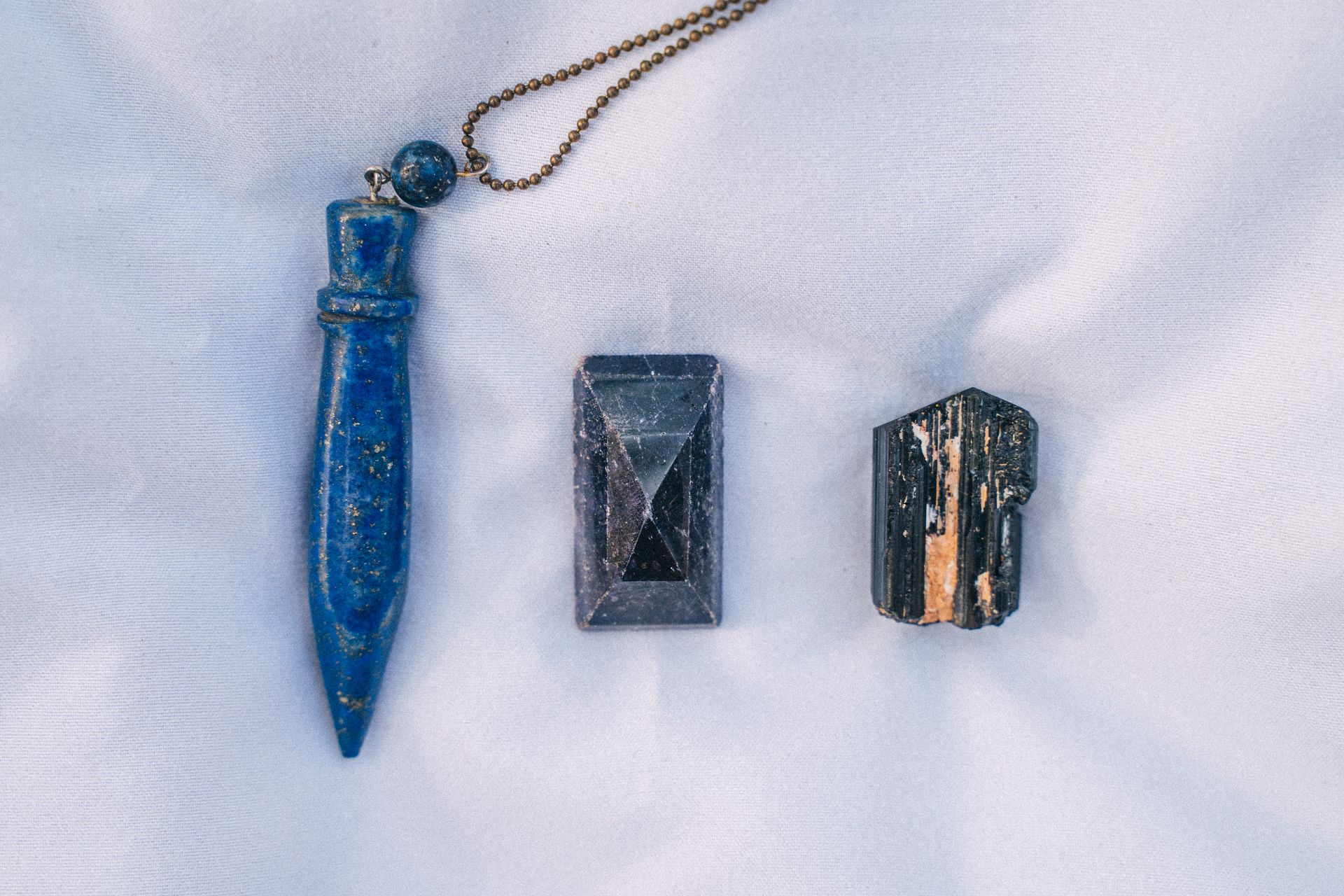
Blue healing crystals arranged in a still life, representing lapis lazuli healing properties and benefits
Lapis Lazuli Healing Properties and Benefits
Lapis lazuli's traditional healing properties gather around two themes: truth and insight. None of this is medical, and crystals aren't a substitute for professional care, but here's what practitioners reach for lapis to support.
The thread running through all of it is truthfulness. Lapis doesn't promise to make life easier, it helps you see clearly and speak clearly, which tends to make the hard conversations more productive.
What Is Lapis Lazuli Good For Spiritually?
Spiritually, lapis lazuli is a stone of wisdom and awakening. It's long been tied to the search for higher knowledge, which is why priests, healers, and royalty across the ancient world wore it. Practitioners today use lapis to deepen meditation, encourage vivid and meaningful dreams, and open a clearer line to their intuition and spirit guides.
Its most famous spiritual role is bridging the mind and the higher self. Lapis is said to connect intellectual thought with intuitive knowing, so the two work together instead of pulling against each other. That makes it a natural companion for any practice built on insight, whether that's journaling, divination, or third eye work. If you want a structured way into that kind of practice, our guide on how to open your third eye pairs naturally with a lapis meditation.
Lapis Lazuli, the Throat and Third Eye Chakras
Lapis lazuli is one of the few stones that works strongly with two chakras at once: the throat and the third eye. Its rich blue matches the throat chakra, called Vishuddha, the energy center at the base of the neck that governs communication, truth, and self-expression. When the throat chakra is balanced you speak honestly and listen well. When it's blocked you go quiet, hold back, or struggle to be understood. Lapis is the stone people reach for to open that channel.
At the same time, lapis reaches up to the third eye chakra, called Ajna, at the center of the forehead, which governs intuition and inner sight. That double action is what makes lapis special: it helps you perceive the truth with the third eye and then speak it through the throat. To place lapis in a full-body practice, holding a piece at the throat or resting it on the brow during meditation are the most common approaches. Our seven chakras explained guide maps out every energy center and the stones that support each one.
A person holding blue prayer beads in meditation, representing lapis lazuli and the throat and third eye chakras
Lapis Lazuli, the Zodiac, and Ruling Planets
Lapis lazuli's strongest astrological tie is to Sagittarius, the sign of the seeker, the philosopher, and the truth-teller. Sagittarius is ruled by Jupiter and driven by a hunger for meaning and higher knowledge, which fits lapis and its long link to wisdom almost perfectly. That's why lapis shows up so often as a Sagittarius stone. You can read more about that questing spirit in our Sagittarius zodiac sign profile.
Lapis also resonates with Libra, whose search for balance and honest relating suits the stone's truth-telling nature, and with Capricorn, whose disciplined, leadership-minded streak matches lapis and its royal reputation. On the planetary side, lapis connects to Jupiter, the planet of wisdom, expansion, and higher learning, and to Venus and Neptune for its links to beauty and spiritual insight. To match stones to your own placements, our crystal healing by zodiac sign guide breaks it down sign by sign, and our birthstones and the zodiac guide covers how gems line up with the signs.
How to Use Lapis Lazuli
Lapis is versatile, and you don't need a formal ritual to benefit from it. A few of the most common ways to work with it:
Lapis pairs especially well with intention work around truth and communication. Setting a clear intention to speak up for yourself during the new moon while holding lapis gives the practice a focused, articulate anchor.
Can Lapis Lazuli Get Wet? Cleansing and Care
Lapis lazuli should not get wet, at least not for long. This is one stone where the usual water-rinse advice can do real damage. At 5 to 5.5 on the Mohs scale, lapis is soft and slightly porous, and it contains calcite and pyrite. Water, especially salt water, can dull the polish, seep in through cracks, and over time cause the pyrite to rust and the calcite to erode. Long soaks, hot water, and harsh cleaners are all off the table. A quick wipe with a soft, barely damp cloth is the most water it should ever see.
Because water is risky, dry cleansing methods are the safe choice for lapis. You can smudge it with sage or palo santo, run it through the sound of a singing bowl, or set it on a selenite slab, which cleanses without any moisture. Our selenite meaning guide covers the self-cleansing stone most people pair with lapis for exactly this reason. To recharge lapis, moonlight is the classic choice, and it's far gentler than sunlight, which can fade the blue over time. Keep lapis away from harder stones in storage too, since they can scratch its soft surface.
Real vs Fake Lapis Lazuli
Lapis is faked often, usually with dyed howlite or dyed jasper, and sometimes with reconstituted powder pressed back together. A few things help you tell real from fake. Genuine lapis has an uneven, natural depth of blue, not a flat, uniform dye job, and its pyrite flecks are scattered irregularly rather than in a suspiciously even sprinkle. Real lapis is cool to the touch and feels dense and solid. If a stone is very light, very cheap, and perfectly even in color, be cautious.
One more clue: dyed stones can sometimes leave color on a cotton swab dipped in acetone, while real lapis won't. When in doubt, buy from a seller who sources responsibly and is clear about where the stone comes from. The finest lapis still comes from Afghanistan, with other deposits in Chile and Russia, and a reputable dealer will usually tell you.
Lapis Lazuli vs Sodalite vs Azurite
These three blue stones get confused constantly, so here's how they differ. Lapis lazuli is a royal blue rock flecked with golden pyrite and white calcite, prized for truth, wisdom, and working the throat and third eye together. Sodalite is actually one of the minerals found in lapis, but on its own it's a softer, more mottled blue with white patches and no pyrite gold. Sodalite leans toward calm, logic, and rational thought rather than lapis and its royal, visionary energy. Azurite is a brighter, more electric blue copper mineral, softer still and more fragile, associated with deep intuition and psychic insight.
If you want honest communication and wisdom, choose lapis. If you want calm, level-headed thinking, choose sodalite. If you want to push deeper into intuition and inner vision, choose azurite. Many practitioners keep more than one, since the blues cover slightly different jobs. For a gentler intuitive stone that also supports dreams, compare lapis with our moonstone meaning guide.
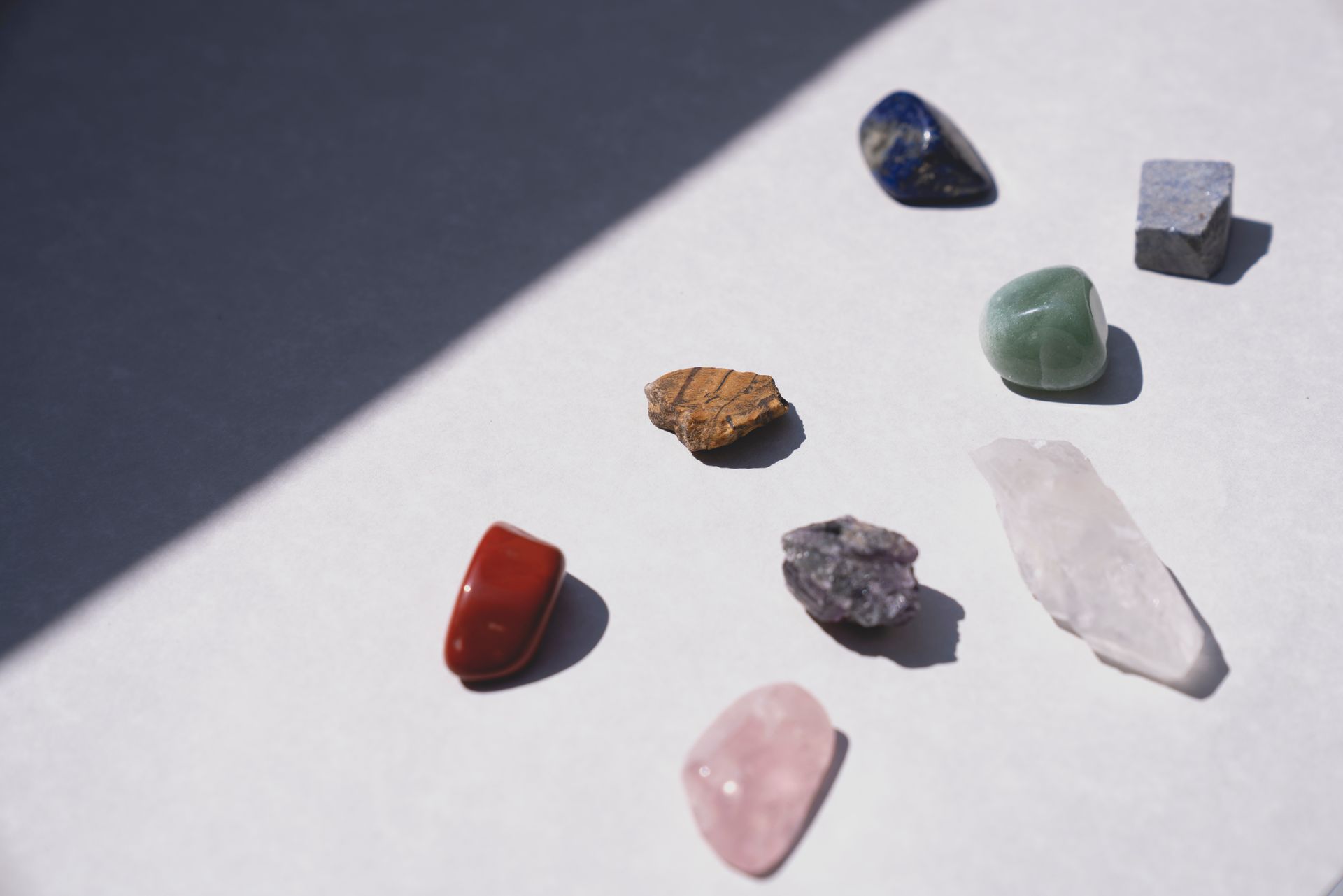
A collection of healing crystals on a light surface, representing how to use and identify real lapis lazuli
Frequently Asked Questions
Can lapis lazuli get wet?
Not really. Lapis is soft and porous, and water can dull the polish, rust the pyrite, and erode the calcite inside it. Avoid soaking, salt water, and hot water. A quick wipe with a barely damp cloth is the most it should see, and dry cleansing methods are far safer.
What is lapis lazuli good for?
Lapis is used to support honest communication, mental clarity, and intuition. As a throat and third eye stone, it's a favorite for speaking your truth, thinking clearly, deepening meditation, and encouraging vivid dreams. Traditionally it's also linked to wisdom, confidence, and leadership.
Which chakra is lapis lazuli?
Lapis works with two chakras. Its deep blue matches the throat chakra, which governs communication and self-expression, and it also opens the third eye chakra, which governs intuition and inner vision. That double action is what makes it a stone of speaking the truth you see.
What zodiac sign is lapis lazuli for?
Lapis is most closely tied to Sagittarius, the sign of the seeker and truth-teller, and it resonates with Libra and Capricorn as well. On the planetary side it connects to Jupiter, the planet of wisdom and higher learning.
How can you tell if lapis lazuli is real?
Real lapis has an uneven, deep blue color, irregularly scattered gold pyrite flecks, and feels cool, dense, and solid. Fakes are often dyed howlite or jasper, which look flat and too uniform and feel light. A cotton swab with acetone can lift dye from a fake but not from genuine lapis.
Bringing It Together
Lapis lazuli earns its ancient reputation as the stone of the sky. It's wise, honest, and unafraid of the truth, which makes it one of the most useful stones for finding your voice, sharpening your thinking, and opening the channel between intuition and expression. Handle it gently, keep it away from water, and let its deep blue calm remind you that clarity and honesty are their own kind of power. To go deeper into the wisdom lapis supports, generate your free natal chart to see where Jupiter and Sagittarius energy live in your chart, pull a tarot reading when you need honest guidance on what to say, or run a compatibility report to understand the conversations worth having.