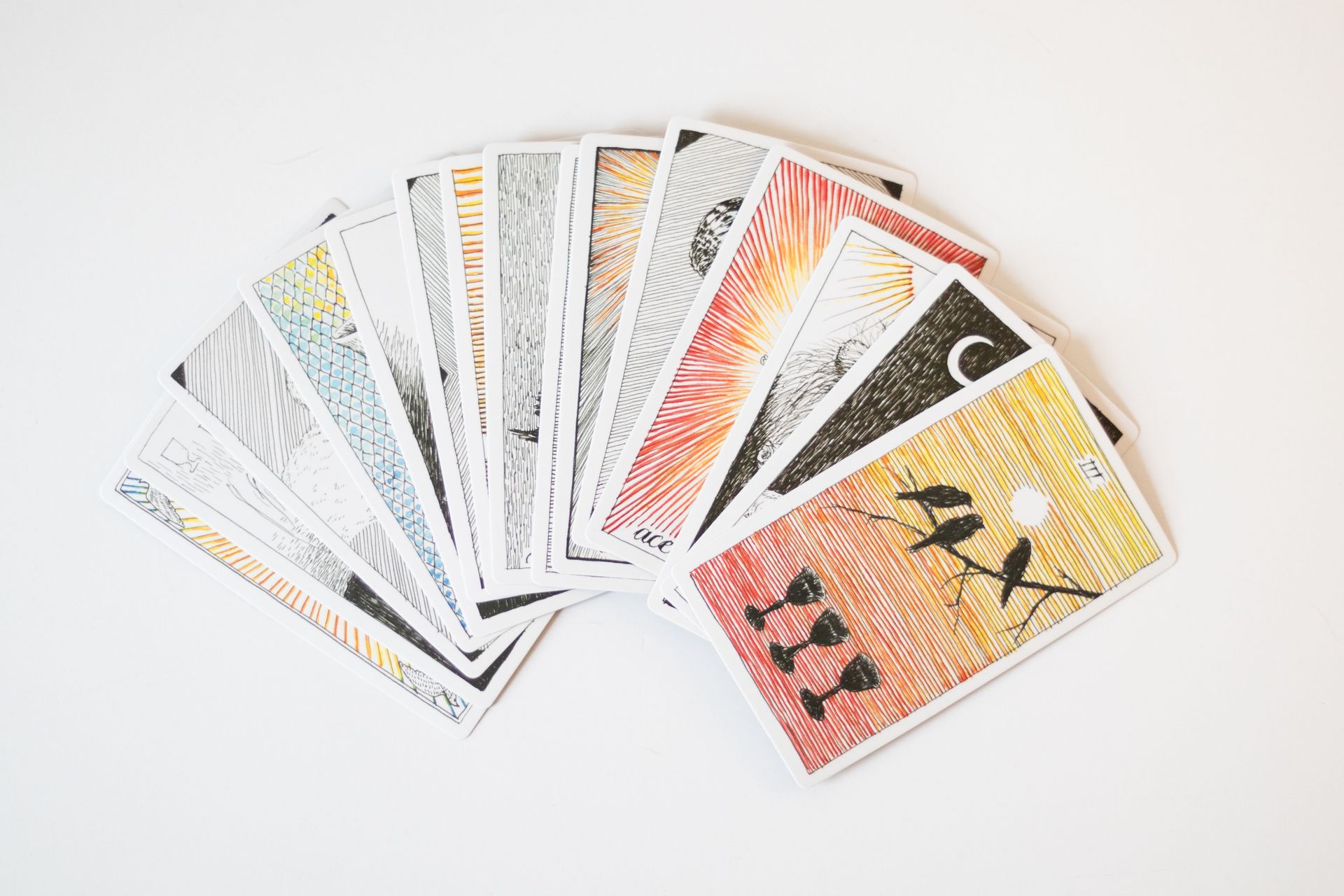
How to Choose Your First Tarot Deck (Without Overthinking It)
The best first tarot deck for most people is the Rider-Waite-Smith deck, or any deck built on it, because every card shows a full scene you can actually read. And no, you don't have to wait for someone to gift it to you. That old rule is folklore, not a requirement. Choosing your first deck really comes down to three things: readable art, the standard 78-card structure, and a style you genuinely want to look at every day.
If you've been circling the same beginner questions, this guide answers them in order, from the "can I buy my own?" myth to what to actually do the day your cards show up.
What You'll Learn
Can You Buy Your Own Tarot Deck?
Yes. You can absolutely buy your own tarot deck. The idea that your first deck has to be a gift is one of the most repeated pieces of tarot lore, and there's no rule, tradition, or history that actually requires it.
Nobody's sure where the myth started. Some people trace it to a time when decks were expensive and hard to find, so gifting one was simply a kind gesture. Others think it was a bit of gatekeeping that got passed down until it sounded like a law. Either way, it stuck around because it sounds mystical, not because it's true.
Here's the honest version: the deck you choose yourself is often the one you connect with fastest, because you picked the art, the mood, and the theme that already speak to you. Waiting for someone to guess your taste can leave you with a deck you never reach for. If a friend surprises you with one, wonderful. If not, buy the deck that makes you want to pull a card. That's the whole rule.
What Makes a Tarot Deck Beginner-Friendly
A standard tarot deck has 78 cards: 22 Major Arcana (the big life themes like The Fool, The Lovers, and The Tower) and 56 Minor Arcana split into four suits of cups, wands, swords, and pentacles. When you're learning, you want a deck that keeps that full structure instead of trimming or renaming cards, so any book, app, or article you read still matches what's in your hands.
Beyond the count, four things make a deck easy to learn on:
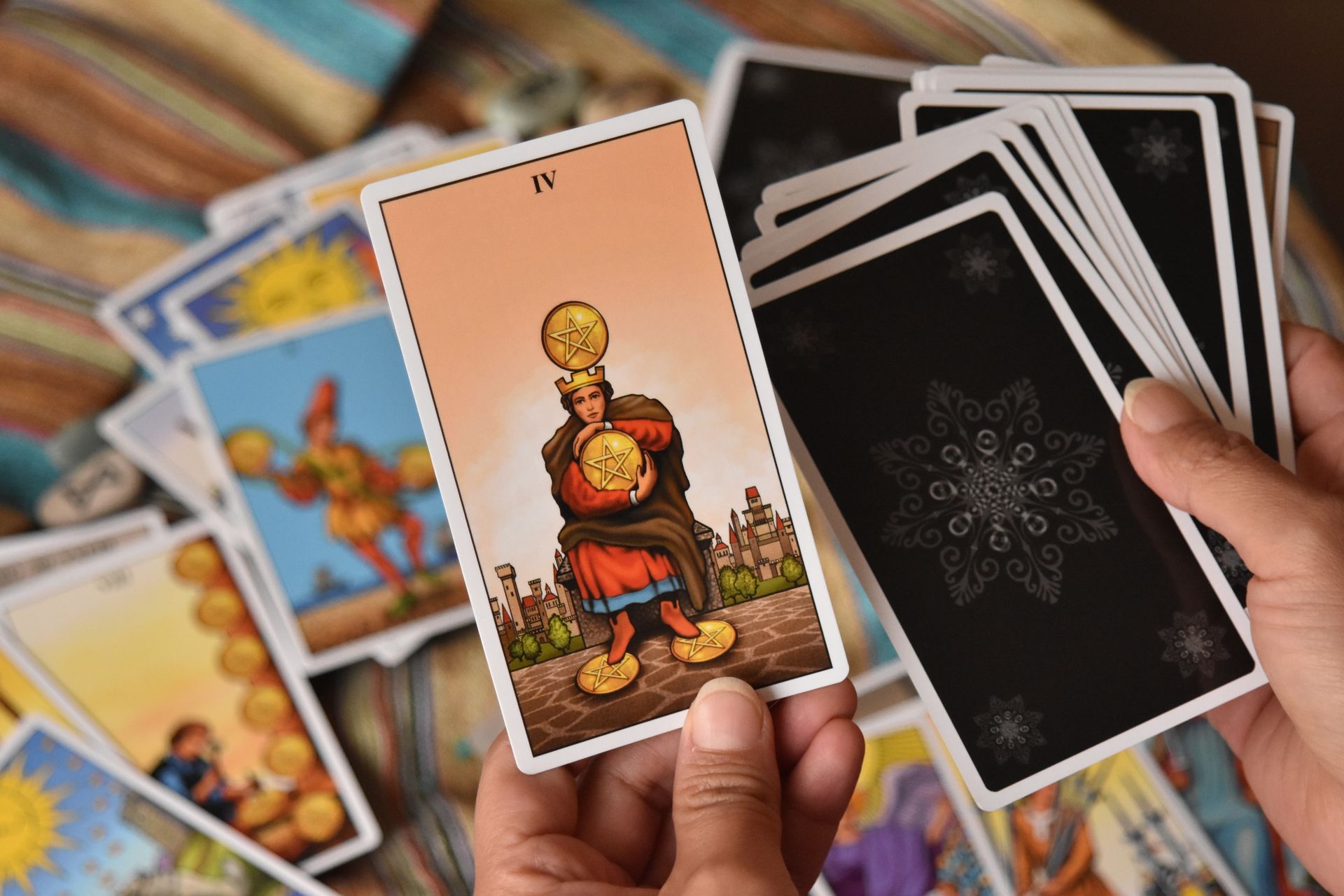
A hand holding a fully illustrated Rider-Waite-Smith style tarot card above a fanned deck, showing why scenic cards are easier for beginners to read
If you want a fuller breakdown of the four suits before you buy, our guide to what the tarot suits mean walks through cups, wands, swords, and pentacles one at a time.
Why the Rider-Waite-Smith Deck Is Best for Beginners
The Rider-Waite-Smith deck (first published in 1909, illustrated by Pamela Colman Smith under the direction of Arthur Edward Waite) is the deck most teachers point new readers toward, and for one very practical reason. It was the deck that gave every single card a full illustrated scene, including the minor arcana. Before it, most decks showed the numbered cards as plain arrangements of the suit symbol, which meant you had to memorize meanings cold.
With Rider-Waite-Smith, the Three of Swords literally shows a heart pierced by three swords under a stormy sky. You can feel the heartbreak before you read a word about it. That built-in visual storytelling is why so many books, courses, and free resources use its imagery as the standard reference. Learn on this system and almost everything you read online will line up with your cards.
You don't have to use the original 1909 printing. Plenty of modern decks are "RWS-based," meaning they keep the same 78 cards and the same scenes but redraw them in a fresh art style. Those count too. The point is the framework, not the exact colors. Once you're comfortable, our beginner's guide to reading tarot cards shows you how to turn those scenes into a real reading.
Tarot Deck vs Oracle Deck: What's the Difference?
This trips up almost every beginner in the shop, because they sit on the same shelf. A tarot deck follows that fixed 78-card system with major and minor arcana. An oracle deck follows no fixed structure at all. It might have 30 cards, or 44, or 60, each one built entirely around whatever theme the creator chose, like moon phases, animal guides, or affirmations.
Neither is better, they're just different tools. Tarot has a shared language, so the skills and meanings you learn carry across every tarot deck you ever own. Oracle decks are more free-form and intuitive, which some readers love and others find too loose when they're still learning.
For your first purchase, a tarot deck gives you more to build on because the structure is consistent. You can always add an oracle deck later. If oracle cards are calling to you, our guide to reading oracle cards for beginners covers how those work on their own terms.
Beginner-Friendly Decks Worth Considering
You don't need a specific brand to start, but a few directions make life easier:
The trap to avoid is buying a deck purely because it's beautiful on the box, then opening it to find bare pip cards you can't read yet. Gorgeous is great. Gorgeous and readable is better.
Decks to Skip When You're Just Starting Out
A few respected decks are wonderful once you have experience, but they make the learning curve steeper. It's worth knowing which ones to save for later.
The Thoth deck (created by Aleister Crowley and painted by Lady Frieda Harris) is rich and layered, but its minor arcana lean on abstract designs and keywords rather than full storytelling scenes. The Tarot de Marseille, an older European style, uses non-illustrated pip cards, so the Five of Cups is just five cups, with no scene to read from. Both reward deep study, and neither is a great place to build your first instincts.
Also be cautious with heavily reimagined "art decks" that rename cards, drop cards, or reshuffle the suits. They can be stunning, but when your deck doesn't match any guide you're reading, learning gets frustrating fast. Save the wild, experimental decks for your second or third purchase, once the standard meanings live in your head.
Where to Buy Your First Tarot Deck
You've got more options than the mall bookstore of a decade ago. Major online retailers carry nearly every mainstream deck, usually with reviews and clear photos of several cards, which helps you check whether the art actually works for you. Local metaphysical shops and independent bookstores are worth a visit too, because some let you flip through a sample deck before you commit, and there's something to be said for holding the cards first.
For indie and artist-made decks, creator websites and craft marketplaces are the place to look, though those often cost more and sell out in limited runs. A solid first deck usually runs somewhere in the modest range of a hardcover book, not a splurge. If you're on a tight budget, plenty of well-reviewed RWS-based decks are affordable, so price is rarely a reason to wait.
What to Do When Your New Deck Arrives
Opening a new deck is half the fun, so slow down and enjoy it. Take the cards out and go through them one by one, in order, front to back. You'll notice the art, spot cards that jump out, and start building a first impression of the whole deck before you ever do a reading.
Many readers like to cleanse a new deck to clear the "store energy" and make it feel like theirs. That can be as simple as knocking on the deck, passing it through incense or sound, or resting a selenite stick on top overnight. Our guide to cleansing and charging your tarot cards covers a few gentle methods.
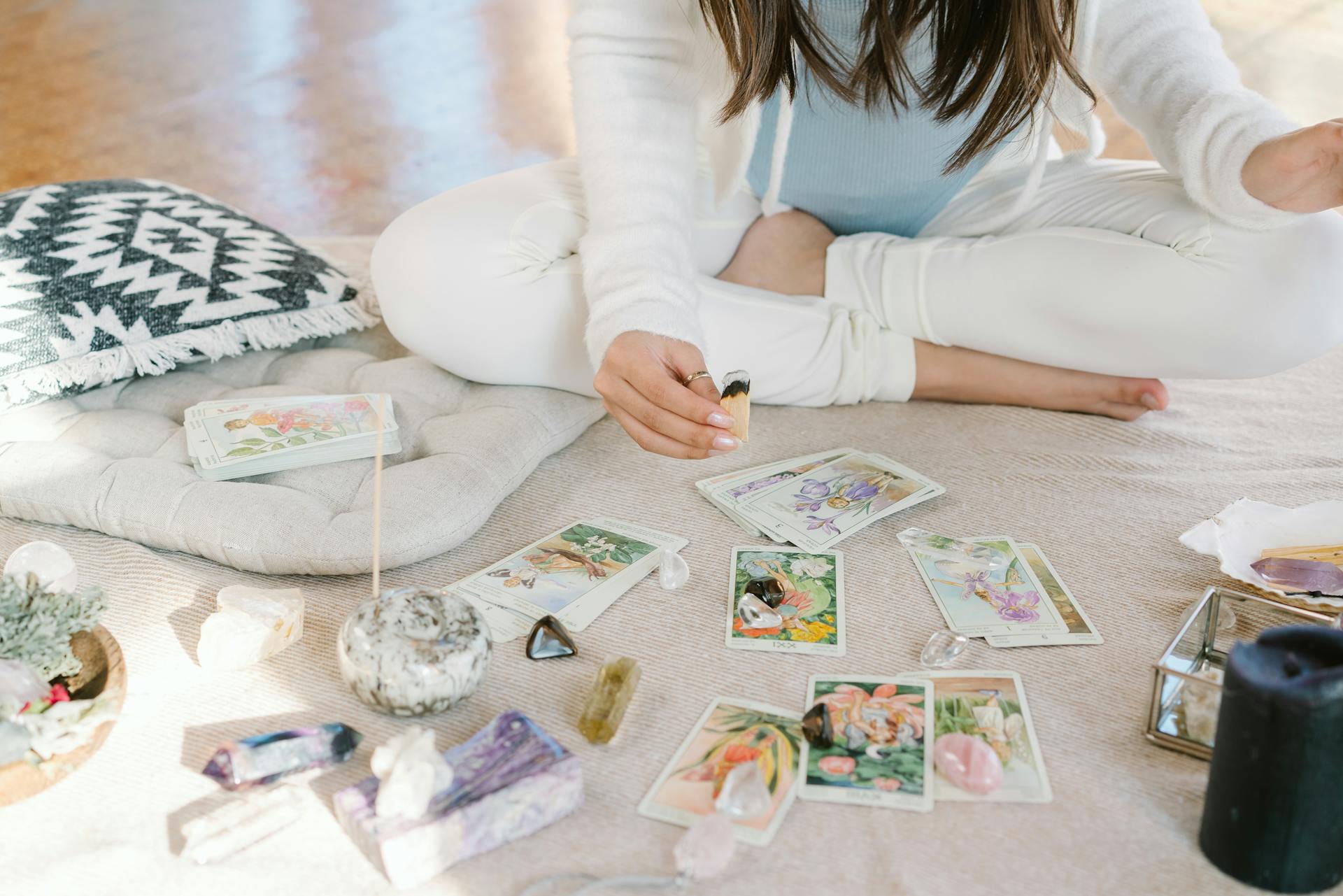
A tarot deck resting beside a candle and crystals, a simple way to cleanse and bond with a new deck
Then pull one card. Just one. Ask something open, like "What do I need to see today?", and sit with whatever comes up. A daily one-card habit is the fastest way to actually learn, and our daily tarot practice guide shows you how to keep it going.
How to Know a Deck Is Right for You
Here's the quiet truth underneath all the tips: the "right" deck is mostly the one you'll actually use. A technically perfect deck that sits in a drawer teaches you nothing. A slightly imperfect deck you reach for every morning will make you a reader.
So trust your reaction. Flip through the sample cards and notice your body. Do you lean in, or do you feel nothing? Does the art make you curious about the story on each card? That pull matters more than any rulebook, because tarot works through your intuition, and a deck you connect with makes that connection easier.
And you're not locked in. Most readers end up with several decks over time, each for a different mood or purpose. Your first deck doesn't have to be your forever deck. It just has to be the one that gets you shuffling. When you're ready to lay out your first spread, our tarot reading is a simple way to practice, and if you're curious how tarot pairs with your birth chart, our natal chart reading is a natural next step.
Frequently Asked Questions
Can you buy your own tarot deck, or does it have to be gifted?
You can buy your own. The "it must be gifted" idea is folklore with no real basis in tarot history or tradition. Many readers say the deck you choose yourself is the one you bond with fastest, because you picked art and a theme that already resonate.
What is the best tarot deck for beginners?
The Rider-Waite-Smith deck, or any RWS-based deck, is the most beginner-friendly choice because every card is fully illustrated and it matches nearly every guide and course you'll read. That shared visual language makes learning far smoother.
How many cards should a tarot deck have?
A standard tarot deck has 78 cards: 22 Major Arcana and 56 Minor Arcana across four suits. If a deck has a very different count, it's likely an oracle deck rather than a traditional tarot deck.
What's the difference between a tarot deck and an oracle deck?
Tarot follows a fixed 78-card structure, so skills carry across every tarot deck. Oracle decks have no set structure, card count, or system, and each one is built around its creator's theme. Tarot is usually the better first deck because it gives you a consistent framework to learn.
Do I need to cleanse a new tarot deck before using it?
It's optional, not required. Many readers cleanse a new deck to clear residual energy and make it feel personal, using incense, sound, moonlight, or a selenite stick. If that doesn't appeal to you, going straight into daily one-card pulls is perfectly fine.
Bringing It Together
Choosing your first tarot deck is simpler than the internet makes it sound. Buy it yourself if you want to, pick a fully illustrated deck that keeps the standard 78 cards, and lean toward the Rider-Waite-Smith system so your cards match what you're learning. Then let your own reaction to the art make the final call.
Once your deck is in hand, start small and stay consistent. Pull a card a day, get curious about the scenes, and let your tarot reading practice grow from there. When you want to go deeper into how tarot and astrology speak to each other, your natal chart is a great place to begin.