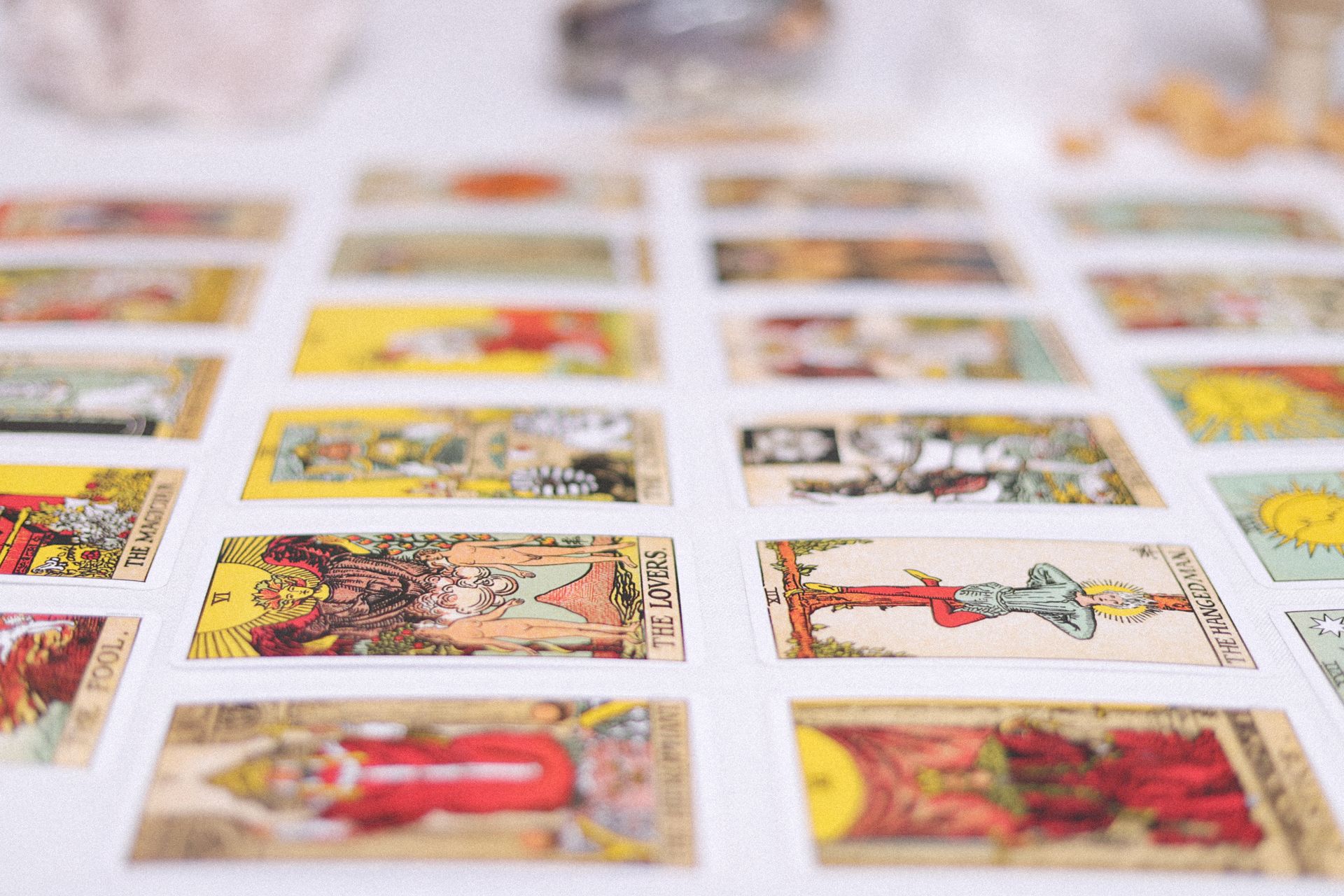
Oracle Cards for Beginners: How to Read Them and How They Differ From Tarot
Oracle cards are a deck of illustrated cards used for guidance, reflection, and intuitive readings, with no fixed number of cards and no rigid structure to memorize. That freedom is exactly what makes them one of the friendliest places to start if you're new to divination. Where tarot hands you a 78-card system with set suits and traditional meanings, an oracle deck might hold 36 cards or 60, each carrying its own theme, keyword, or message printed right on the card. You pull a card, read what it says, and let your intuition fill in the rest.
That simplicity is the whole appeal. You don't need to study for months or carry a reference book to get something meaningful out of a reading. This guide covers what oracle cards are, how they work, how they differ from tarot, how to choose your first deck, and how to actually read them, plus a few beginner spreads and the care habits that keep your deck feeling clear. If you're weighing oracle against the more structured option, our beginner's guide to reading tarot is a useful companion, and the introduction to tarot breaks down the system oracle cards deliberately leave behind.
What You'll Learn
A vibrant spread of illustrated oracle and tarot cards laid out on fabric for an intuitive reading, representing oracle cards for beginners
What are oracle cards?
Oracle cards are a deck of cards, each one carrying an image and usually a word, phrase, or short message meant to spark insight and guidance. Unlike tarot, there's no standard format. A deck might focus on affirmations, moon phases, animal spirits, angels, goddesses, chakras, or pure abstract art, and the creator decides how many cards it holds and what each one means. That's why two oracle decks can look and feel completely different from each other.
The cards work as a mirror for your intuition rather than a fixed code to decipher. Most modern decks come with a guidebook that explains the intended meaning of each card, but the printed keyword and the artwork usually tell you enough to start. Because a deck is built around a single theme, the messages tend to feel direct and encouraging, which is part of why oracle cards have become so popular for daily guidance, journaling, and meditation. If you like the idea of cards but want something with a defined history and structure, the Lenormand system sits between oracle and tarot in complexity.
How do oracle cards work?
Oracle cards work by giving your intuition a focal point. You hold a question or an open intention in mind, shuffle the deck, and draw one or more cards. The image and message you pull become a prompt, something to reflect on in relation to whatever you asked. The card doesn't predict a fixed future so much as it surfaces a perspective, a reminder, or a nudge you might not have reached on your own.
There's no supernatural claim you have to accept to find them useful. Many people treat oracle cards as a structured way to slow down and listen to their own inner knowing, the same way journaling or meditation works. The act of pulling a card interrupts autopilot thinking and invites you to consider your situation from a fresh angle. Whether you read that as spiritual guidance, intuition, or simple self-reflection, the mechanism is the same. The card gives your mind a doorway, and you walk through it. That intuitive muscle is the same one a daily card practice is designed to build over time.
Oracle cards vs tarot: what's the difference?
The biggest difference is structure. Tarot is a fixed 78-card system split into 22 Major Arcana cards and 56 Minor Arcana cards organized into four suits, and those cards carry centuries of established meaning. Oracle decks have no set number of cards, no suits, and no universal meanings. Each deck is its own self-contained world, which means the learning curve resets every time you pick up a new one, but it also means there's far less to memorize at the start.
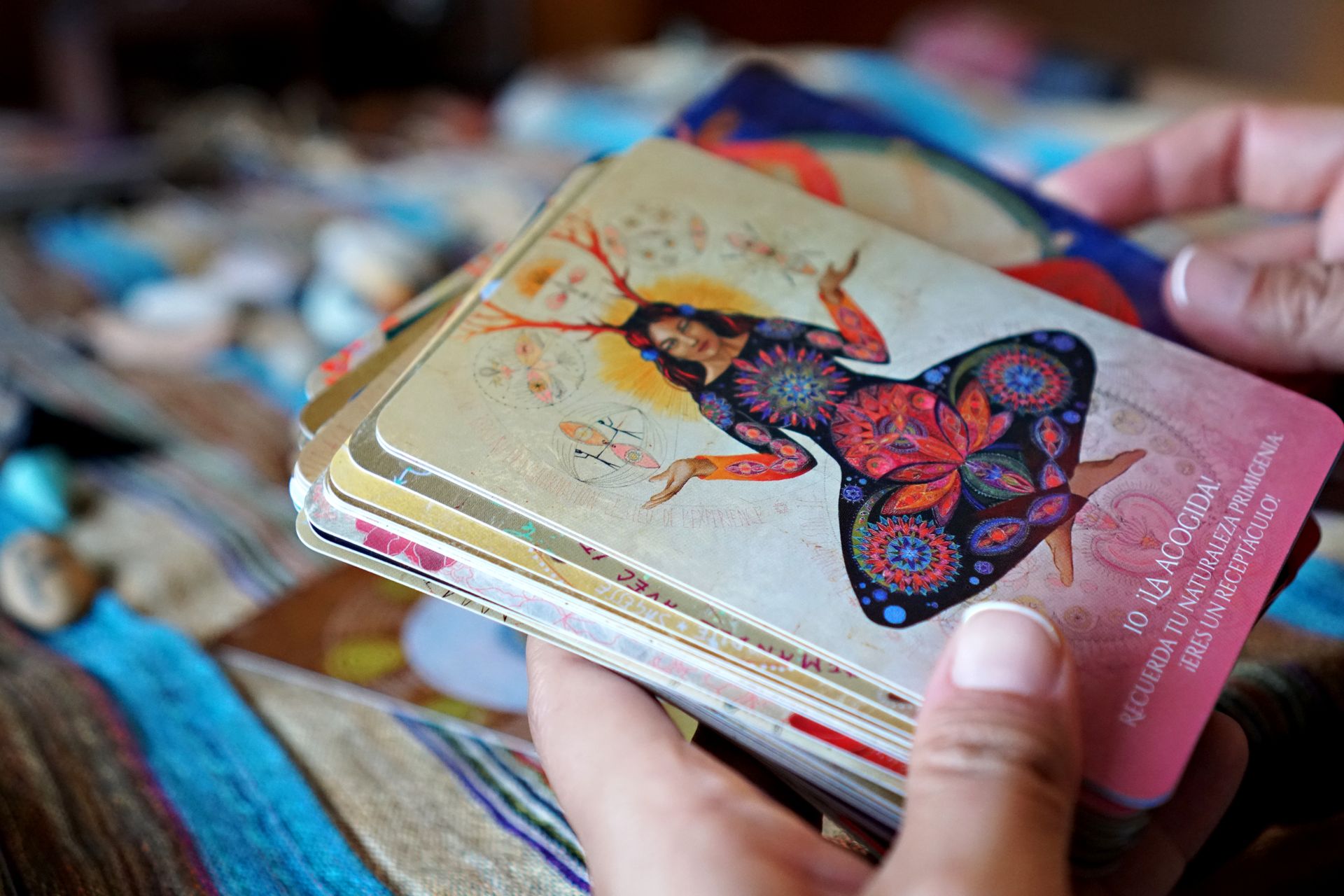
Colorful illustrated cards held in diverse hands, comparing oracle cards and tarot for a beginner reading
Here's how the two compare for a beginner:
Neither tool is better. Tarot gives you precision and a shared language. Oracle gives you speed, encouragement, and flexibility. Plenty of readers use both, pulling an oracle card for the overall theme and a tarot spread for the details.
Are oracle cards easier than tarot for beginners?
Yes, oracle cards are generally easier to start with than tarot. The meanings are usually printed on the card or spelled out plainly in the guidebook, so you can pull a card and understand it immediately without memorizing a 78-card system. For someone who wants guidance today rather than after weeks of study, that head start matters.
The tradeoff is depth. Because oracle decks give broad, theme-level messages, they don't map the fine detail that a full tarot spread can. A tarot reading can show you the tension between two specific influences or the timing of a situation. An oracle card is more likely to hand you a single clear theme, like rest, courage, or release. For beginners that simplicity is a feature, not a flaw. Many readers start with oracle cards to build confidence and trust in their intuition, then move into tarot once they're ready for more structure. You can absolutely do both at once, but if you only want one place to begin, oracle is the gentler door.
How to choose your first oracle deck
The best first oracle deck is the one whose artwork and theme you genuinely connect with. Since every deck defines its own meanings, your bond with the imagery does a lot of the work. If a deck's art makes you feel calm, curious, or inspired when you look at it, you'll read it more easily and reach for it more often. Trust that pull rather than buying whatever's most popular.
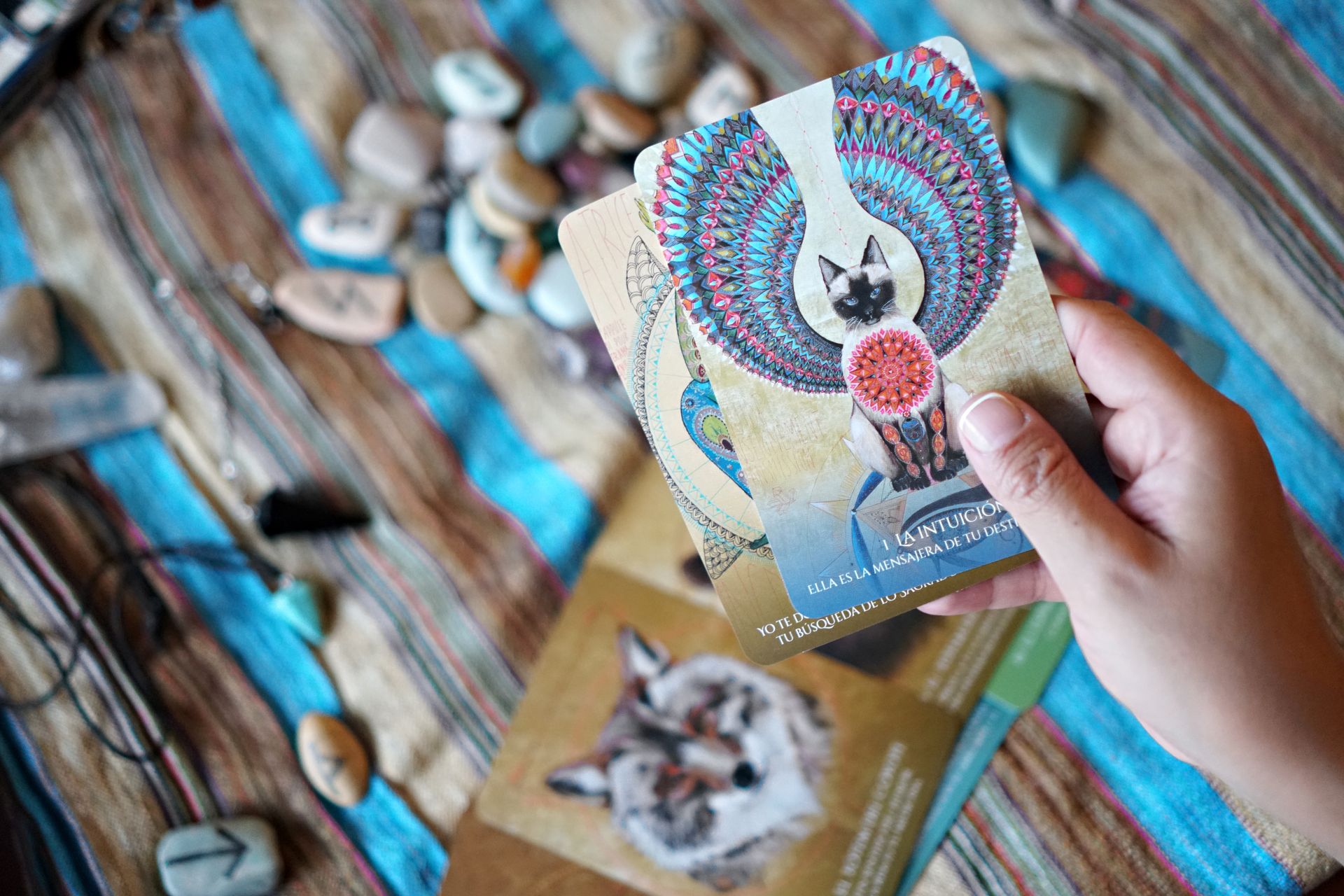
A person holding mystical illustrated cards surrounded by crystals, showing how to read oracle cards step by step
A few things to weigh as you choose:
You don't need an expensive or rare deck. A single affordable deck you love will teach you more than a shelf of decks you never bond with.
How to read oracle cards for beginners
Reading oracle cards comes down to a simple, repeatable rhythm. You don't need a ritual to make it valid, but a little intention helps you focus. Here's a beginner-friendly process you can use for any deck.
1. Set an intention or question. Keep it open. Ask "What do I need to focus on today?" rather than a yes-or-no question, since oracle cards shine at themes, not verdicts.
2. Shuffle while you focus. Hold your question in mind and shuffle until it feels right to stop. There's no correct number of shuffles.
3. Draw your card or cards. Pull from the top, fan the deck and pick what draws your eye, or use a card that jumps out while shuffling. Any method works.
4. Look at the image first. Before reading the keyword, notice your gut reaction to the artwork. What stands out, and how does it make you feel?
5. Read the keyword and guidebook. Add the printed message and the guidebook meaning to your first impression.
6. Connect it to your question. Ask how this theme applies to what you wanted guidance on. That bridge is the actual reading.
7. Write it down. Jot the card and your takeaway in a journal so you can see patterns over time.
The most important move is letting your intuition speak before you reach for the book, then using the book to round out the picture. Over time you'll lean on the guidebook less and your own reading more. This is the same intuitive habit that powers a tarot practice, and the two skills reinforce each other.
Simple oracle card spreads to start with
You don't need elaborate spreads to get value from oracle cards. In fact, single-card pulls are where most readers spend the majority of their time. As you grow comfortable, a few small spreads add structure without overwhelming you.
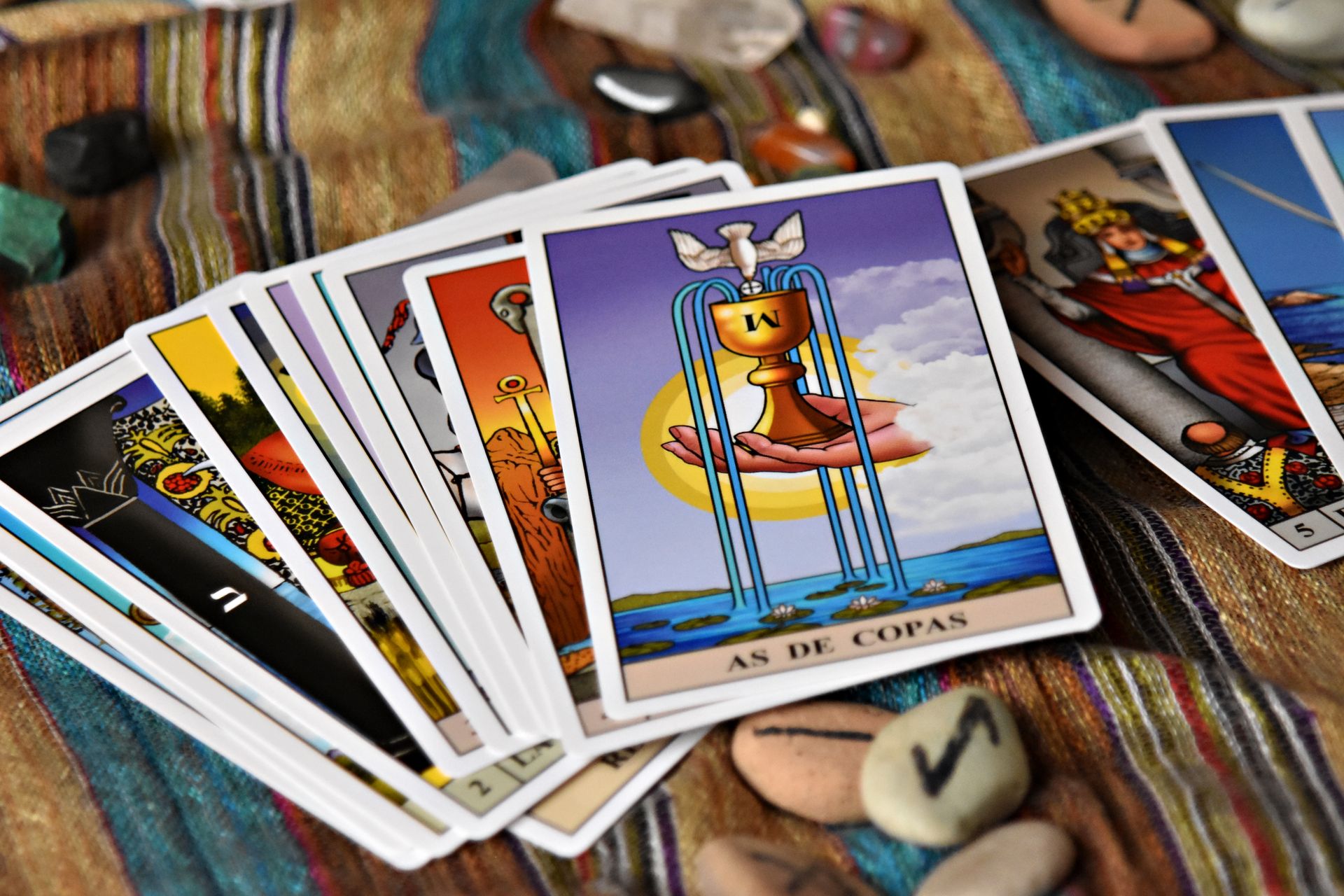
A set of oracle cards spread across patterned fabric beside crystals, illustrating simple beginner card spreads
Start with the daily one-card pull and stay there until it feels natural. The bigger spreads will make more sense once single cards feel easy to interpret.
How to cleanse and care for your oracle cards
Cleansing your oracle deck is about resetting its energy and your relationship to it, especially after a heavy reading or when the deck has sat unused. The methods are the same ones tarot readers use, so if you keep both, one routine covers everything. Our full guide to cleansing and charging your cards goes deeper, but the basics are simple.
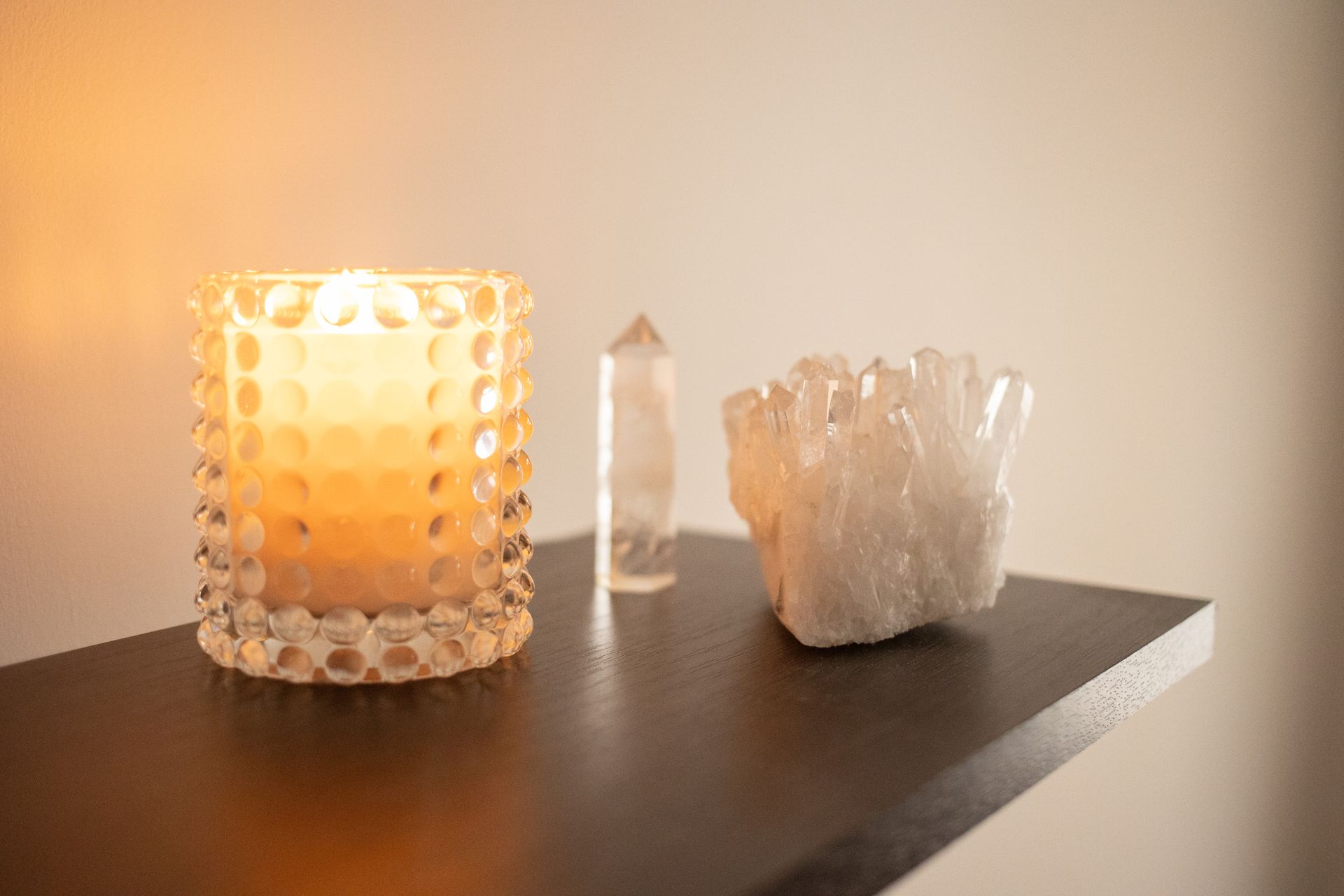
A warmly lit candle and crystals on a wooden shelf, representing how to cleanse and care for oracle cards
Common ways to cleanse an oracle deck include passing it through cleansing smoke, setting a clear quartz or selenite crystal on top of the stack, knocking or tapping the deck to clear the previous reading, leaving it in moonlight overnight, or simply shuffling with the intention of resetting it. None of these is required, and you don't need to cleanse after every single pull. Most readers do it when a deck feels stale, after an emotionally intense reading, or when someone else has handled the cards.
Beyond cleansing, basic care keeps a deck in good shape. Store it somewhere it won't get bent or damp, keep the guidebook with the cards, and handle it in a way that feels respectful to you, whether that's wrapping it in cloth or keeping it in a dedicated box. The point isn't strict rules. It's treating the deck as a tool you want to stay connected to.
Common beginner mistakes to avoid
The most common mistake beginners make is over-relying on the guidebook and ignoring their first reaction to the card. The guidebook is a helpful reference, but oracle cards are built for intuition. If you read the artwork and feel one thing, then read the book and override yourself completely, you're skipping the part that makes oracle reading work. Let your impression and the book meet in the middle.
A few other pitfalls trip up new readers. Asking yes-or-no questions sets oracle cards up to disappoint, since they're built for themes and reflection, not verdicts. Pulling card after card for the same question rarely gives clarity and usually just muddies it, so trust your first pull and sit with it. And treating every reading as a fixed prediction misses the point, since oracle cards offer perspective and guidance you can act on, not a sealed fate. If you want a tool better suited to direct yes-or-no answers, a pendulum is a cleaner fit. Keep your questions open, trust your intuition, and let the cards be a conversation rather than a courtroom.
Frequently asked questions
What are oracle cards used for?
Oracle cards are used for guidance, reflection, daily intention-setting, journaling, and meditation. You pull a card to get a theme or message to focus on, then connect it to your situation. They're popular for self-reflection because they surface a fresh perspective without requiring you to memorize a fixed system.
What's the difference between oracle cards and tarot cards?
Tarot is a fixed 78-card system with set suits and standardized meanings, while oracle decks have no fixed number of cards, no suits, and unique meanings defined by each deck's creator. Tarot offers detail and structure. Oracle offers simplicity and intuitive, theme-level guidance that works right out of the box.
Are oracle cards good for beginners?
Yes. Oracle cards are one of the easiest divination tools to start with because the meanings are usually printed on the cards or explained plainly in the guidebook. There's no large system to memorize, so beginners can pull a card and get something meaningful right away while building trust in their intuition.
Do oracle cards have reversals?
Most oracle decks are read upright only, unlike tarot where reversed cards are common. A few decks do use reversals, and the guidebook will say so if they do. As a beginner, it's perfectly fine to read every oracle card upright and add nuance later if you choose.
How often should you cleanse oracle cards?
There's no set schedule. Most readers cleanse a deck when it feels stale, after an emotionally intense reading, or when someone else has handled it. You don't need to cleanse after every pull. Cleansing methods include moonlight, crystals, cleansing smoke, or simply shuffling with the intention to reset.
Bringing it all together
Oracle cards are the gentlest entry point into card reading because they hand you the meaning and let your intuition do the rest. There's no 78-card system to memorize, no suits to learn, and no single right way to read them. Pick a deck whose art you love, pull one card a day, trust your first impression before you reach for the guidebook, and let the practice grow from there. As your confidence builds, you may add tarot for depth or keep oracle cards as your daily check-in. Either way, the skill you're really developing is learning to listen to yourself.
Ready to try a reading right now? Pull a free tarot reading to see the more structured side of card reading, or map the bigger picture with a free natal chart and see how the stars line up with the messages you're drawing.