Opal Meaning: Healing Properties, Uses, and How to Care for It
Opal means inspiration, emotion, and creativity, and it's long been called a stone that amplifies whatever you already carry inside. Tilt a good piece toward the light and you'll understand the fascination: flecks of blue, green, orange, and pink seem to swim just under the surface and shift as you move, like a whole sky folded into one small stone. That changing color is why people have prized opal for thousands of years, and it's also why opal picked up one of the strangest reputations in the crystal world, the myth that it brings bad luck. It doesn't, and I'll get to where that story came from.
This guide breaks down what opal means, its traditional healing properties, how it connects to your chakras and zodiac sign, the main types you'll come across, the truth behind the bad-luck superstition, and the care it needs so it doesn't crack or lose its fire.
What You'll Learn
What Does Opal Mean?
Opal means inspiration, emotional expression, and creative fire. Where a grounding stone steadies you, opal is meant to stir things up, drawing out feelings, ideas, and desires so you can see them and act on them. Its old nickname is the stone of amplification, because it's believed to take whatever mood or trait you bring to it and turn up the volume. That cuts both ways, which is part of why traditions treat it as a stone for people who are ready to feel more, not less.
Here's an honest bit of geology that most crystal guides skip. Opal isn't a crystal in the strict sense. It's a mineraloid, a hardened gel of silica and water with no repeating internal structure, unlike quartz or amethyst. It's usually 3 to 10 percent water by weight, and that water is the source of both its beauty and its fragility. The play-of-color you see in precious opal comes from microscopic spheres of silica stacked in an orderly grid, which split light into its colors the way a soap bubble does. Common opal lacks that ordered structure, so it shows color but no flashing fire.
Opal sits at about 5.5 to 6.5 on the Mohs hardness scale, softer than quartz, and it can dry out and craze into fine cracks if it's treated roughly. The name likely traces back through the Latin opalus and Greek opallios to the Sanskrit upala, which simply meant precious stone. If you're just starting a collection, our beginner's guide to healing crystals covers how to choose and care for your first stones.
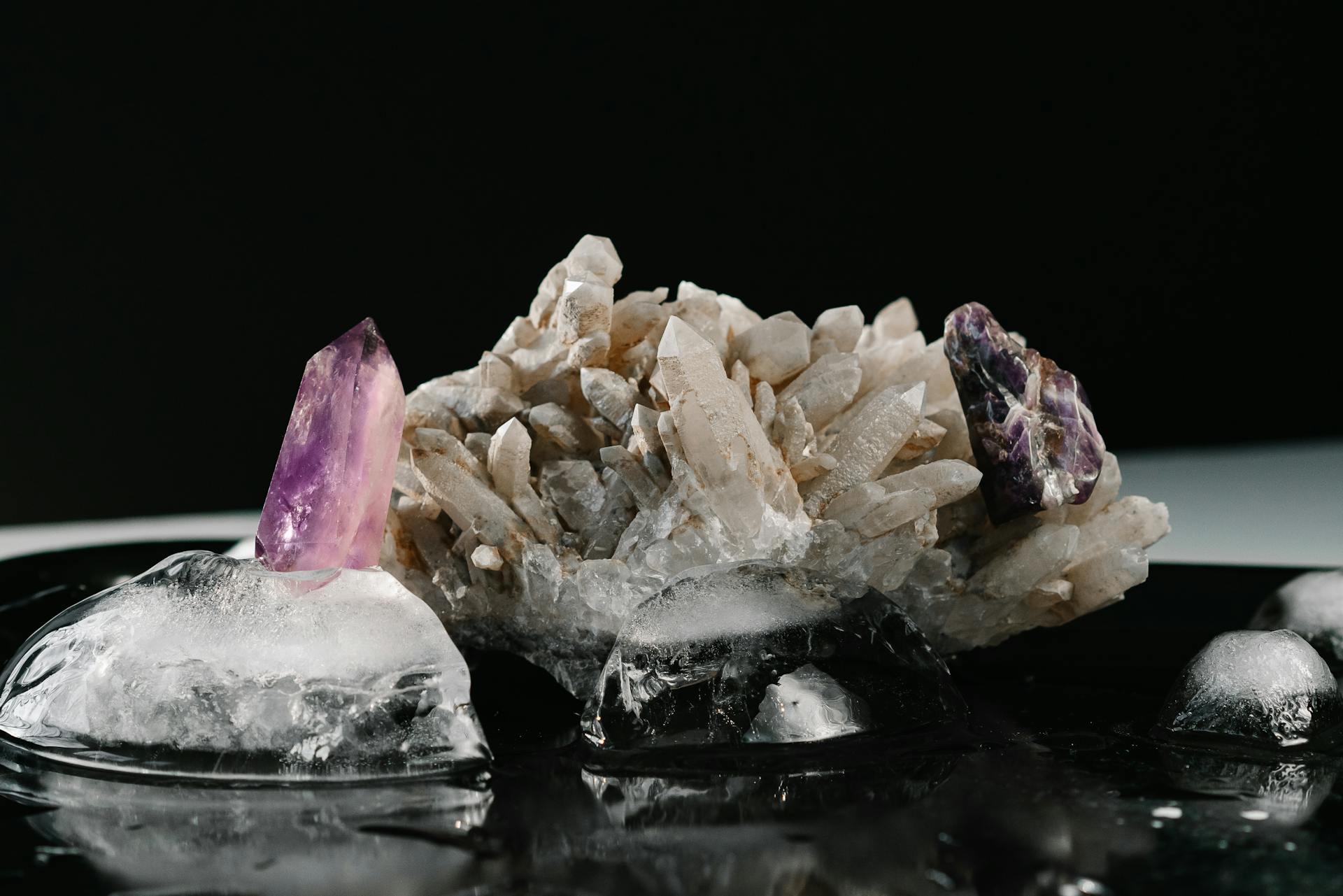
An assortment of birthstone crystals arranged on a dark surface
Opal Healing Properties and Benefits
Opal is best known as an emotional amplifier, a stone people reach for when they want to feel their feelings fully instead of pushing them down. In crystal healing traditions it's used to loosen stuck emotions, spark creativity, and bring a bit of spontaneity back to someone who's gone flat or overly cautious. None of that replaces medical or mental health care, and opal won't fix a hard week on its own. What it can do is act as a small, bright reminder to let yourself feel and create.
Here are the benefits people most often turn to opal for:
Treat these as intentions you set with the stone rather than promises it keeps. Opal gives your feelings a visible anchor, and your own attention does the rest.
What Does Opal Do Spiritually?
Spiritually, opal is seen as a mirror stone. Because it's thought to amplify whatever you carry, it tends to reflect your inner state right back at you, which makes it a favorite for emotional honesty and shadow work. Sitting with an opal and noticing what rises can be a gentle way to meet the parts of yourself you usually rush past. If that resonates, our guide to shadow work by zodiac sign is a natural next read.
Opal also has a long link to vision and imagination. The Romans connected it to the eyes and to foresight, and later folklore tied it to prophecy and dreams. Many people keep a piece nearby during creative work or meditation to soften the inner critic and let images and ideas come through on their own. Its watery, ever-shifting nature suits intuitive practice, where the goal is to loosen your grip and let impressions surface.
Because opal comes in so many colors, it's often chosen to match a specific intention. A fiery orange stone for passion and drive feels different from a milky blue one for calm expression, and part of working with opal is trusting which color pulls at you.
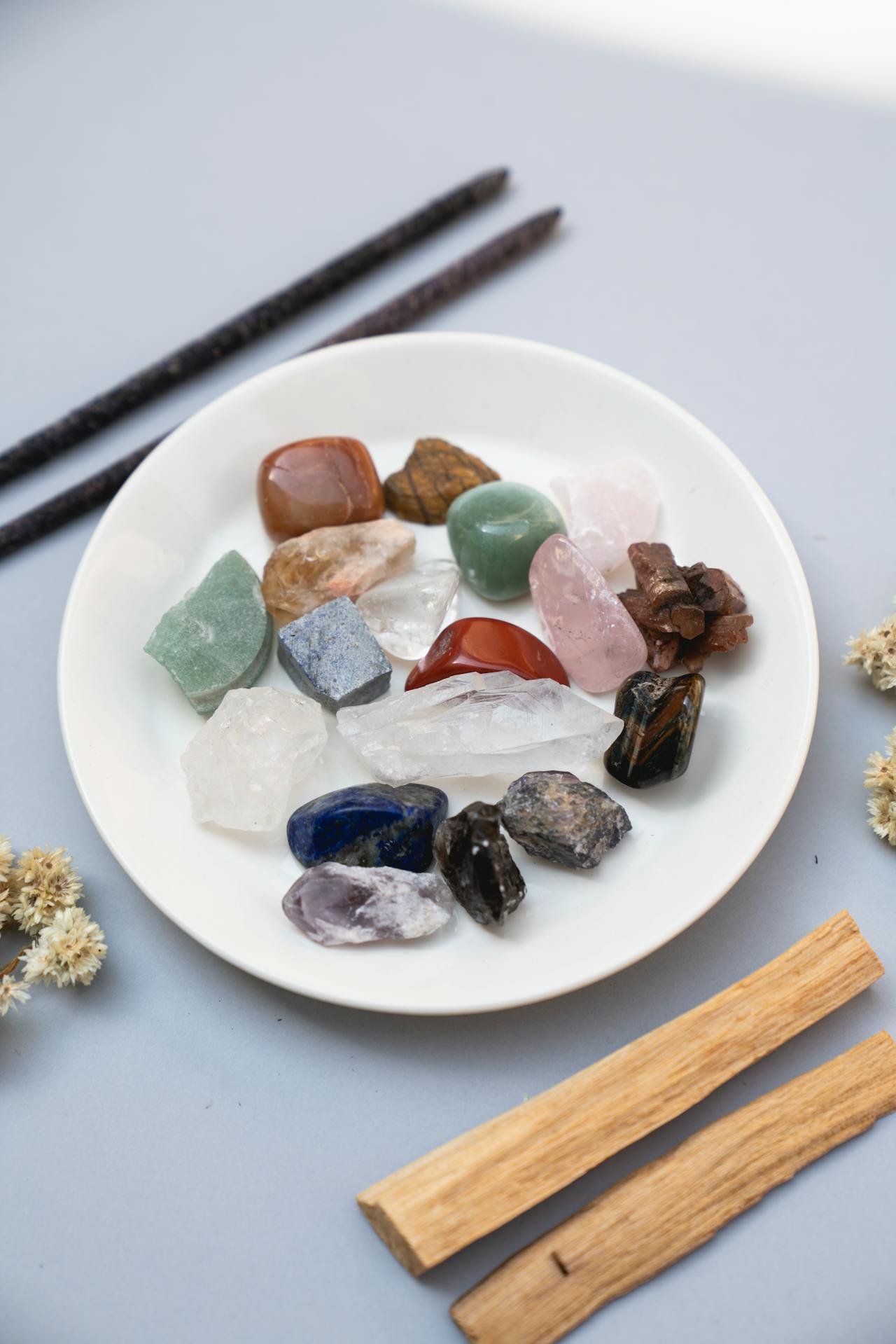
A collection of polished healing crystals gathered for meditation
Opal and the Chakras
Opal is unusual because it doesn't belong to one chakra. Its color decides where it works, so a single stone type can support very different energy centers depending on the piece in your hand.
White and crystal opal, with their pale flashing light, suit the crown and third eye chakras up top, the centers of insight and spiritual connection. Fire opal, warm and orange, speaks to the sacral chakra below the navel, home of creativity, passion, and emotion, which is why it gets used for drive and desire. Blue and green opal sit naturally with the throat and heart, supporting honest expression and open feeling. To use any of them, lie down and rest the stone on the matching center during meditation, breathe slowly, and picture its color spreading through you. For the full map of your energy body, see our seven chakras guide for beginners, and for the passion side of fire opal, our sacral chakra guide goes deeper.
Crystals laid out along the body for a chakra balancing practice
Opal, the Zodiac, and the October Birthstone
Opal is the modern birthstone for October, sharing the month with tourmaline, and it's also the traditional gift for a 14th wedding anniversary. Since October opens under Libra and shifts into Scorpio, those two signs claim opal most strongly. Libra, ruled by Venus, leans on opal's beauty, balance, and love of harmony, while Scorpio connects with its depth, intensity, and pull toward transformation.
Libra is the classic match. The sign is about relationship, art, and finding equilibrium, and opal's soft, many-colored light mirrors that love of beauty and fairness. If Libra is your sun, moon, or rising, our Libra sign profile breaks down how that energy plays out. Scorpio borrows opal for a different reason, using its amplifying nature to move through strong feeling without getting stuck, and the Scorpio profile fills in that picture.
You don't have to be an October baby to wear it, though. Opal is a stone of emotion and creativity that any chart can use. For stones matched to your specific placements rather than just your sun sign, our guide to crystal healing by zodiac sign breaks it down, and the birthstones and their astrological connections guide shows how the calendar and the zodiac line up.
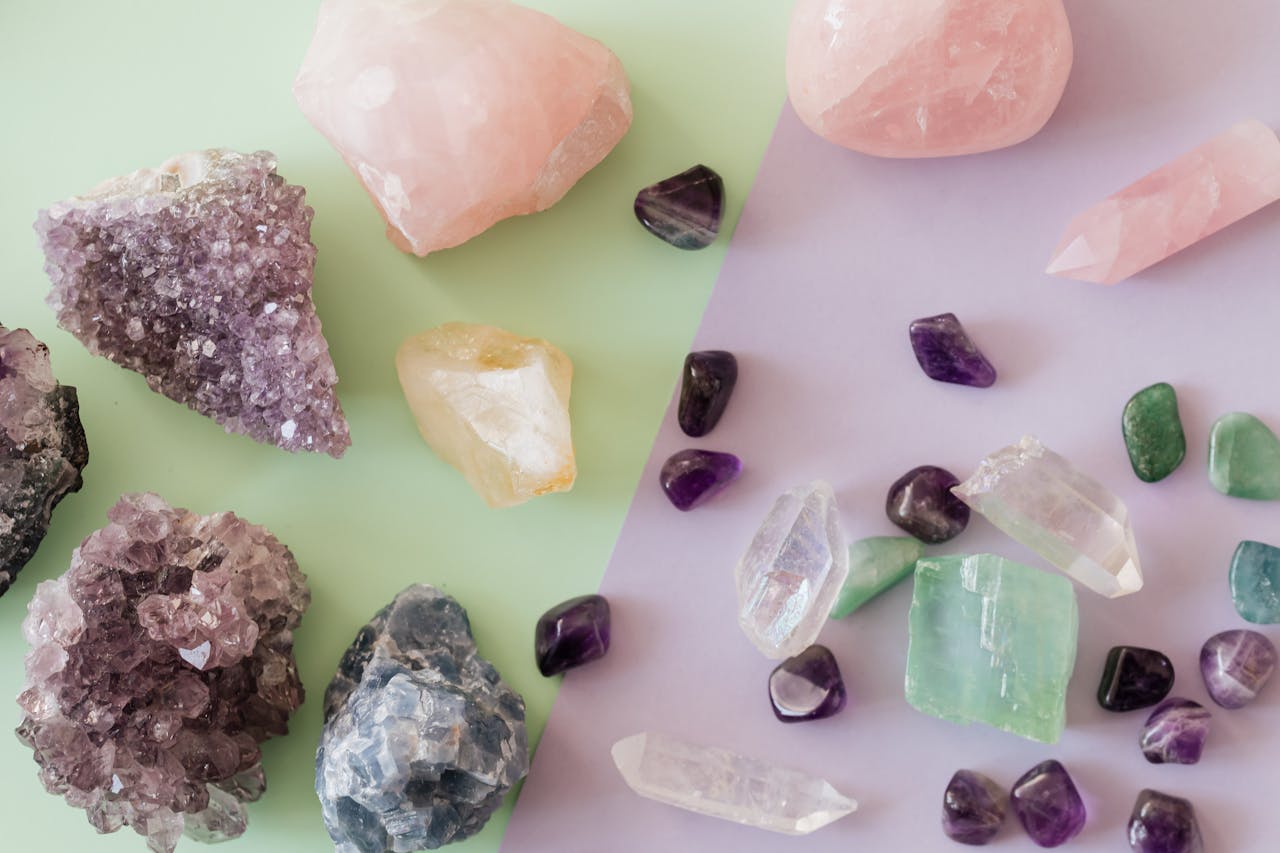
Crystals arranged with zodiac symbolism for astrological healing
Types of Opal: Precious, Fire, Black, and Common
Opal comes in more varieties than almost any gem, and knowing the difference helps you shop without overpaying or getting fooled.
None of these is the one right opal. Pick the color, fire, and price that speak to you, and let the type guide how you handle it.
Is Opal Bad Luck?
No, opal is not bad luck, and the superstition is younger than most people assume. For most of history opal was considered a stone of good fortune. Romans ranked it among the most precious gems and treated it as a symbol of hope and purity, partly because it seemed to hold the colors of every other stone at once. Medieval Europeans called it the eye stone and believed it sharpened sight and guarded it.
The bad-luck idea traces largely to a single novel. In 1829 Sir Walter Scott published Anne of Geierstein, in which an enchanted opal flashes with its owner's moods and, when a drop of holy water strikes it, loses its fire as the wearer dies soon after. The book was a hit, and opal sales across Europe reportedly fell hard in the years that followed. A soft, water-sensitive stone that could crack in a careless jeweler's hands didn't help its case either, since a cracked opal is an easy thing to blame on a curse.
So the reputation is a story, not a property of the stone. Plenty of cultures kept right on treating opal as lucky, and in metaphysical practice today it's a stone of inspiration and love, not misfortune. If you're drawn to it, wear it. The only real caution opal asks for is physical care, which is where we're headed next.
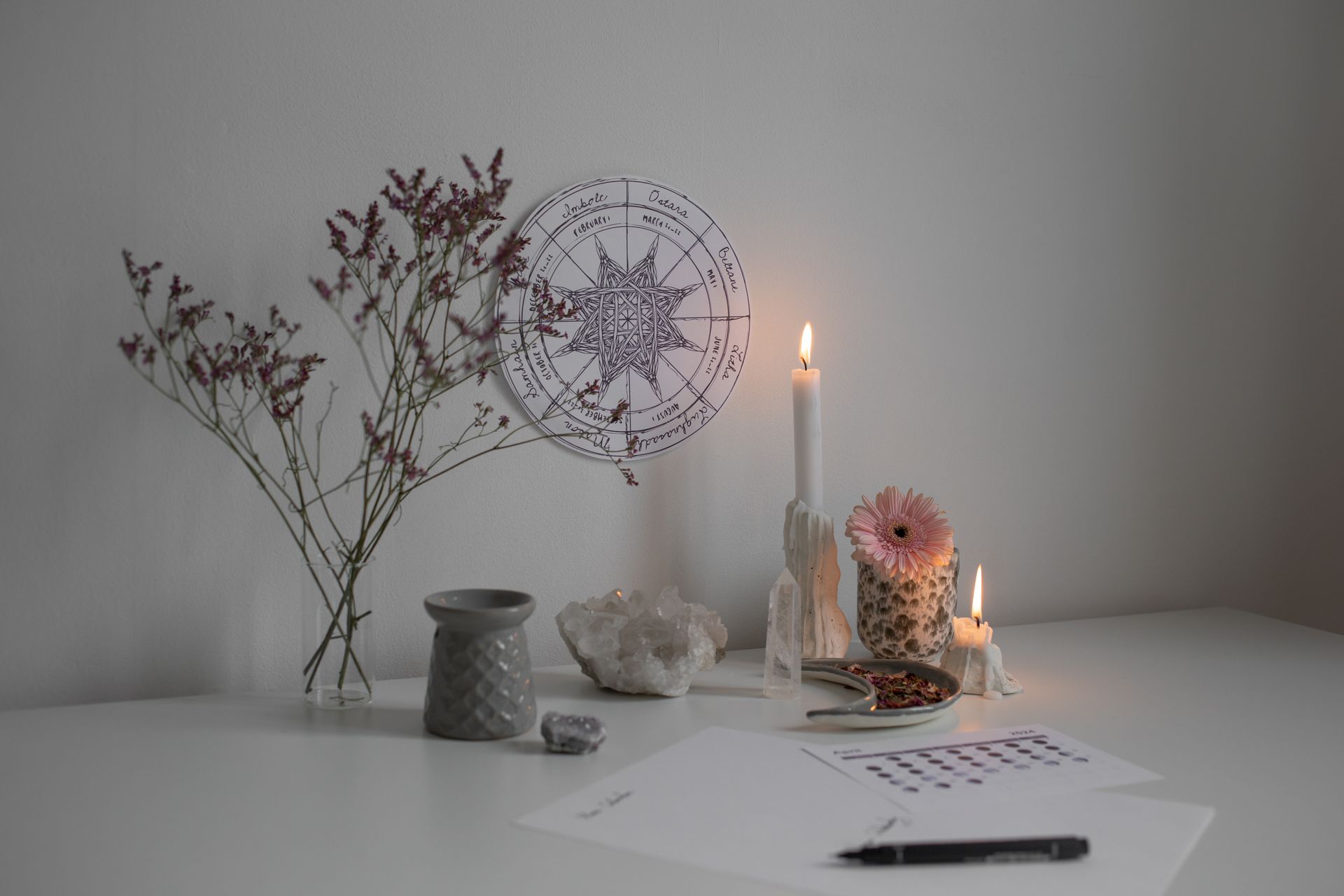
A crystal grid arranged on an altar for setting intentions
How to Use Opal
Opal is a wear-it-and-feel-it kind of stone, and most ways of using it are simple:
Because opal pairs so well with intuitive work, it sits comfortably beside other reflective stones like moonstone, another gem loved for its inner glow.
How to Cleanse and Care for Opal
Opal needs more care than most crystals, and this is the part to actually read. It's soft, it holds water, and the wrong cleaning routine can ruin a stone for good.
For metaphysical cleansing, skip water and salt, which is the opposite of the advice for a hard stone like quartz. Water is risky because hydrophane opal, including much Ethiopian opal, absorbs it and can cloud or lose its play-of-color, sometimes for weeks. Use gentle methods instead:
1. Smoke: Pass the stone through sage, palo santo, or incense smoke while you set the intention to clear it.
2. Sound: Ring a bell or play a singing bowl near the opal and let the vibration move through it.
3. Selenite: Rest your opal on a selenite plate overnight, since selenite is believed to cleanse other stones without needing water.
4. Moonlight: Set it on a windowsill overnight, especially under a full moon. Moonlight is safe where sunlight is not.
Physical care matters just as much. Keep opal out of prolonged direct sun and away from dry heat, since losing its water content is what makes an opal craze into tiny cracks. Never put it in an ultrasonic cleaner. Take opal rings off before washing dishes, swimming, or cleaning with chemicals, and store the stone separately so harder gems don't scratch it. If you own a doublet or triplet, a thin opal layer glued to a backing, keep it away from water entirely, because soaking can lift the glue. For the general rules on cleansing your other stones, our guide on how to cleanse and charge crystals covers which stones can take water and which can't.
How to Tell If Your Opal Is Real
Opal is widely imitated, so a few checks help you know what you're holding:
When in doubt, buy from a seller who can tell you the opal's origin and type, and ask directly whether it's solid, a doublet, or hydrophane so you know how to care for it.
Frequently Asked Questions
Can opal get wet?
Briefly, yes, but it's better to keep it dry. Solid opal can handle a quick splash, but hydrophane opal, including much Ethiopian opal, absorbs water and can cloud or lose its play-of-color for days or weeks. Doublets and triplets should never be soaked, since water can lift the glue. Take opal jewelry off before swimming or washing up.
Is opal bad luck?
No. Opal was considered lucky for most of history, and the bad-luck reputation mostly traces to Sir Walter Scott's 1829 novel Anne of Geierstein, in which a cursed opal loses its fire. The stone itself carries no misfortune. It's simply soft and water-sensitive, so cracked stones were easy to blame on a curse.
What is opal good for?
Opal is best known for emotional expression, creativity, and inspiration. People use it to bring buried feelings to the surface, spark the imagination, and add a little spontaneity and passion, with fire opal especially tied to courage and drive. It's also a traditional stone of love and loyalty.
What chakra is opal?
It depends on the color. White and crystal opal suit the crown and third eye, fire opal works with the sacral chakra for passion and creativity, and blue or green opal supports the throat and heart. Because opal comes in so many shades, you can match a stone to almost any energy center.
Which zodiac signs should wear opal?
Opal is the October birthstone, so Libra and Scorpio connect with it most strongly, Libra for its beauty and balance and Scorpio for its depth. That said, opal is a universal stone of emotion and creativity, so any sign drawn to it can wear it.
Bringing It Together
Opal earns its long fascination. It's soft, water-born, and endlessly colorful, with a clear meaning built around emotion, creativity, and inspiration, and a bad-luck myth that turns out to be just a story. Handle it gently, keep it out of water and harsh sun, and let it be a bright reminder to feel fully and make things. To go deeper into the emotional side it speaks to, generate your free natal chart to find the placements that shape how you feel and create, pull a tarot reading when you want guidance on a specific question, or run a compatibility report to explore the connections that matter most to you.