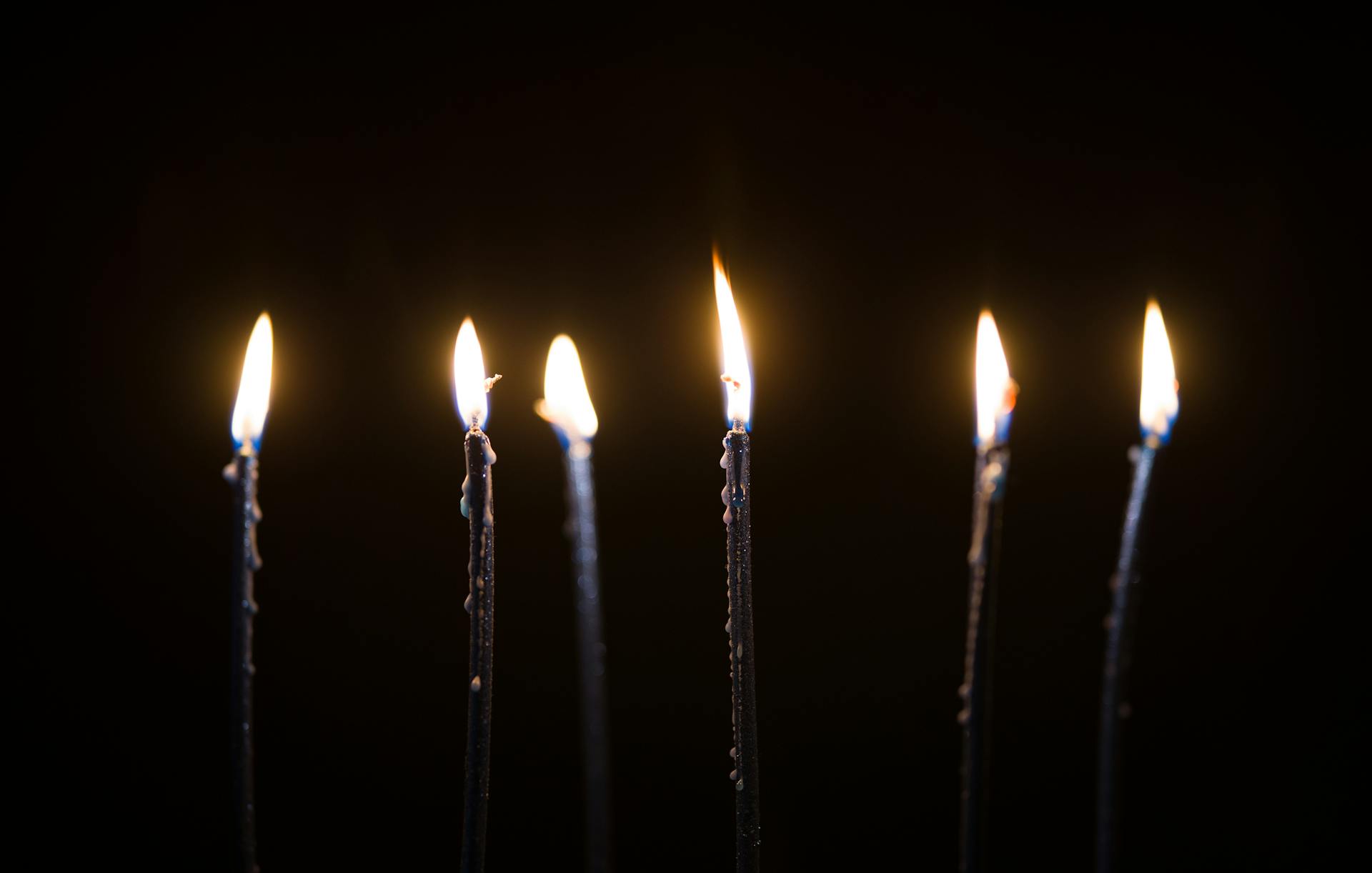
Candle Magic: Color Meanings and How to Cast Your First Spell
Candle magic is the practice of using a candle's color, flame, and your own focused intention to direct energy toward a goal. You choose a candle that matches what you want, you charge it with a clear intention, you light it, and you let it burn while you hold your focus. That's the whole framework. It's one of the oldest and most accessible forms of spellwork because it needs almost nothing: a candle, a quiet moment, and a clear mind.
What makes candle magic so popular with beginners is that the tools are already in your house and the symbolism is intuitive. Fire has meant transformation and offering for as long as people have gathered around it. When you light a candle with purpose, you're turning an ordinary object into a focal point for your will. This guide covers what candle magic actually is, what every candle color means, how to cast a simple spell from start to finish, how to read the flame and the wax, and the safety and timing details that make the practice work.
What You'll Learn
What Candle Magic Is and How It Works
Candle magic works on the same principle as any focused ritual: it gives a vague desire a physical anchor. When you say you want more confidence, that wish floats around as a thought. When you carve the word into a candle, dress it with intention, and watch it burn, you've turned the wish into an act. The candle becomes a container for your attention, and sustained attention is what moves you toward what you want.
You don't have to believe a candle has supernatural power for the practice to do something. The ritual focuses your mind, clarifies what you actually want, and commits you to it in a way that idle wishing never does. Many practitioners describe candle magic as a conversation between your conscious intention and your deeper self, with the flame acting as the meeting point. It pairs naturally with other intention work, like setting intentions with the moon phases, because both rely on choosing a moment and naming a goal out loud.
The energy of fire is the active ingredient. Fire is one of the four classical elements, and it carries the qualities of will, drive, passion, and transformation. If you've read about the fire, earth, air, and water elements in astrology, the same logic applies here: fire takes raw intention and makes it move. A candle is simply fire you can hold, shape, and direct.
Candle Color Meanings
Color is the heart of candle magic. Each color carries an established set of associations, and matching the color to your goal is the first real choice you make. Here are the meanings practitioners rely on most.
White is the all-purpose candle. It stands for purity, peace, clarity, and protection, and you can substitute it for any other color if you don't have the right one on hand. Red is the candle of passion, courage, energy, and physical love. Reach for it when you want drive, vitality, or the nerve to act. Pink softens that into gentle love, friendship, self-care, and emotional healing, which makes it a favorite for relationship and self-worth work.
Green governs money, abundance, growth, luck, and prosperity, so it's the go-to for anything financial or career-related. Gold and yellow overlap with success and confidence: gold for wealth, achievement, and solar power, yellow for intellect, focus, communication, and creativity. Blue brings calm, healing, truth, and clear communication, and it's often used for peace and better sleep. Purple is the spiritual candle, tied to intuition, psychic ability, wisdom, and connection to higher guidance, which is why it pairs well with crystal work and divination.
Black is the most misunderstood color. It isn't evil. Black absorbs and banishes, so it's used for protection, breaking bad habits, removing negativity, and cutting cords. Orange fuels ambition, attraction, and sudden change, while brown grounds you and supports home, stability, and decisions. Silver connects to the moon, intuition, and feminine energy. When in doubt, white covers everything, so a beginner can start with a single white candle and never be stuck.
How to Cast a Candle Spell Step by Step
A candle spell doesn't need to be elaborate. The structure below works for almost any intention, and you can keep it as simple or as layered as you like.
Step one: get clear on the intention. Before you touch the candle, decide exactly what you want and phrase it in the present tense, as if it's already true. "I am calm and secure in my work" beats "I hope I stop being anxious." Vague intentions produce vague results, the same way a vague tarot question produces a muddy answer.
Step two: choose and prepare the candle. Pick the color that matches your goal from the list above. Many practitioners then "dress" the candle by carving a word, symbol, or name into the wax and rubbing it with a little oil, working from the center outward to draw something in, or from the ends toward the center to send something away. This step isn't required, but it deepens your focus.
Step three: cleanse and set up. Clear your space, take a few slow breaths, and arrange the candle somewhere it can burn safely. Some people cast a quiet circle or simply state that the space is theirs for the next few minutes. Hold the candle and pour your intention into it, picturing your goal as vividly as you can. This is the charging step, and it's where the real work happens.
Step four: light it and focus. Strike the match, light the wick, and watch the flame. Say your intention aloud, repeat it, or sit silently and visualize. Stay present with the candle rather than checking your phone. Step five: let it burn and release. Ideally you let the candle burn all the way down in one sitting, which is why smaller spell candles are popular. If you can't, snuff it with a snuffer or your fingers rather than blowing it out, since blowing is said to scatter the intention, and relight it later. When it's done, thank the flame and let the work go. Releasing attachment to the outcome is part of the spell.
How to Read the Flame and the Wax
Once the candle is burning, it starts giving feedback, and learning to read it is one of the most rewarding parts of the practice. This is called pyromancy when you read the flame and ceromancy when you read the wax, and both are old forms of divination.
A tall, steady, bright flame is the best sign: your intention is clear and the energy is flowing without resistance. A flickering or dancing flame suggests active energy, strong emotion, or that spirits or other forces are present and engaged. A weak, low, or struggling flame can mean the intention is unclear, the goal faces obstacles, or the energy just isn't strong enough yet. A flame that pops, crackles, or sparks points to communication, interference, or strong outside influences worth paying attention to. If the flame goes out on its own, many readers take it as a sign the working has hit a serious block, and it's worth pausing to reconsider the request.
The wax tells its own story as it pools and drips. A clean, even burn that leaves little residue suggests a smooth path. Wax that pools heavily on one side, leaves shapes, or builds soot on the glass invites interpretation, much like reading shapes in tea leaves. There's no fixed dictionary for wax shapes, so trust the first impression an image gives you. The reading is a prompt for your intuition, not a verdict carved in stone.
Best Timing for Candle Magic
You can light a candle any time, but aligning the timing with natural cycles is said to amplify the work. The moon phase is the most common timing tool. The new moon is for beginnings, fresh intentions, and drawing things toward you, which is why it pairs so well with a new moon manifestation ritual. The waxing moon, as it grows toward full, supports building, growth, and attraction. The full moon is the peak of power, ideal for charging, gratitude, and bringing things to fruition, and you'll find plenty of ideas in a guide to full moon rituals. The waning moon, as it shrinks, is for banishing, releasing, and cutting away what no longer serves you.
Days of the week carry associations too, each ruled by a planet. Monday belongs to the moon and suits intuition and home matters. Tuesday is Mars for courage and action. Wednesday is Mercury for communication and study. Thursday is Jupiter for abundance and luck. Friday is Venus for love and beauty. Saturday is Saturn for banishing and protection, and Sunday is the sun for success and vitality. You can go deeper with planetary hours if you want to fine-tune the moment, but matching color, intention, and moon phase is more than enough for a strong working.
Candle Magic Safety
No spell is worth a house fire, so safety comes first. Always burn candles on a heat-safe surface, well away from curtains, paper, and anything flammable. Never leave a burning candle unattended, even for a quick errand. If you're letting a candle burn down over hours, choose a holder designed to contain it, like a glass jar candle, and keep it away from drafts, pets, and children.
Trim the wick to about a quarter inch before lighting to keep the flame controlled and reduce soot. Keep long hair and loose sleeves clear of the flame. If you ever feel uneasy about leaving a candle going, snuff it and relight later rather than risking it. The intention carries across multiple sittings, so there's no rule that forces you to keep a flame burning when it isn't safe. Treat fire with respect and the practice stays peaceful.
Common Mistakes to Avoid
The most common beginner mistake is a fuzzy intention. If you can't say in one clear sentence what you want, the candle has nothing to focus. Spend more time on the wording than on the props. A precise intention with a plain white candle beats a vague wish surrounded by crystals and herbs every time.
The second mistake is gripping the outcome too tightly. Candle magic works best when you do the ritual sincerely and then release it, trusting the process to unfold. Checking obsessively for results, or relighting the same spell night after night out of anxiety, signals doubt and scatters your focus, the same way re-asking the cards the same question until you like the answer drains a tarot reading of meaning. Cast it, mean it, and let it go.
The third mistake is skipping the practical follow-through. A money candle is a focusing tool, not a substitute for sending the application or making the call. The strongest results come when the ritual and your real-world action point the same direction. The flame sets your intention. Your choices carry it the rest of the way.
Frequently Asked Questions
What does each candle color mean in magic?
White means purity and works for any purpose, red means passion and courage, pink means love and healing, green means money and growth, blue means calm and communication, purple means intuition and spirituality, yellow means focus and creativity, and black means protection and banishing. Match the color to your goal, or use white when unsure.
Can beginners do candle magic?
Yes, candle magic is one of the most beginner-friendly practices in spellwork. You only need a candle, a clear intention, and a few quiet minutes. Start with a single white candle, get specific about what you want, light it with focus, and let it burn safely. The skill grows with practice.
Should you blow out a spell candle or let it burn?
Ideally let the candle burn all the way down so the intention completes naturally. If you can't, snuff it with a snuffer or wet fingers rather than blowing it out, since many practitioners believe blowing scatters the energy. You can relight it later to continue the working over several sittings.
What does it mean when a candle flame flickers?
A flickering or dancing flame usually signals active, strong energy around your intention, and some readers take it as a sign that spirits or outside forces are engaged with the working. A steady tall flame means clear flow, while a weak or struggling flame can point to obstacles or an unclear goal.
Does the moon phase matter for candle spells?
It helps but isn't required. The new moon and waxing moon support drawing things toward you and new beginnings, the full moon amplifies power and gratitude, and the waning moon suits banishing and release. Matching your candle's purpose to the moon phase is a simple way to strengthen the work.
Candle magic is the practice at its most elemental: one color, one clear intention, one flame held with focus. Choose the color that fits your goal, charge it with a wish you can say in a single sentence, and let it burn while you stay present. When you want to go deeper into the energies behind your intentions, pull a card with the free Celesian tarot reader to see what's surfacing, map your core patterns with your natal chart, and explore how your energy meets someone else's with the compatibility tool.