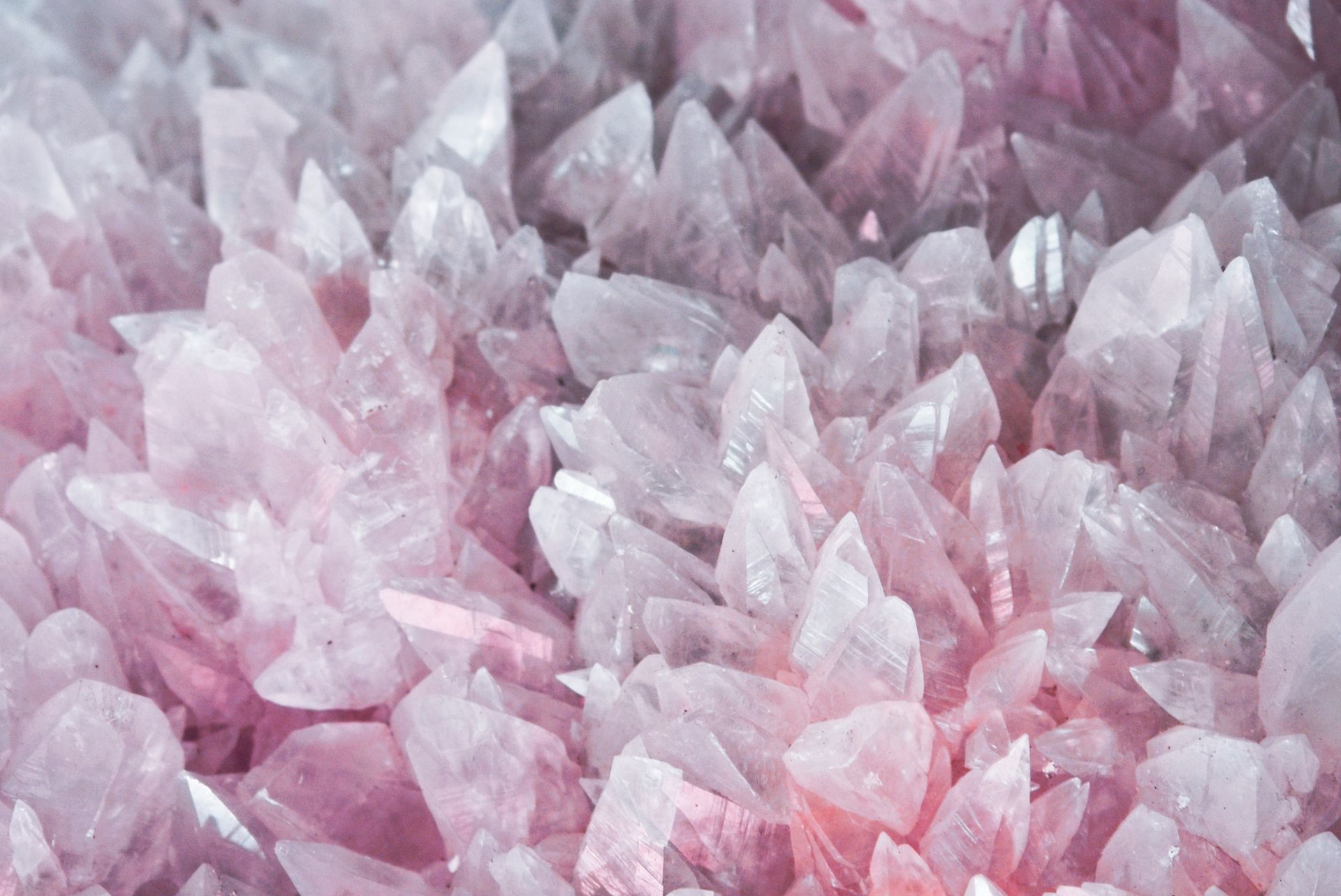
Rhodonite Meaning, Healing Properties, and Uses
Rhodonite is a pink-and-black crystal known as the rescue stone, a heart chakra stone that crystal practitioners reach for when love has to do the harder work of forgiving, grieving, and rebuilding trust. Its signature look is a rose-pink body threaded with black veins, and that contrast carries its whole meaning: soft feeling held together by something grounded and steady. Where rose quartz is the gentle, open-hearted love stone, rhodonite is the one people turn to after heartbreak, betrayal, or a loss they're still carrying.
Below is what rhodonite means, what it's traditionally used for, how it differs from the stones it gets confused with, and an honest look at whether any of it actually works.
What You'll Learn
What Does Rhodonite Mean?
The name comes from the Greek word "rhodon," meaning rose, for the stone's pink color. A German mineralogist, C.F. Jasche, described and named it in 1819. Rhodonite is a manganese silicate, and the same manganese that gives it that rose color also oxidizes over time into the black veins and patches running through most specimens. So the pink and the black come from one mineral, caught at two different stages.
That detail is why rhodonite picked up the meaning it has. In crystal practice it's called the stone of compassion and, more often, the rescue stone, a kind of emotional first aid. The pink is the warmth and care. The black grounding is what keeps that care from tipping into raw overwhelm. People describe it as love with its feet on the ground: steady enough to sit with grief, forgive an old wound, or stay in a hard conversation without shutting down.
Massachusetts liked the stone enough to name it the official state gem in 1979, partly because fine rhodonite turned up in the western part of the state.
Rhodonite Healing Properties
Rhodonite's reputation is built almost entirely around emotional repair. These are traditional metaphysical associations, not medical facts, but the themes stay consistent across crystal practice:
A common thread is balance. Rhodonite gets described as a stone that helps you feel things fully without being swept away by them, which fits its pink-and-black makeup almost too neatly.
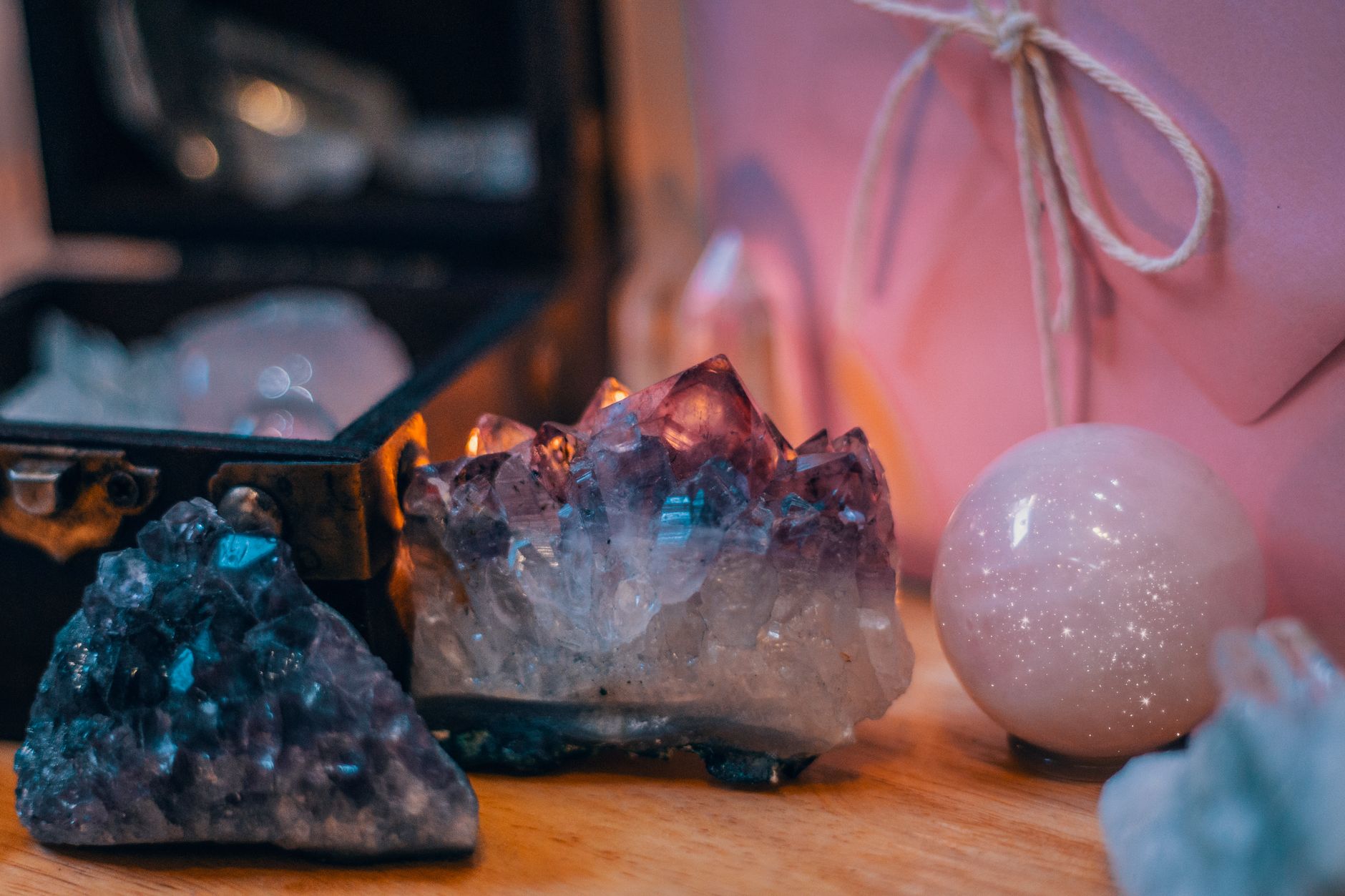
Healing crystals arranged in a row in the colors of the seven chakras, from red through to violet
Rhodonite and the Heart Chakra
Rhodonite is primarily a heart chakra stone. The heart chakra, or Anahata, sits at the center of the chest and governs love, compassion, forgiveness, and grief. When it's blocked, people tend to either wall themselves off or give until they're drained. Rhodonite's pink energy is traditionally used to open that center gently and to clear out stored hurt.
What sets it apart from most heart stones is the black manganese, which gives rhodonite a grounding, protective quality more often linked to the root chakra. That combination is the whole point. It's a heart-opening stone with a safety line to the ground, so the emotional work doesn't leave you floating off. If you tend to spiral when you open up, that pairing is why rhodonite gets recommended over softer, purely-pink stones.
For anyone working through anxiety alongside the heart work, rhodonite often shows up on lists of crystals for anxiety for the same grounding reason.
Rhodonite vs Rose Quartz vs Rhodochrosite
These three pink stones get mixed up constantly, so here's how to keep them straight.
Rhodonite vs rose quartz. Both are heart stones, but they do different jobs. Rose quartz is the soft, unconditional love stone, gentle self-love and open-hearted warmth. Rhodonite is the one for love under strain: forgiveness, grief, betrayal, and repair. Rose quartz is translucent and pale pink. Rhodonite is opaque, deeper pink to rose-red, and almost always veined with black.
Rhodonite vs rhodochrosite. This is the trickier pair, because the names sound alike and both are manganese minerals. The quick tell is the matrix. Rhodonite is a manganese silicate at about 5.5 to 6.5 on the Mohs scale, pink with black veins. Rhodochrosite is a manganese carbonate, much softer at roughly 3.5 to 4, pink with white or cream banding and no black. See black veining, it's rhodonite. See white bands, it's rhodochrosite. Rhodochrosite is also soft enough to scratch with a steel nail, while rhodonite holds up to everyday handling.
There's also thulite, another pink manganese-bearing stone, but thulite is a variety of zoisite and usually a warmer, more mottled pink without the clean black veins.
Zodiac Signs and Birthstone
Rhodonite isn't a traditional birthstone tied to a calendar month, but in astrological crystal practice it's most often matched with Taurus. Taurus is ruled by Venus, the planet of love and values, and Taurus's earthy, steady nature lines up with rhodonite's grounded-heart energy. Leo also comes up, usually for the confidence and heart-centered courage side of the stone.
Because the link runs through Venus, rhodonite suits anyone doing work around love, worth, and relationships regardless of sun sign. If you want to see where Venus sits in your own chart, you can find your Venus sign and read it alongside the stone. For a fuller picture of which stones match your placements, the guide to crystal healing by zodiac sign and the overview of birthstones and their astrological connections both go deeper.
How to Use Rhodonite
You don't need anything elaborate. A few common ways:
If you're pulling stones together for relationship or self-love work, rhodonite fits naturally into a kit of crystals for love. New to all of this? The beginner's guide to healing crystals covers the basics first.
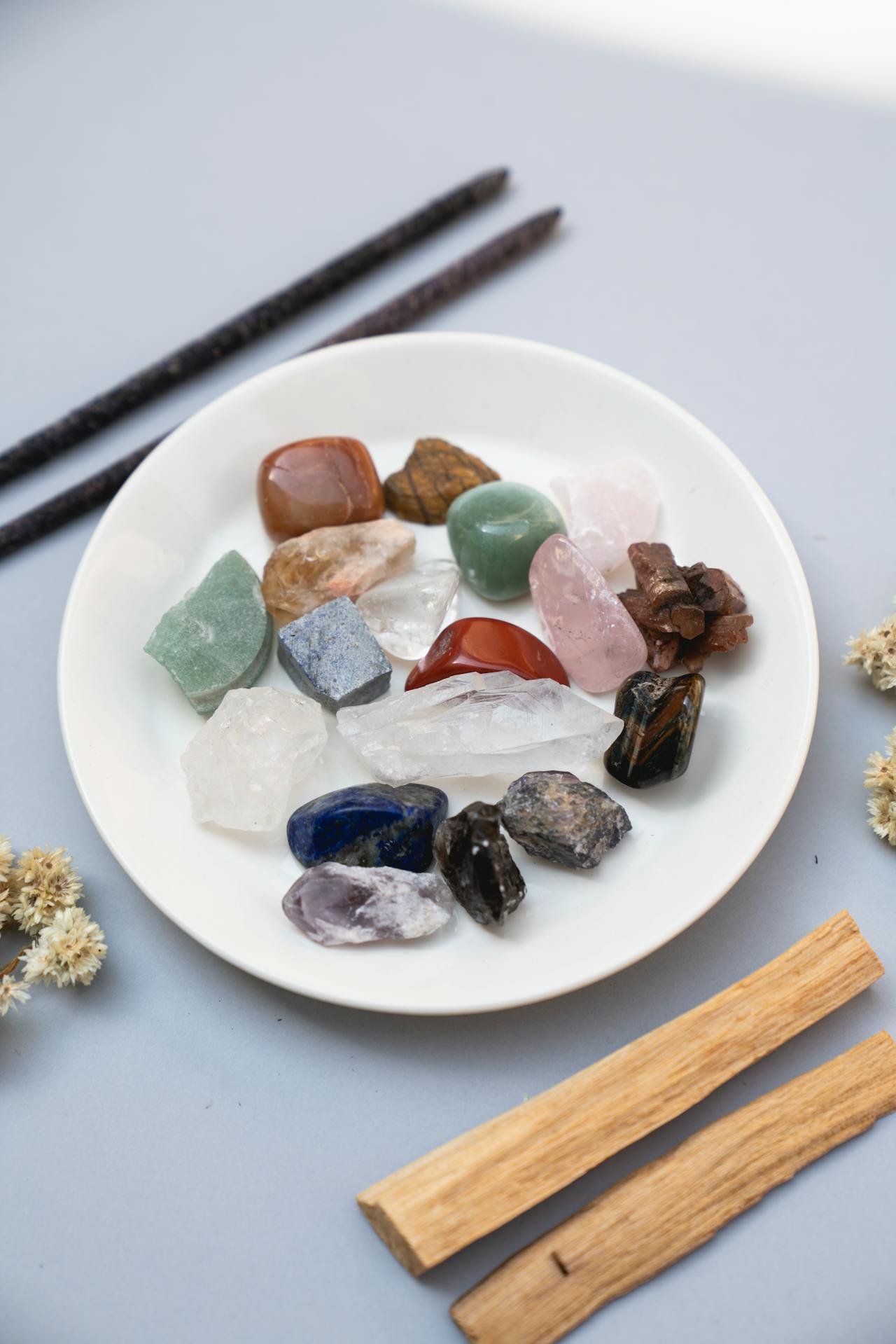
An assortment of tumbled and raw healing crystals gathered together for meditation
How to Cleanse and Charge Rhodonite
Rhodonite is reasonably hard, but the manganese means you shouldn't treat it like bombproof quartz. A quick rinse under cool water is fine, but skip long soaks and salt water, which can dull the surface and work into the black veining over time. Avoid prolonged direct sun too, since strong sunlight can fade some pink stones.
Safer ways to cleanse it:
To recharge it, moonlight is the usual choice, or set it on a cluster of clear quartz or amethyst for a few hours. For the full routine that works across most stones, see how to cleanse and charge crystals. Cleanse a new stone when it arrives, and again whenever it's done heavy emotional work.
Real vs Fake Rhodonite
Rhodonite gets imitated the same way other pink stones do, so a few checks help:
Dyed stone still works as a keepsake, but if you're paying for rhodonite, you want the real mineral with its honest markings.
Does Rhodonite Actually Work?
Here's the honest part. There's no scientific evidence that rhodonite, or any crystal, gives off a measurable energy that heals emotions or mends relationships. The healing properties above are cultural and spiritual beliefs, not tested facts, and anyone promising a stone will cure grief or fix a breakup is overselling it.
What rhodonite can genuinely do is work as a focal point. Holding a specific stone tied to a specific intention, like "I want to forgive this," gives your attention somewhere to land. That's a real and useful thing, closer to how a wedding ring or a worn photo works than to medicine. Rituals help us mark transitions and sit with feelings we'd otherwise avoid, and a palm-sized stone is a low-stakes, portable way to do that.
Used as a prompt for reflection rather than a cure, rhodonite earns its keep. Just keep real support in the picture too, whether that's friends, time, or a therapist for heavier grief. A stone can sit alongside that support. It can't stand in for it. For deeper emotional processing, pairing the stone with shadow work tends to do more than the crystal on its own.
Frequently Asked Questions
What is rhodonite good for?
Rhodonite is traditionally used for emotional healing: processing grief, forgiving old hurts, calming panic or anger in the moment, and rebuilding self-worth after rejection. It's a heart chakra stone with a grounding streak, which is why it's nicknamed the rescue stone.
Can rhodonite go in water?
A quick rinse in cool water is fine, but avoid long soaks and salt water. Over time, water can dull the polish and seep into the black veining. For cleansing, smoke, sound, selenite, or moonlight are safer choices.
What's the difference between rhodonite and rhodochrosite?
Rhodonite is a harder manganese silicate, Mohs 5.5 to 6.5, pink with black veins. Rhodochrosite is a softer manganese carbonate, Mohs 3.5 to 4, pink with white or cream banding and no black. Black veining means rhodonite, white banding means rhodochrosite.
Which chakra is rhodonite?
Mainly the heart chakra, for love, compassion, and forgiveness. The black manganese gives it a secondary grounding link to the root chakra, which is what makes it steadying rather than purely soft.
Is rhodonite a birthstone?
It isn't a traditional monthly birthstone, but in crystal astrology it's most associated with Taurus, and sometimes Leo. The connection runs through Venus, the planet of love and values.
Bringing It Together
Rhodonite is the heart stone for the hard parts of loving: grief, forgiveness, betrayal, and the slow work of trusting again. The pink is the care, the black is the steadiness, and together they make a stone people reach for when they need to feel something fully without coming apart. Keep your expectations honest, use it as a focus for reflection, and it's a quiet, useful companion.
To go deeper, generate your free natal chart to see where Venus and your heart-ruling placements sit, pull a tarot reading when you're weighing whether to forgive or walk away, or run a compatibility report to read the real texture of a relationship you're working on.