
Root Chakra Meaning: Signs of Imbalance and How to Heal Muladhara
The root chakra is the first of the seven main chakras, sitting at the base of the spine, and it governs your sense of safety, stability, and survival. Its Sanskrit name is Muladhara, which translates roughly to "root support." When it's balanced you feel grounded, secure, and at home in your own body. When it's blocked, life can feel shaky: money worries, low-grade anxiety, and a nagging sense that the floor could drop out from under you.
If you've been feeling ungrounded, restless, or stuck in survival mode, the root chakra is the place to start. This guide covers what Muladhara is, where it sits, how to spot an imbalance, and the grounding practices, stones, and affirmations that bring it back into balance.
What You'll Learn
What Is the Root Chakra?
The root chakra is the foundation of the chakra system, the energy center your whole spiritual body is built on. In the yogic tradition, chakras are spinning wheels of energy that run up the spine, each one tied to different parts of your physical, emotional, and spiritual life. The root chakra is number one, and everything above it depends on it being steady, the same way a house depends on its foundation.
Muladhara deals with the most basic layer of being human: the need to survive and feel safe. It's the part of you that asks, "Am I secure? Do I have what I need? Do I belong here?" Before you can open your heart, speak your truth, or reach for higher awareness, this base has to feel solid. That's why so many people who work through the seven chakras start here.
Think of it less as a mystical add-on and more as your inner sense of ground. When it's healthy, you trust that you'll be okay. When it's shaky, no amount of higher-chakra work quite sticks.
Where Is the Root Chakra Located?
The root chakra sits at the very base of the spine, around the tailbone and the pelvic floor. In some traditions it's placed at the perineum, the point between the base of the spine and the genitals. Its energy is said to point downward, connecting you to the earth beneath you like a taproot reaching into soil.
Physically, Muladhara is linked to the parts of the body that keep you upright and moving: the legs, the feet, the bones, the base of the spine, the large intestine, and the adrenal glands, which control your stress response. That connection to the adrenals is telling, because the root chakra and your fight-or-flight system are working on the same question: are you safe right now?
Root Chakra Basics at a Glance
Every chakra has a set of traditional correspondences that make it easier to recognize and work with. Here's the shorthand for Muladhara:
The color red is no accident. Red is the color of blood, heat, and raw physical energy, the most grounded and material end of the spectrum. If you want to go deeper on how color maps to energy, our guide to aura colors and their meanings covers similar ground.
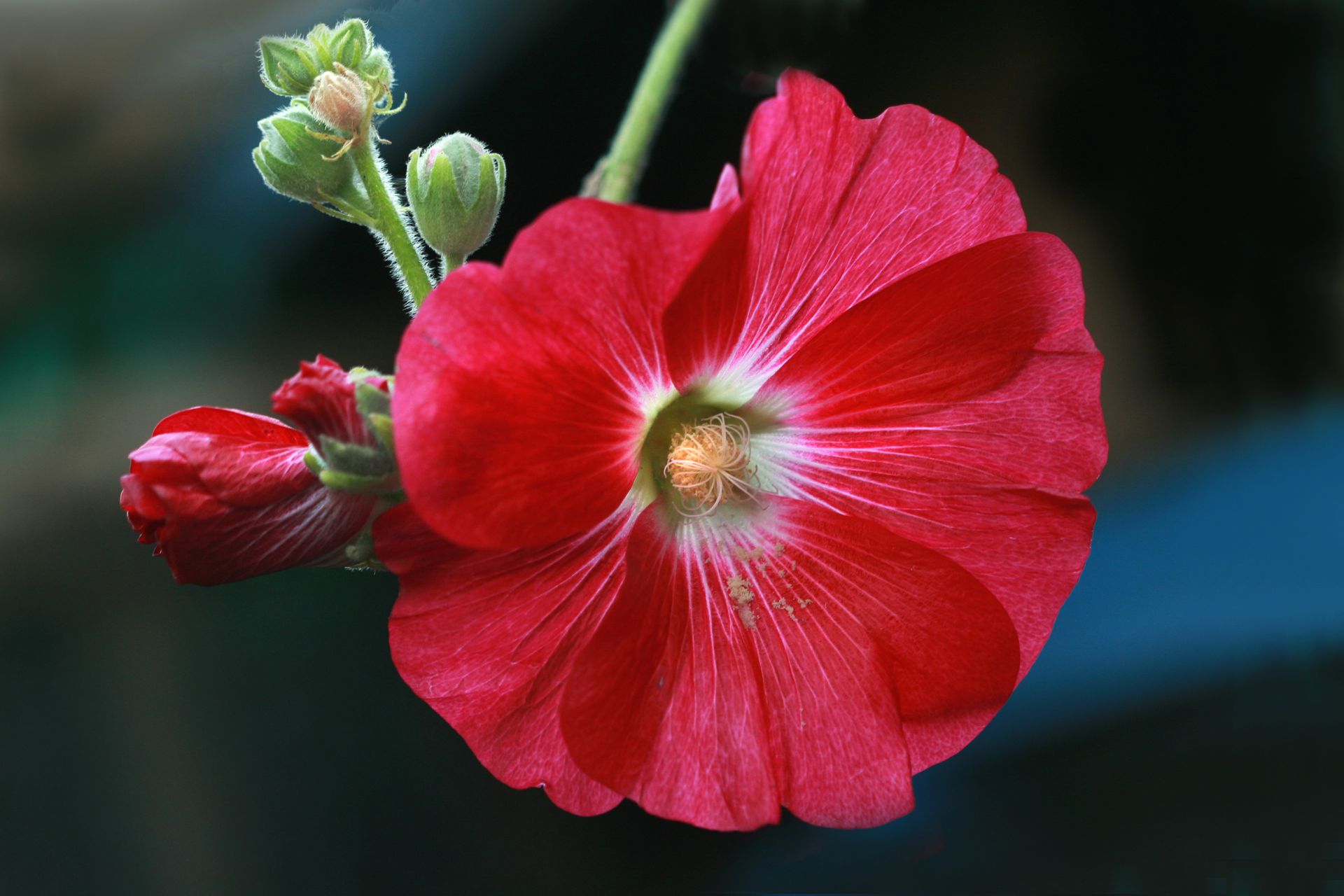
A vivid red flower photographed close up, echoing the red color and earthy vitality of the root chakra
What Does the Root Chakra Govern?
Muladhara rules the foundation of your life, the practical and emotional things you need before anything else feels possible. That includes your physical survival, your finances, your home, your body, and your basic sense of belonging in the world.
On the emotional level, the root chakra is the seat of security and trust. A healthy root lets you feel that the world is a reasonably safe place and that you can meet your own needs. On the practical level, it shows up in how you handle money, work, food, and shelter, the nuts and bolts of staying alive and stable.
It's also tied to your relationship with the physical world itself. People with a strong root chakra tend to feel present in their bodies rather than lost in their heads. They can be still, sit with discomfort, and stay steady when things get stressful. When this center is weak, that steadiness is the first thing to go.
Signs of a Blocked Root Chakra
A root chakra imbalance usually swings in one of two directions: underactive (too little energy) or overactive (too much). Both leave you off balance, just in opposite ways.
An underactive or blocked root chakra often feels like chronic insecurity. Common signs include:
An overactive root chakra tips the other way, into clinging and rigidity:
Physically, root chakra imbalance is often linked to lower back pain, leg and foot problems, digestive trouble, and stress-related issues tied to the adrenal glands. If these emotional and physical patterns sound familiar, this center is worth some attention. Many people notice these themes surface during a broader spiritual awakening, when old survival patterns rise up to be healed.
What Causes Root Chakra Imbalance?
Because Muladhara is about safety, most root chakra blocks trace back to times when safety felt threatened. Childhood instability is a big one: growing up with financial stress, a chaotic home, neglect, or frequent moves can teach the nervous system that the ground isn't reliable, and that belief lingers long into adulthood.
Adult experiences pile on too. Losing a job, going through a divorce, a serious illness, the death of someone close, or a stretch of real financial hardship can all knock the root chakra out of balance. So can chronic stress, even the ordinary grind of never quite feeling caught up on rent, bills, and basic needs.
There's also a quieter cause: disconnection from the physical world. Spending most of your time indoors, glued to screens, cut off from nature, movement, and rest, starves the root chakra of the earthy input it runs on. The good news is that this same disconnection is one of the easiest things to reverse.

A close-up of thick tree roots gripping the forest floor, a natural image of grounding and the root chakra's link to the earth
Signs of a Balanced Root Chakra
When Muladhara is open and flowing, life feels workable even when it's hard. You feel safe in your body and reasonably secure in your circumstances, so you can face challenges without spiraling into panic.
A balanced root chakra tends to look like this:
You don't have to be wealthy or have everything figured out to have a healthy root chakra. It's less about your circumstances and more about your inner sense that you're supported and that you'll be okay.
How to Heal and Balance the Root Chakra
Healing the root chakra is refreshingly physical. Because it's tied to the earth and the body, the most effective practices are hands-on and grounding rather than heady. Here's where to start.
Get grounded with nature. Spend real time outdoors. Walk barefoot on grass, sand, or soil, a practice often called earthing, and let yourself feel the ground under your feet. Gardening, hiking, and sitting with your back against a tree all feed this center.

A person walking barefoot on natural ground, illustrating the earthing practice used to ground the root chakra
Move your body. Root-focused yoga poses build a felt sense of stability. Try Mountain pose (Tadasana), Warrior I and II, Child's pose, Bridge, Garland pose (Malasana), and Tree pose. Any grounding, weight-bearing movement that puts you in touch with your legs and feet helps.
Chant the LAM mantra. The seed sound for Muladhara is LAM. Sit comfortably, breathe slowly, and repeat LAM out loud or silently while picturing a warm red light glowing at the base of your spine. Even a few minutes of this daily settles the nervous system.
Eat grounding foods. Root vegetables like beets, carrots, potatoes, and radishes are traditional root chakra foods, along with red foods like pomegranates, red apples, and tomatoes, plus solid sources of protein. Nourishing yourself well is itself a message to the body that it's safe.
Build steady routines. Nothing grounds the root chakra like reliability. Regular sleep, meals, and daily rhythms tell your survival brain that the ground is stable. Practices like energy healing through Reiki and smoke cleansing your space can support the work by making your environment feel calm and safe.
Root Chakra Crystals and Stones
Crystals are a popular tool for root chakra work, and the ones associated with Muladhara are mostly red, brown, and black, the earthy, grounding end of the palette. You can hold them during meditation, place them at the base of your spine while lying down, carry them in a pocket, or build a grid with them.
The go-to root chakra stones include:
If you're new to working with stones, our guide to healing crystals for beginners walks through how to choose, cleanse, and use them. Remember to cleanse your root chakra stones regularly, since grounding work asks them to absorb a lot of dense energy.
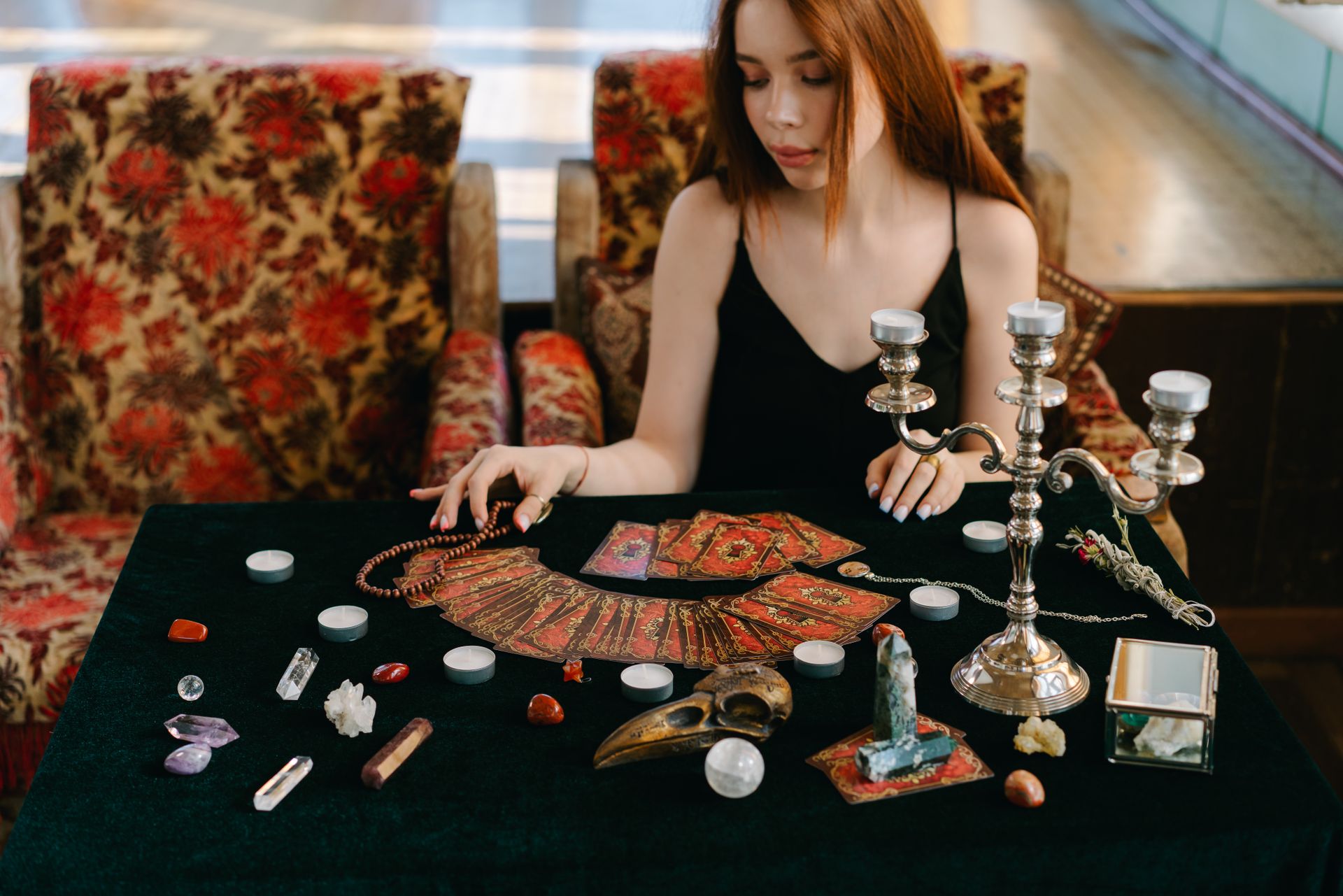
Deep red and earthy crystals arranged for a grounding meditation, the kind of stones traditionally used for root chakra healing
Root Chakra Affirmations
Affirmations reprogram the survival stories the root chakra holds. Say them out loud, write them down, or repeat them silently during meditation, ideally while picturing red light at the base of your spine. Keep the focus on safety, support, and belonging:
Consistency matters more than intensity. A minute of these each morning does more over time than an occasional long session.
The Root Chakra and Astrology
The root chakra and astrology speak the same language of grounding. Muladhara's element is earth, which links it naturally to the earth signs, Taurus, Virgo, and Capricorn, the placements most associated with stability, security, and the material world. If you want to understand this energy in your own chart, start with the zodiac elements and how fire, earth, air, and water shape your temperament.
Astrologically, the root chakra's themes also echo Saturn, the planet of structure, discipline, and long-term security, along with the second house of money and self-worth and the fourth house of home and roots. A strong earth presence or well-placed Saturn can support a grounded root chakra, while heavy tension in these areas can mirror the same insecurity a blocked root brings. For a fuller map of how the energy centers connect to your birth chart, see our guide to the zodiac signs and chakras.
Frequently Asked Questions
How do I know if my root chakra is blocked?
The clearest signs are chronic anxiety, fear about money or survival, feeling disconnected from your body, and trouble feeling safe or settled. Physical clues include lower back pain, leg and foot issues, and stress-related fatigue. If security feels shaky no matter your circumstances, the root chakra is likely out of balance.
What emotion is stored in the root chakra?
Fear is the core emotion tied to the root chakra, specifically fear around survival, safety, and having enough. When Muladhara is balanced, that fear settles into a steady sense of trust and security instead.
What is the root chakra mantra?
The seed mantra, or bija, for the root chakra is LAM. Chanting LAM slowly while visualizing red light at the base of the spine is one of the simplest and most traditional ways to activate and balance this center.
How long does it take to balance the root chakra?
There's no fixed timeline, since it depends on how deep the imbalance runs. Many people feel calmer after a few weeks of daily grounding practices, but healing older survival wounds can take months of consistent work. Steady, gentle routines matter more than quick fixes.
Which crystal is best for the root chakra?
Red jasper is the most classic choice, valued for stability and endurance. Hematite, black tourmaline, black obsidian, smoky quartz, and garnet are also strong grounding stones. Pick the one you feel most drawn to and work with it regularly.
Bringing It Together
The root chakra is your foundation, the quiet sense of safety and belonging that everything else is built on. When it's grounded, you can weather stress, handle life's practical demands, and feel at home in your body. When it's blocked, that steadiness slips, and fear and insecurity take over. The path back is wonderfully down to earth: spend time in nature, move your body, eat grounding food, keep steady routines, and remind yourself that you're safe and supported.
Want to see where your own chart leans steady or shaky? Run your free natal chart to explore your earth placements and Saturn, pull a tarot reading when you need grounded guidance on a decision, or check how your foundations mesh with someone using the compatibility tool.