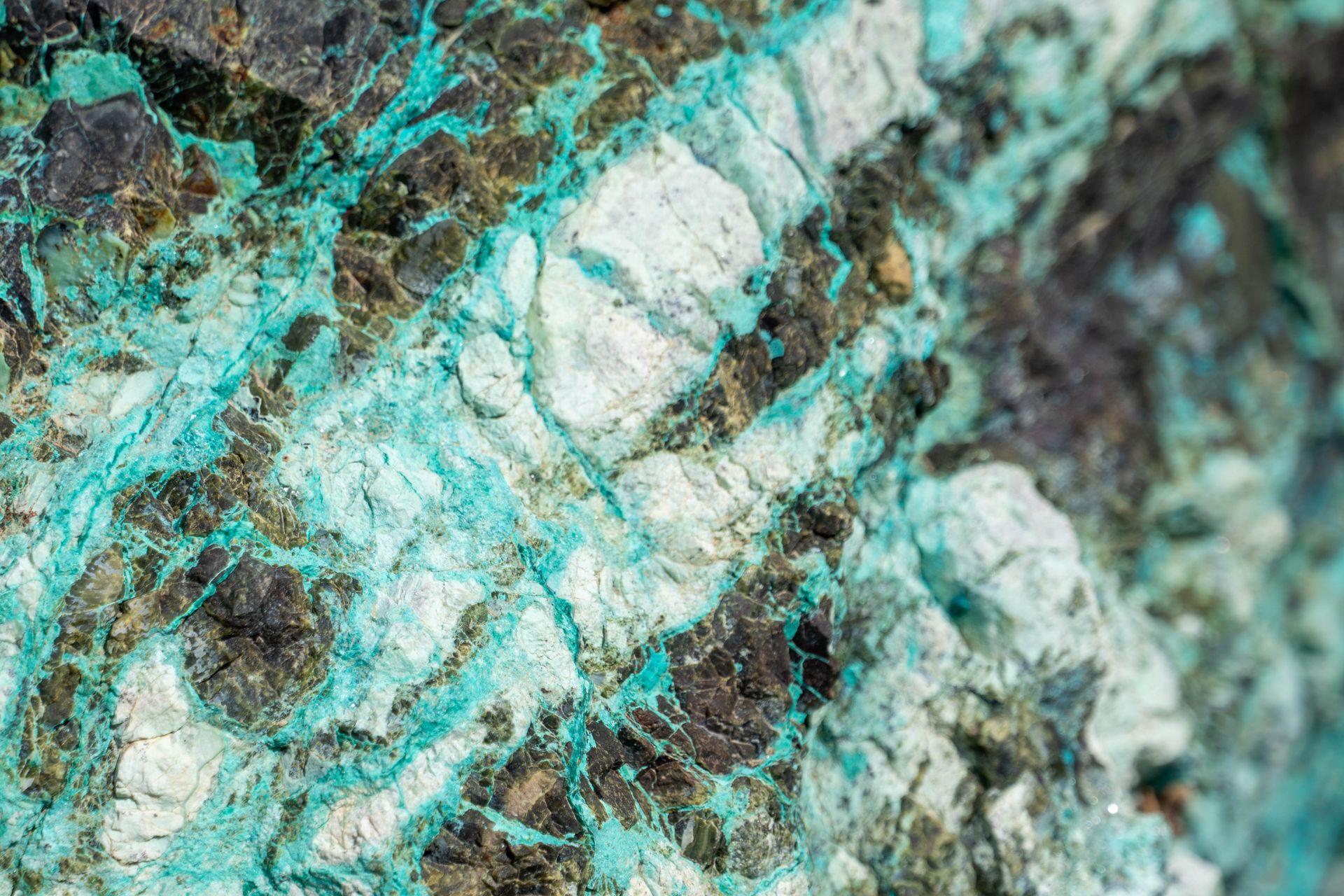
Chrysocolla Meaning: Healing Properties, Uses, and the Blue-Green Copper Stone
Chrysocolla is one of the most striking blue-green stones you'll meet, a soft copper mineral whose color runs from cyan and teal to deep green. Its meaning centers on calm communication, wisdom, and gentle self-expression, and people tend to reach for it when they need to say something hard with a cooler head, teach or guide others, or steady their emotions before they speak.
It also sits at the middle of one of the crystal world's most common mix-ups. Chrysocolla is constantly confused with turquoise, and it's often grown right alongside malachite and azurite in the same rock, so a single piece can carry several copper minerals at once. Here's what chrysocolla actually means, how people use it, how it links to the throat and heart chakras and to Venus and Mercury in astrology, plus the honest facts about gem silica, Eilat stone, copper safety, and telling the real thing from a dyed fake.
What You'll Learn
What Is Chrysocolla?
Chrysocolla is a hydrated copper silicate, a mineral that forms in the weathered, oxidized zones of copper deposits where copper-rich water reacts with silica in the surrounding rock. Its formula is variable rather than fixed, which is part of why it shows up in so many shades, but the copper is what gives it that unmistakable blue-green color. In its pure form it's often soft and a little chalky, and it commonly grows as crusts, botryoidal bubbles, and veins rather than as clean, faceted crystals.
The name has a surprising origin. It comes from the Greek words "chrysos," meaning gold, and "kolla," meaning glue. The ancient writer Theophrastus used "chrysokolla" around 315 BCE for a material goldsmiths used as a flux to solder gold, and the name later attached to this copper mineral because it turned up in the same gold-working context. So a stone with no gold in it carries a name that literally means gold-glue.
On the Mohs hardness scale, pure chrysocolla is soft, roughly 2 to 4, which makes it fragile on its own. In practice, much of the material sold in shops has been naturally hardened by quartz or chalcedony growing through it, which is a distinction worth understanding before you buy. Major sources include Arizona in the United States, along with Peru, Chile, the Democratic Republic of the Congo, Mexico, Israel, and Russia.
What Does Chrysocolla Mean?
At its core, chrysocolla means calm, wise communication. It's widely called the Stone of Communication, and unlike the sharper, more mental blue stones, its reputation leans toward speaking gently, listening well, and choosing words with care. People turn to it when they need to have a difficult conversation, teach or mentor someone, or express a feeling they've been holding back.
It carries two other old nicknames that fill out the picture. It's known as the Goddess Stone, tied to feminine energy, nurturing, and inner strength, and as a Teaching Stone, associated with sharing knowledge and empowering others to find their own voice. Running underneath all of that is a theme of peace and emotional steadiness, which is why chrysocolla is often described as a stone for staying centered when everything around you feels loud. Its blue-green color is part of the story, sitting right where the calm of the throat meets the warmth of the heart.
Chrysocolla Healing Properties
In crystal-healing practice, chrysocolla sits among the communication and emotional-balance stones. As always, it's worth saying plainly up front: these are traditional and folk associations, not medical claims, and there's no scientific evidence that any crystal treats a physical or emotional condition. Here's how people describe working with it.
Emotionally, chrysocolla is used to cool anger and ease anxiety, and to bring a sense of calm before a stressful conversation or presentation. It's a favorite of people who go quiet under pressure, or who say more than they mean when they're upset, because its reputation is for steady, measured expression rather than blurted words.
On the communication side, it's linked to speaking your truth kindly, teaching, public speaking, and diplomacy. Practitioners also connect it with feminine energy and creativity, and with the kind of quiet confidence that lets you hold your ground without raising your voice. It's often paired with grounding or protective stones when the goal is to stay composed through conflict.
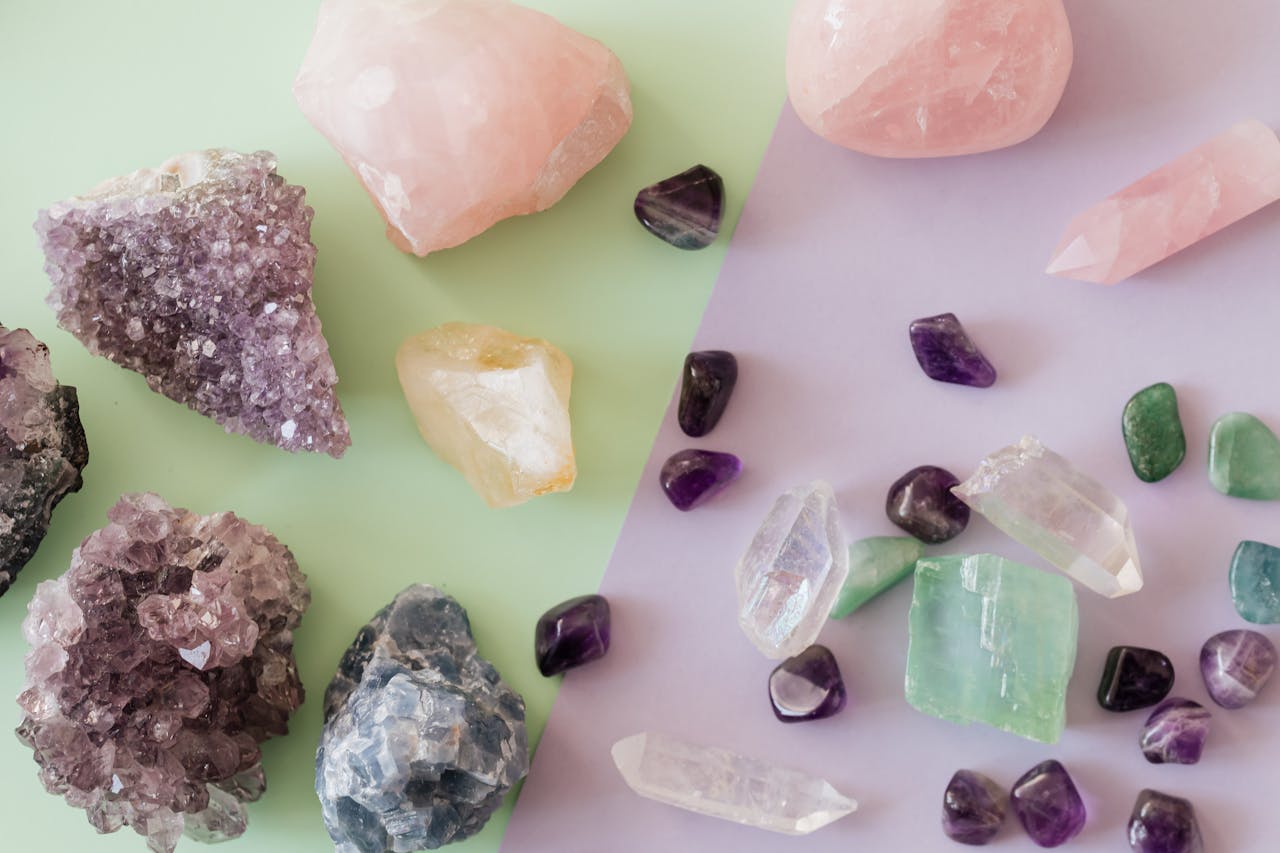
A calm arrangement of colorful healing crystals on a dark surface, reflecting the steady, communicative energy at the heart of chrysocolla meaning
Chrysocolla and the Throat and Heart Chakras
Chrysocolla is one of the classic bridge stones, working two centers at once because its color falls between blue and green. Its primary home is the throat chakra, Vishuddha, which governs communication, honesty, and self-expression. A blue-green stone known for calm, careful speech is a natural match, which is why so much of chrysocolla's use centers on the throat.
The green in the stone also reaches down to the heart chakra, Anahata, the center of love, compassion, and emotional balance. That pairing is the heart of how people use chrysocolla: the heart feels what needs to be said, and the throat finds the gentle words to say it. Practitioners place it on the throat or the chest during lying-down meditation, or wear it as a pendant, to support that link between feeling and speaking.
Because it touches both centers, chrysocolla is often described as a stone for compassionate honesty, the kind that lets you be truthful without being harsh. If you want the full map of the energy centers and how they connect, our guide to the seven chakras walks through each one in order.
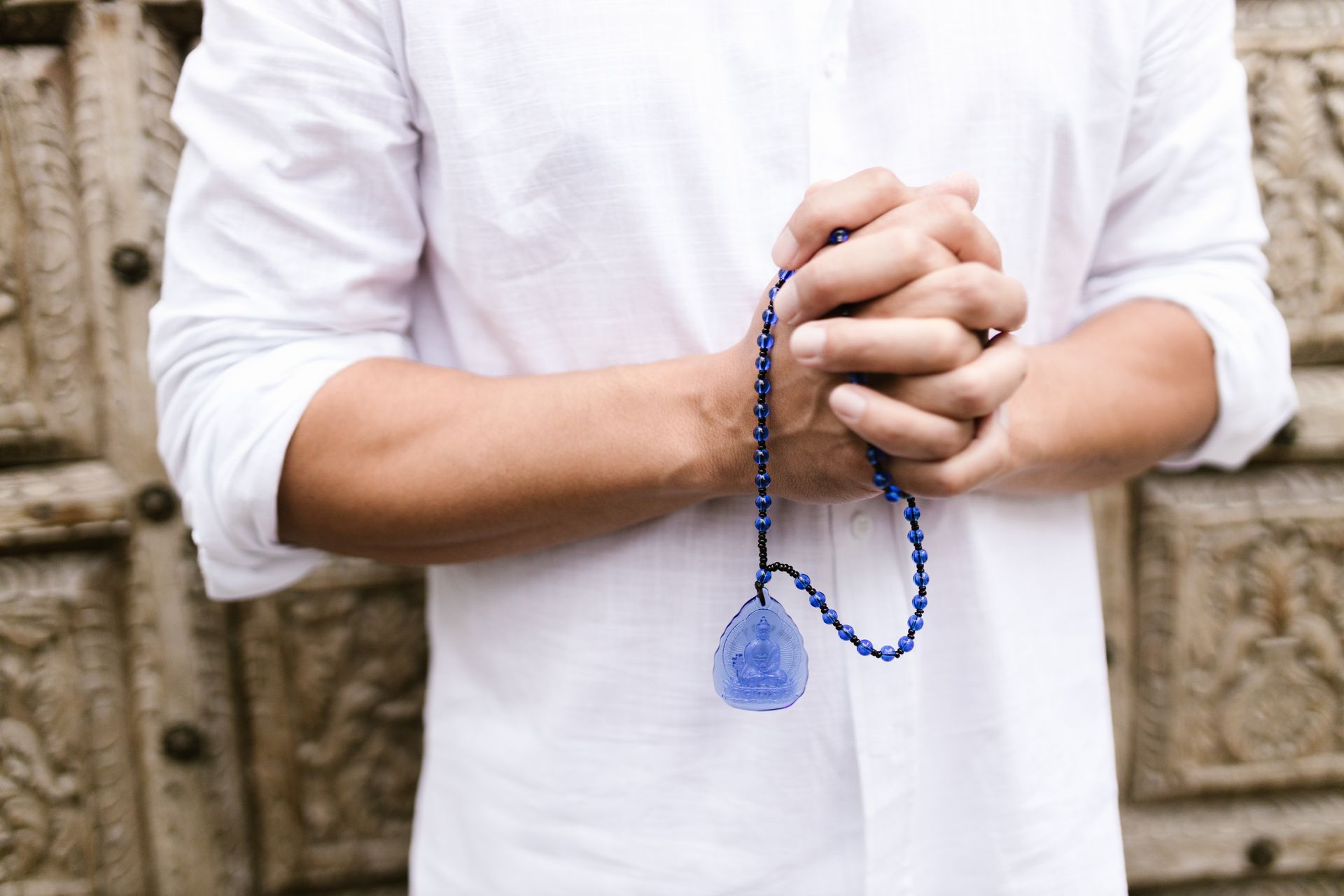
A serene blue-toned meditation scene, echoing chrysocolla's link to calm communication and the throat chakra
Chrysocolla Zodiac Signs and Astrology
Chrysocolla is most often tied to Gemini, the communicator of the zodiac, and the match is easy to see. Gemini lives through words, curiosity, and connection, and chrysocolla's link to clear, kind expression fits that airy, conversational energy. Where Gemini can talk faster than it thinks, the stone's calming reputation acts as a gentle brake.
It's also connected to Taurus and Virgo. Taurus shares chrysocolla's steady, grounded warmth and its love of beauty, while Virgo relates to the stone's themes of patience, service, and thoughtful communication. Some readers add Sagittarius for its teaching and truth-telling streak.
For ruling planets, chrysocolla leans toward Venus for its feminine, loving, peace-making energy, and Mercury for its ties to speech and the mind. Chrysocolla is not a traditional birthstone, but you can still match it to your own chart. Our crystal healing by zodiac sign guide lines up stones with all twelve signs, and the zodiac and chakras piece connects the signs to your energy centers.
Is Chrysocolla the Same as Turquoise?
This is the question that follows chrysocolla everywhere, and the short answer is no, though the confusion is understandable. Both are blue-green stones that form in copper deposits, both have been carved and worn for thousands of years, and pieces of each can look almost identical across a shop counter. But they're different minerals. Turquoise is a copper aluminum phosphate, while chrysocolla is a copper silicate, and they aren't chemically related beyond that shared copper.
The most useful difference is hardness. Turquoise sits around 5 to 6 on the Mohs scale, hard enough to take a durable polish, while pure chrysocolla is a soft 2 to 4. If a blue-green stone is chalky, scratches easily, or feels fragile, it's leaning toward chrysocolla. Color can hint too: chrysocolla often shows a more electric cyan and blends smoothly into green, while turquoise tends toward a robin's-egg blue with dark matrix veining.
To make things messier, the two are sometimes found in the very same rock, and chrysocolla is regularly sold under vague blue-green names that blur the line. When a piece matters to you, buy from a seller who names the exact material and doesn't just call everything blue-green "turquoise."
What Is Gem Silica Chrysocolla?
Here's where chrysocolla gets genuinely special. When chrysocolla is infused with chalcedony, a microcrystalline form of quartz, the soft copper mineral becomes locked inside a hard, translucent stone. This material is called gem silica, or chrysocolla chalcedony, and it's the gem-quality version of chrysocolla that collectors prize above all others.
The difference is dramatic. Ordinary chrysocolla is soft, opaque, and fragile, but gem silica reaches a Mohs hardness near 7, the same as quartz, and glows with a translucent blue-green that has been compared to a tropical sea. That toughness means it can be cut and polished for rings and fine jewelry, which plain chrysocolla can't survive. The finest gem silica has historically come from copper mines in Arizona, and it can command prices that put it among the more valuable blue-green gems.
So if you see chrysocolla in a durable ring or a translucent, glassy cabochon, there's a good chance it's actually gem silica rather than the soft raw mineral. The name on the label may just say chrysocolla, so it helps to know that the two behave very differently in terms of hardness, water resistance, and price.
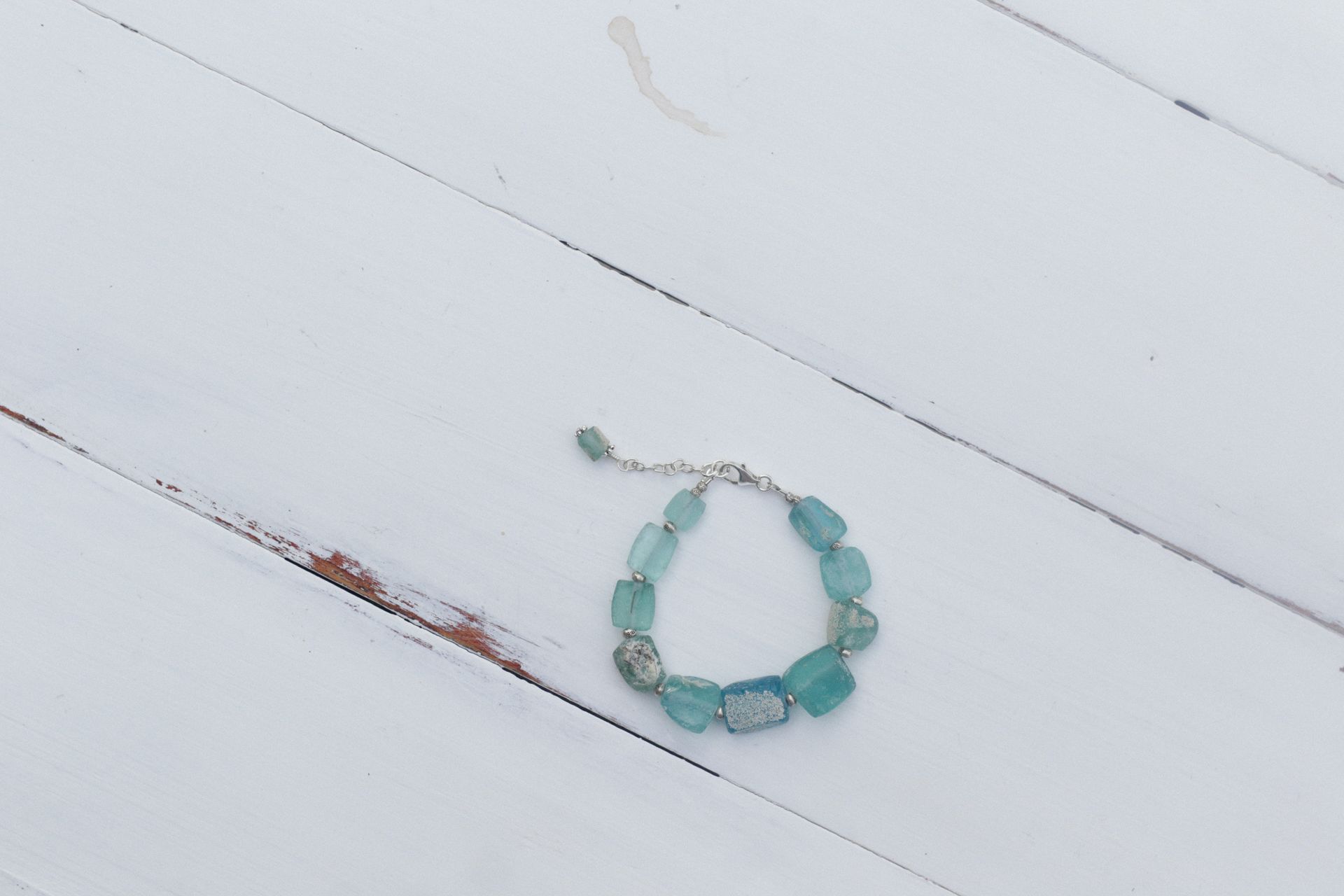
A blue-green beaded bracelet in a teal shade close to gem silica chrysocolla
What Is Eilat Stone?
Eilat stone is one of the most beautiful expressions of chrysocolla, and it's a rock rather than a single mineral. It's a natural blend of chrysocolla, malachite, turquoise, and other copper minerals all grown together, producing swirling patterns of blue and green in one piece. Because its makeup varies, no two pieces look quite alike.
It carries a lot of history. Eilat stone comes from the ancient copper mines of the Timna Valley in southern Israel, near the modern city of Eilat, where copper has been worked for thousands of years. That heritage earned it the nickname King Solomon Stone, after the biblical king traditionally linked to the region's mines, and Eilat stone is often described as the national stone of Israel.
Metaphysically, Eilat stone is treated as a super-charged chrysocolla, blending the calm communication of chrysocolla with the transformation associations of malachite and the protection linked to turquoise. Whether or not you take those energetic claims literally, it's a genuine natural material with a real and ancient backstory, which makes it a favorite for people drawn to the copper-mineral family.
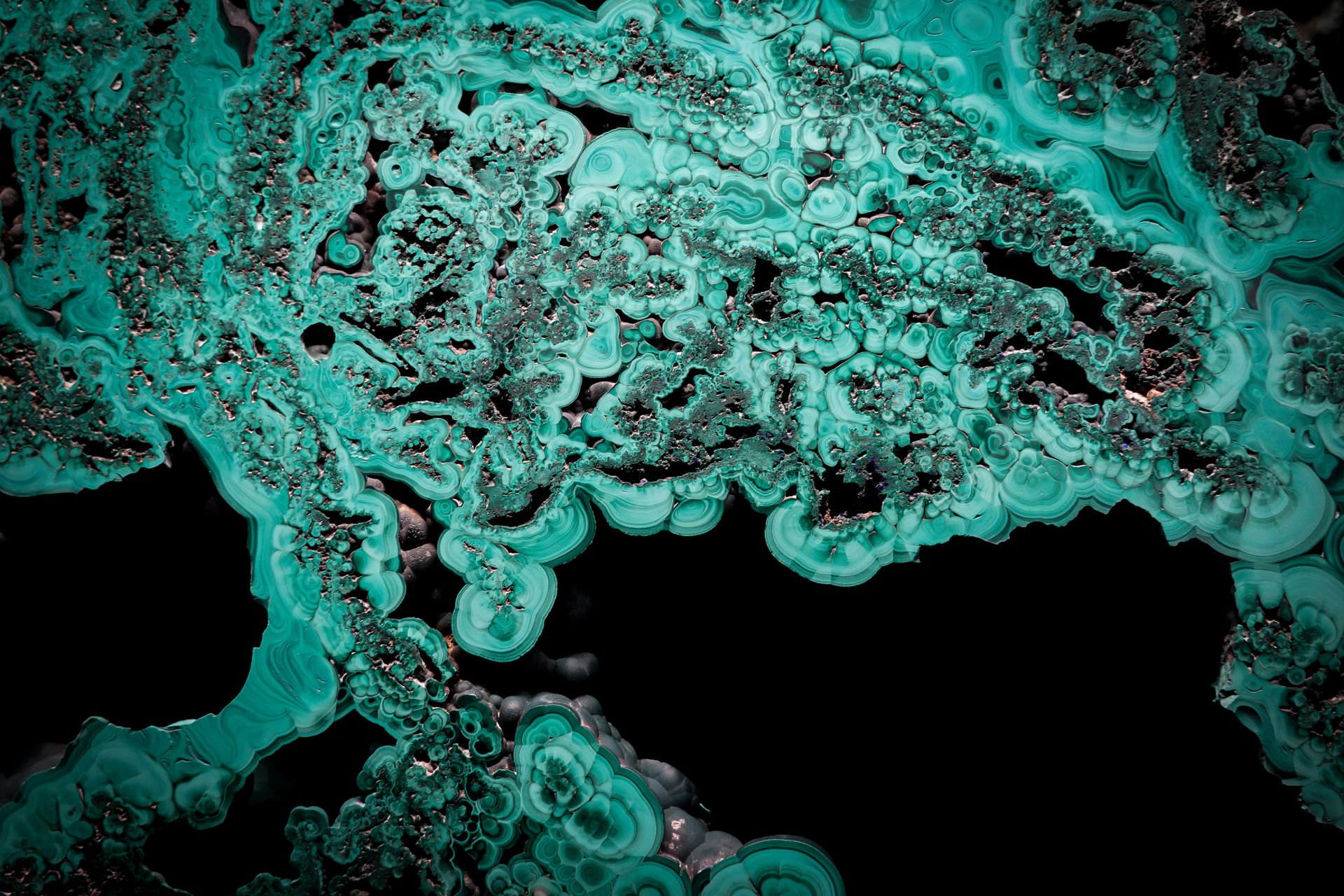
Green banded copper-mineral stone similar to the malachite that grows alongside chrysocolla in Eilat stone
Is Chrysocolla Toxic? Copper, Water, and Care
Chrysocolla is a copper mineral, and that raises a fair safety question, so here's the honest version. A polished, solid piece of chrysocolla is safe to hold, wear, and keep in your home. The caution is about water and dust, not casual contact. Because it contains copper and is often soft and porous, you should never make a chrysocolla elixir by soaking the stone in water you plan to drink, and you shouldn't grind, cut, or sand it without proper protection, since inhaling mineral dust is never a good idea.
Water is the bigger day-to-day concern. Soft, porous chrysocolla can absorb moisture, degrade, and lose its polish if it's soaked, and salt water is especially damaging. That puts it in the same care category as malachite and turquoise, the other copper stones that prefer to stay dry. Gem silica is the exception, since the quartz that hardens it also makes it far more water-resistant, but if you're not certain which type you have, treat it as the soft kind.
The practical takeaway is simple: enjoy your chrysocolla, wash your hands after handling raw or crumbly material, keep it away from water and salt, and never turn it into something you drink. Treated with that respect, it's a safe and rewarding stone to own.
How to Tell Real Chrysocolla From Fakes
Because chrysocolla and turquoise look so alike and both sell well, the market has plenty of imitations, and knowing a few tells helps. The most common fake is dyed howlite or magnesite, both white, porous stones that soak up blue or blue-green dye and get sold as turquoise or chrysocolla. On these, the color often pools unevenly in the cracks, and a cotton swab with a little acetone can lift dye that a natural stone wouldn't shed.
Watch for reconstituted material too, which is real chrysocolla powder mixed with resin and pressed into shape. It can look convincing but often shows an unnaturally even color and a slightly plasticky feel. Solid resin and glass copies exist as well, and they tend to warm up quickly in the hand, show tiny bubbles under magnification, and lack the subtle texture of a real mineral.
Genuine soft chrysocolla is, well, soft, so a stone that scratches easily and feels a touch chalky is behaving the way it should. Real Eilat stone and gem silica both show natural variation, patterns and depth that mass-produced fakes rarely capture. As with any stone, buying from a seller who names the exact material honestly is your best protection. If you're curious how blue-green gems line up with the calendar, our birthstones guide covers the traditional stones by month.
Does Chrysocolla Actually Work?
Here's the honest answer this site always gives. There's no scientific evidence that chrysocolla, or any crystal, emits a measurable energy, calms your nerves, or makes you a better communicator. If you're dreading a hard conversation, struggling to speak up, or trying to keep your temper, a stone is not a replacement for the things that genuinely help: preparation, practice, honest reflection, and, where it's needed, real support.
What chrysocolla can offer is a focus object and a cue. Holding a calm blue-green stone before a difficult talk, or keeping one on your desk as a reminder to slow down and choose your words, can act as a small physical anchor for an intention you've already set. That anchor is real, and for many people it's a helpful nudge toward the composure they're aiming for. The calm doesn't live in the copper; it comes from the intention and the habit the stone helps you attach to. Used that way, as a prompt rather than a power, chrysocolla earns its place.
How to Use and Care for Chrysocolla
For calm communication, keep chrysocolla near your throat as a pendant, or hold a piece while you rehearse something you need to say. For emotional steadiness, place it on your chest during meditation, or keep it somewhere you'll see it during a stressful stretch. It works nicely in a crystal grid built around a communication or peace intention, and it pairs well with grounding stones when you want to stay composed under pressure. If you're just getting started, our healing crystals for beginners guide covers the basics of choosing and working with stones.
Care matters more with chrysocolla than with most stones, because the soft raw material is fragile and copper-bearing. Store it away from harder crystals so it doesn't get scratched, handle it gently, and keep it out of water and salt, which can dull and damage it. Gem silica is far more durable and water-tolerant, but if you're unsure which type you own, treat it as the delicate kind and keep it dry.
For cleansing and charging, stick to gentle dry methods: pass it through smoke, rest it on selenite, use sound, or set it out under the moon rather than in strong sunlight, which can fade its color over time. The same gentle care keeps a piece looking its best for years, and it works alongside cleansing your other tools, like your tarot deck.
Frequently Asked Questions
What is chrysocolla good for?
Chrysocolla is best known as a stone of calm, wise communication, used to ease anxiety before hard conversations, cool anger, and support gentle self-expression. It's linked to the throat and heart chakras and to feminine, nurturing energy. These are traditional associations, not proven effects.
Is chrysocolla the same as turquoise?
No. Both are blue-green copper stones that form in similar deposits, but turquoise is a copper aluminum phosphate and chrysocolla is a copper silicate. Turquoise is harder, around Mohs 5 to 6, while pure chrysocolla is a soft 2 to 4, which is the easiest way to tell them apart.
Can chrysocolla go in water?
It's best kept dry. Soft, porous chrysocolla can absorb water, degrade, and lose its polish, and salt water is especially harmful, so avoid soaking it and never make a drinking elixir from it. Gem silica chrysocolla is far more water-resistant, but treat any piece as delicate unless you're sure.
Is chrysocolla toxic to handle?
A solid, polished piece is safe to hold and wear. The caution is about not drinking water it has soaked in, since it contains copper, and not inhaling dust if the stone is cut or ground. Wash your hands after handling raw or crumbly material, and you'll be fine.
What chakra is chrysocolla?
Chrysocolla is mainly a throat chakra stone, tied to honest, gentle communication. Its green tones also connect it to the heart chakra, the center of love and emotional balance, which is why it's often described as a stone for speaking hard truths with kindness.
Bringing It Together
Chrysocolla is the peacemaker of the crystal kit, the soft blue-green copper stone valued for calm communication, teaching, and emotional steadiness, and tied to the throat and heart chakras and to Gemini, Taurus, and Virgo. Its story is full of surprises: a name that means gold-glue, a hard gem-quality twin called gem silica, an ancient copper blend known as Eilat stone, and a lifelong case of mistaken identity with turquoise. Used honestly, as a cue to slow down and speak with care rather than a magic charm, and handled with the gentle, dry care its copper mineral deserves, it earns a lasting place in a collection.
Curious how your own voice and heart sit in your chart? Build your free natal chart to find your Mercury and Venus placements, pull a tarot reading when a conversation feels stuck, or check your compatibility with someone you want to understand better.