Supermoon, Blue Moon, and Blood Moon: What Each Special Moon Means
A supermoon is a full moon that sits closest to Earth, so it looks bigger and brighter than usual. A blue moon is the second full moon in a single calendar month, a rare extra one. A blood moon is a total lunar eclipse, when the moon glows a coppery red inside Earth's shadow. Same moon, three different events, and each one carries its own spiritual weight for people who follow the lunar cycle.
If you've seen these terms trending and wondered what actually sets them apart, here's the short version: a supermoon is about distance, a blue moon is about timing, and a blood moon is about eclipses. Below you'll find what each one means astronomically, what it's said to signal energetically, and how to work with these rare moons instead of just watching them pass overhead. To see how the moon shapes your own chart, our guide to what moon phase you were born under is a good place to start, and you can pull your free natal chart to find your moon sign in minutes.
What You'll Learn
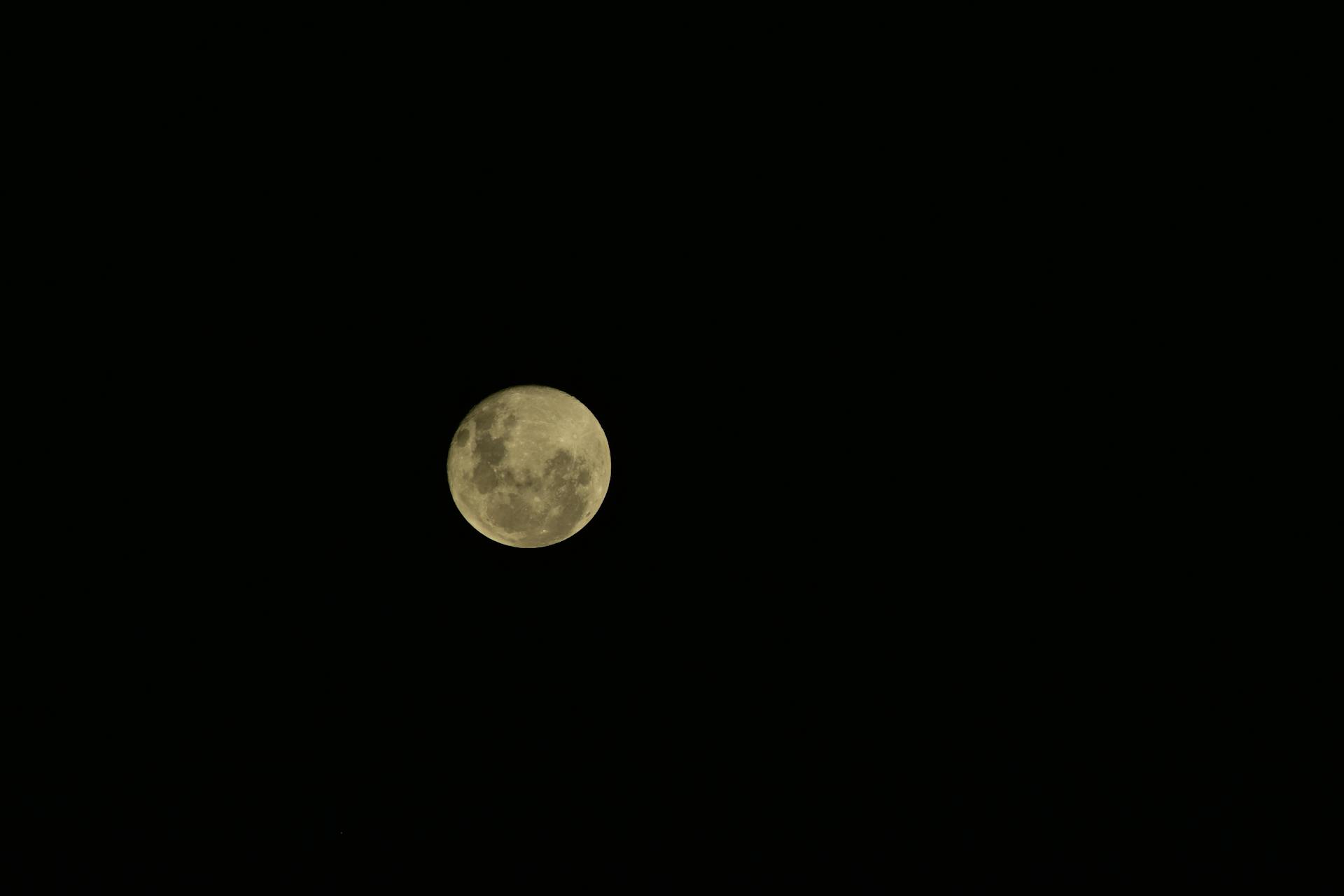
A large bright full moon rising over a dark horizon, representing supermoon, blue moon, and blood moon meanings
What's the difference between a supermoon, blue moon, and blood moon?
The names get mixed up all the time, but they describe three completely separate things. A supermoon is defined by distance, a blue moon by the calendar, and a blood moon by an eclipse. Any full moon can be one, two, or even all three of these at once, which is part of why the terms blur together.
Here's the quick breakdown:
None of these are official astronomy terms in the strict sense, but they've become the everyday language for the moon's most striking appearances. Spiritually, each one is treated as a heightened version of the regular full moon, a night when the lunar energy people already work with feels turned all the way up. If you want the foundation first, our guide to full moon rituals and meanings covers the basics that these special moons build on.
What is a supermoon and what does it mean spiritually?
A supermoon happens when a full moon occurs near perigee, the moon's closest approach to Earth. The moon's orbit isn't a tidy circle, so its distance from us shifts through the month. When the full phase lands close to that nearest point, the moon can look up to about 14 percent larger and 30 percent brighter than a full moon at its farthest point. The term was coined by the astrologer Richard Nolle back in 1979, and it caught on far beyond astrology circles.
To the eye, the change is subtle, especially when the moon is high overhead. The effect is most dramatic near the horizon, where the moon already looks huge to us and a supermoon exaggerates that even more. You don't need a telescope, just a clear sky and a low viewing angle.
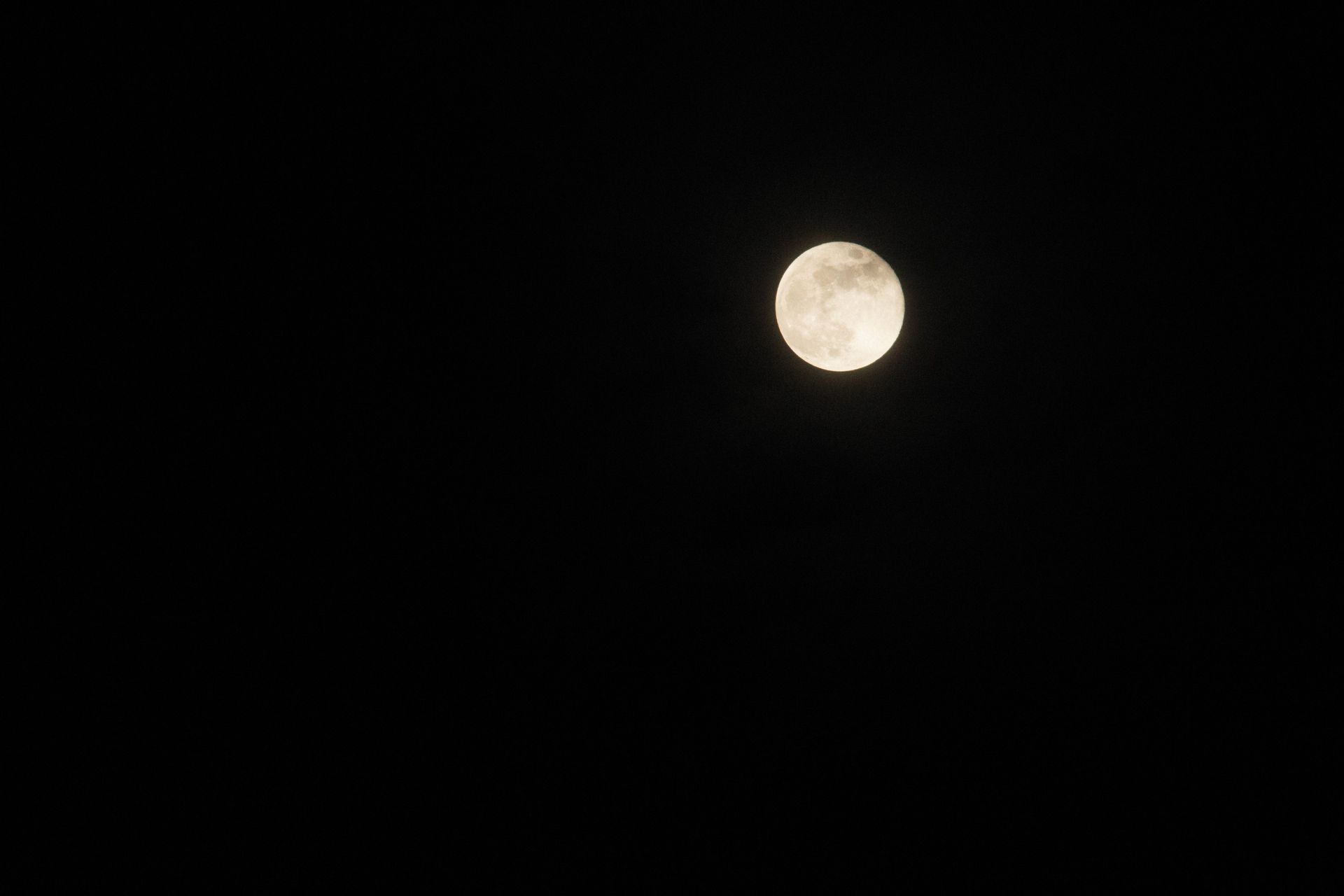
A glowing full moon reflected on still water at night, symbolizing supermoon energy and amplified emotions
Spiritually, a supermoon is read as a full moon with the volume turned up. The full moon already marks a peak, a time of culmination, release, and heightened feeling, and a supermoon is said to amplify all of it. Emotions can run stronger, intuition feels sharper, and whatever you've been building toward tends to come to a head. Many people use a supermoon as a power night for releasing what no longer fits and celebrating what's ripened since the new moon. Because the pull feels bigger, it's also a night when rest and grounding matter, since that same intensity can tip into restlessness. Charging crystals or making moon water under a supermoon is a common way to capture that stronger light.
What is a blue moon and what does it mean?
A blue moon is an extra full moon, the one that doesn't fit the usual pattern. There are two accepted definitions. The monthly blue moon is the second full moon to appear in a single calendar month, which happens because the lunar cycle runs about 29.5 days, a hair shorter than most months. The seasonal blue moon, the older meaning, is the third full moon in an astronomical season that happens to contain four. Either way, a blue moon shows up only about once every two to three years, which is exactly where the phrase "once in a blue moon" comes from.
Despite the name, a blue moon isn't blue. The moon can rarely take on a bluish tint after major volcanic eruptions or large wildfires fill the air with fine particles, but that's a separate optical trick and it has nothing to do with the calendar version. A blue moon looks like any other full moon in the sky.
Because it's rare and off-schedule, a blue moon carries a sense of the unusual and the once-in-a-while. It's often treated as a moment for goals that are bigger than a single lunar cycle, the long-shot wishes and rare opportunities you don't get to work with every month. Some people save their most ambitious intentions for a blue moon precisely because it feels like a bonus. If you like to line up your practice with the calendar, our guide to full moon names by month shows how the traditional monthly moons fit around these rarer events.
What is a blood moon and what does it mean spiritually?
A blood moon is the nickname for a total lunar eclipse. It can only happen at a full moon, and only when the sun, Earth, and moon line up so that Earth sits directly between the other two. The full moon then passes into Earth's shadow. Instead of going dark, the moon turns a striking red or copper color, which is where the dramatic name comes from.
The red glow has a beautiful explanation. During totality, the only sunlight reaching the moon has been bent through Earth's atmosphere. Our air scatters the shorter blue wavelengths and lets the longer red ones pass, so the light that finally lands on the moon is reddish. It's the same physics that paints sunrises and sunsets in warm tones, wrapped all the way around the planet and cast onto the moon.
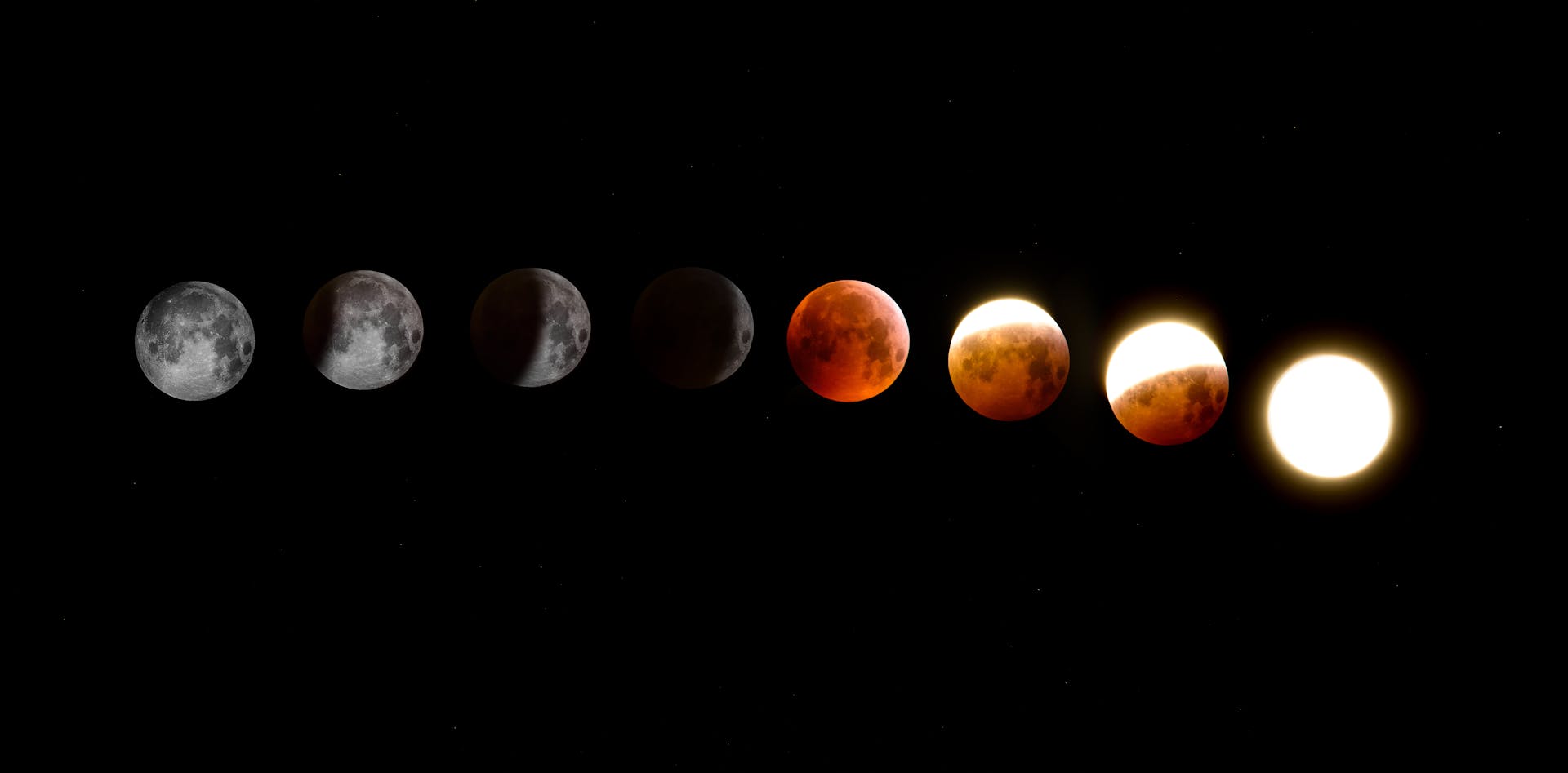
A dim reddish moon during a lunar eclipse against a dark sky, representing blood moon and eclipse energy
Spiritually, a blood moon is the most intense of the three, because it's an eclipse. Eclipses are treated as accelerated turning points, times when hidden things surface and change arrives faster than expected. A blood moon is often read as a sudden release, an ending that clears space, or a truth that finally comes to light. The traditional advice is to avoid launching brand new plans on the night itself and to let the eclipse reveal what it's going to reveal, then act once the dust settles. Because it belongs to a bigger pattern, a blood moon rarely stands alone. Our eclipse season astrology guide explains how these moments cluster and why the weeks around them can feel so charged.
What is a black moon?
A black moon is the shadow twin of the blue moon, and it applies to the new moon instead of the full moon. Most often it means the second new moon in a single calendar month, though it can also point to the third new moon in a season that has four. In rare years it's used for a calendar month with no full moon at all, which can only happen in February.
Since a new moon is already dark and invisible in the sky, a black moon is something you feel rather than see. It's treated as an especially potent night for fresh starts, planting intentions, and setting things in motion, the same energy as a regular new moon but rarer and, to many practitioners, stronger. If new beginnings are your focus, our new moon manifestation guide walks through how to work with that dark-moon energy step by step.
One quick note to clear up a common mix-up. The black moon lunar event is not the same as Black Moon Lilith, which is a calculated point in your birth chart rather than anything in the night sky. If that's what brought you here, our Black Moon Lilith guide covers the astrology placement in full.
What is a micromoon and a harvest moon?
A micromoon is the opposite of a supermoon. It's a full moon that lands near apogee, the farthest point in the moon's orbit, so it looks slightly smaller and dimmer than average. The difference between a supermoon and a micromoon is what those famous size comparisons are actually measuring. Energetically, a micromoon is read as a softer, quieter full moon, well suited to gentle reflection rather than big dramatic releases.
A harvest moon is the full moon closest to the autumn equinox, which usually falls in September and occasionally early October in the Northern Hemisphere. Its claim to fame is timing: for a few nights running, it rises soon after sunset, which historically gave farmers extra light to bring in the crops. Some years the harvest moon is also a supermoon, stacking two labels on the same night. As a seasonal marker, it carries themes of gratitude, gathering what you've grown, and preparing for the darker months ahead. You can line any of these up with your own emotional rhythm using our guide to setting intentions with moon phases.
Are special moons bad luck?
No, none of these moons are bad luck. A supermoon, blue moon, or blood moon is a natural, predictable event that astronomers can map out years in advance. The fear that surrounds them is cultural, not cosmic. A blood moon in particular has picked up ominous associations over the centuries, largely because a sky suddenly turning red used to be alarming before anyone understood eclipses.
In astrology and moon-based practice, these nights are seen as intense rather than dangerous. Intensity isn't the same as misfortune. A supermoon might make your feelings louder, a blue moon might spotlight a rare chance, and a blood moon might speed up a change that was already coming, but none of that is a curse. The healthiest way to hold it is simple: expect the energy to feel bigger, give yourself room to rest, and don't make rushed decisions on a night when everything feels heightened.
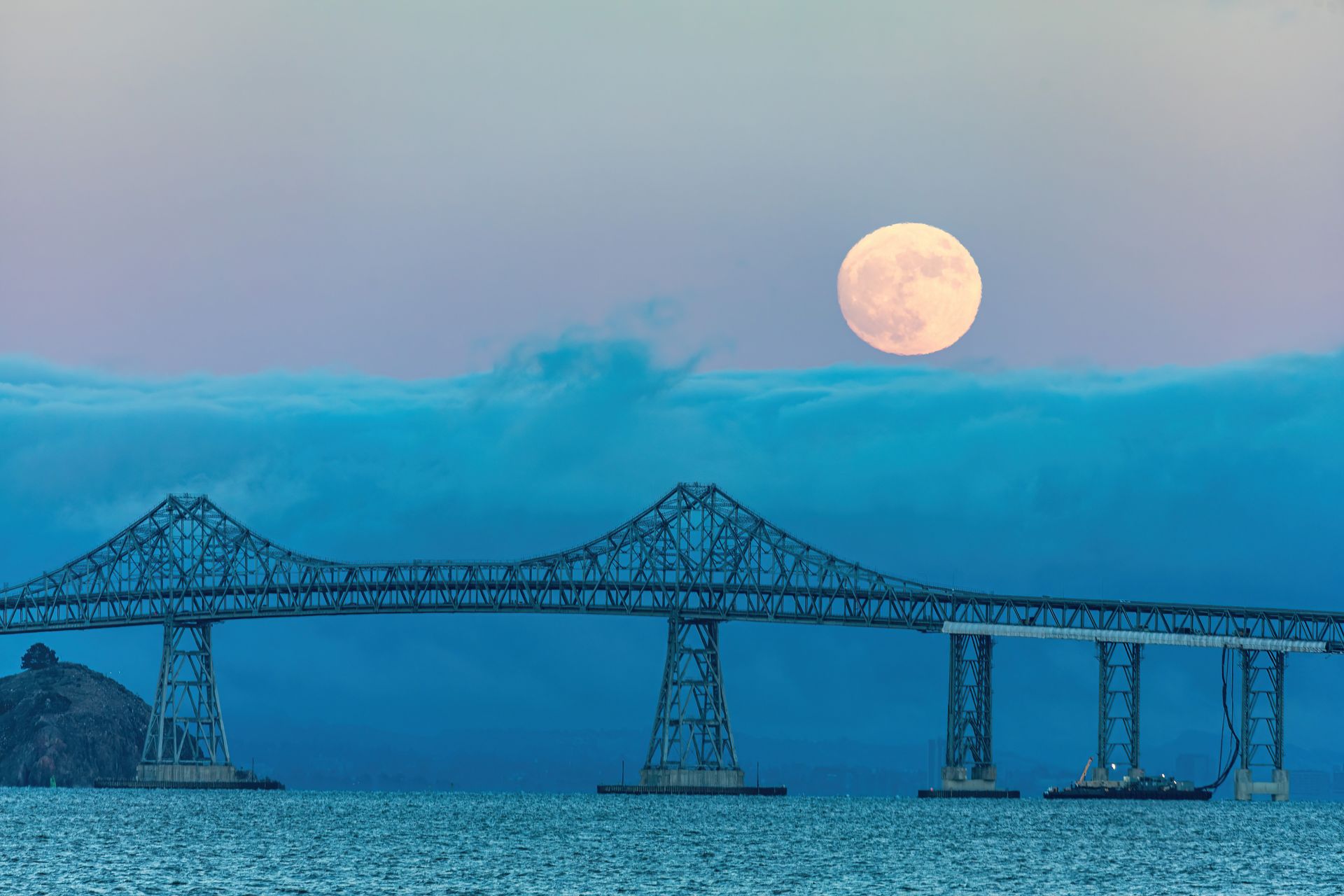
A calm moonlit ocean under a night sky, representing grounding and working with lunar energy
How to work with a supermoon, blue moon, or blood moon
You don't need anything elaborate to work with a special moon. The point is to match your intention to the kind of night it is. Each one asks for something slightly different.
A moon ritual doesn't have to be complicated to work. Consistency matters more than props. Pull a card to see what the night is asking of you with a free tarot reading, or check your emotional patterns through your moon sign to understand why certain moons hit you harder than others.
Frequently asked questions
Is a supermoon rare?
Not especially. There are usually three or four supermoons in a year, often running back to back, since the full moon lands near perigee for several months in a row. What's rarer is a supermoon that also coincides with an eclipse or a blue moon, which stacks the labels on a single night.
What is a blue moon in simple terms?
A blue moon is an extra full moon that breaks the normal one-per-month pattern. Usually it's the second full moon in a single calendar month. It happens only about once every two to three years, which is why "once in a blue moon" means something rare.
Why does the moon turn red during a blood moon?
During a total lunar eclipse the moon sits in Earth's shadow, so the only sunlight reaching it has bent through our atmosphere. The air scatters blue light and lets red light through, so the moon glows a rusty red. It's the same effect that makes sunsets look warm.
What should you not do during a blood moon?
Traditional lunar practice suggests holding off on launching brand new projects or making impulsive, high-stakes decisions during a blood moon. Eclipse energy can feel rushed and revealing. Reflecting, releasing, and waiting until the days around it pass is the more common approach.
How often does a blood moon happen?
Total lunar eclipses, the blood moons, occur somewhere on Earth roughly once or twice a year on average, though not every location can see each one. Whether you catch it depends on where you are and whether the sky is clear when totality happens over your part of the world.
Bringing it all together
A supermoon is about closeness, a blue moon is about timing, and a blood moon is about eclipses, and every one of them is really just the familiar full moon showing off. Match your intention to the night, keep yourself grounded, and these rare moons become genuine markers in your practice rather than dates you scroll past. Ready to go deeper? Pull your free natal chart to find your moon sign, or explore how the lunar cycle shapes your bonds with a compatibility reading.