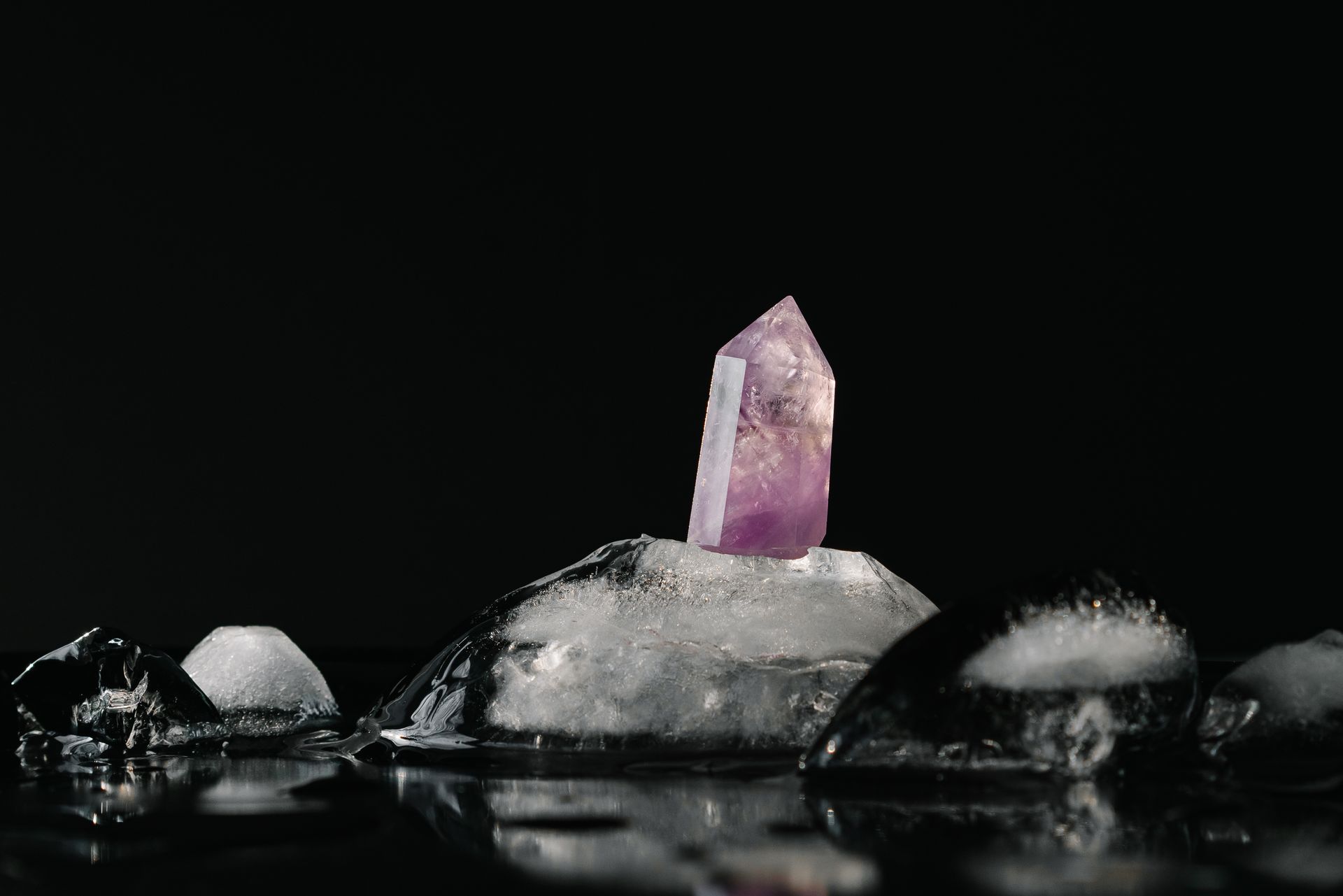
Amethyst Meaning: Healing Properties, Uses, and How to Cleanse It
Amethyst is a purple variety of quartz prized as a calming, protective, and intuition-boosting stone. If you've picked up an amethyst cluster and wondered what it actually does, the short version is that people have used it for centuries to quiet a busy mind, support restful sleep, and sharpen spiritual insight. That soft violet color has made it one of the most recognized healing crystals in the world, and it's the birthstone for February.
This guide breaks down what amethyst means, its traditional healing properties, how it connects to your chakras and zodiac sign, and the simple ways to cleanse, charge, and use it so it keeps feeling fresh.
What You'll Learn
What Does Amethyst Mean?
Amethyst is the purple form of quartz, and its meaning is tied to peace, protection, and clarity of mind. The name comes from the Ancient Greek word amethystos, which translates roughly to "not intoxicated." Greeks and Romans linked the stone to sobriety and a clear head, and some even carved drinking cups from it in the belief that it kept them from getting drunk. That old association still shapes how people read amethyst today: it's the stone you reach for when you want to think straight and stay grounded.
Geologically, amethyst is silicon dioxide, the same base material as clear quartz, colored violet by traces of iron and natural radiation in the earth. It ranks 7 on the Mohs hardness scale, so it's durable enough for daily jewelry. You'll find it mined in Brazil, Uruguay, Zambia, and Madagascar, often growing as glittering geodes and points inside volcanic rock.
Because it's affordable, widely available, and genuinely beautiful, amethyst is usually one of the first stones people add to a collection. If you're just getting started, our beginner's guide to healing crystals walks through how to choose and work with your first few stones.
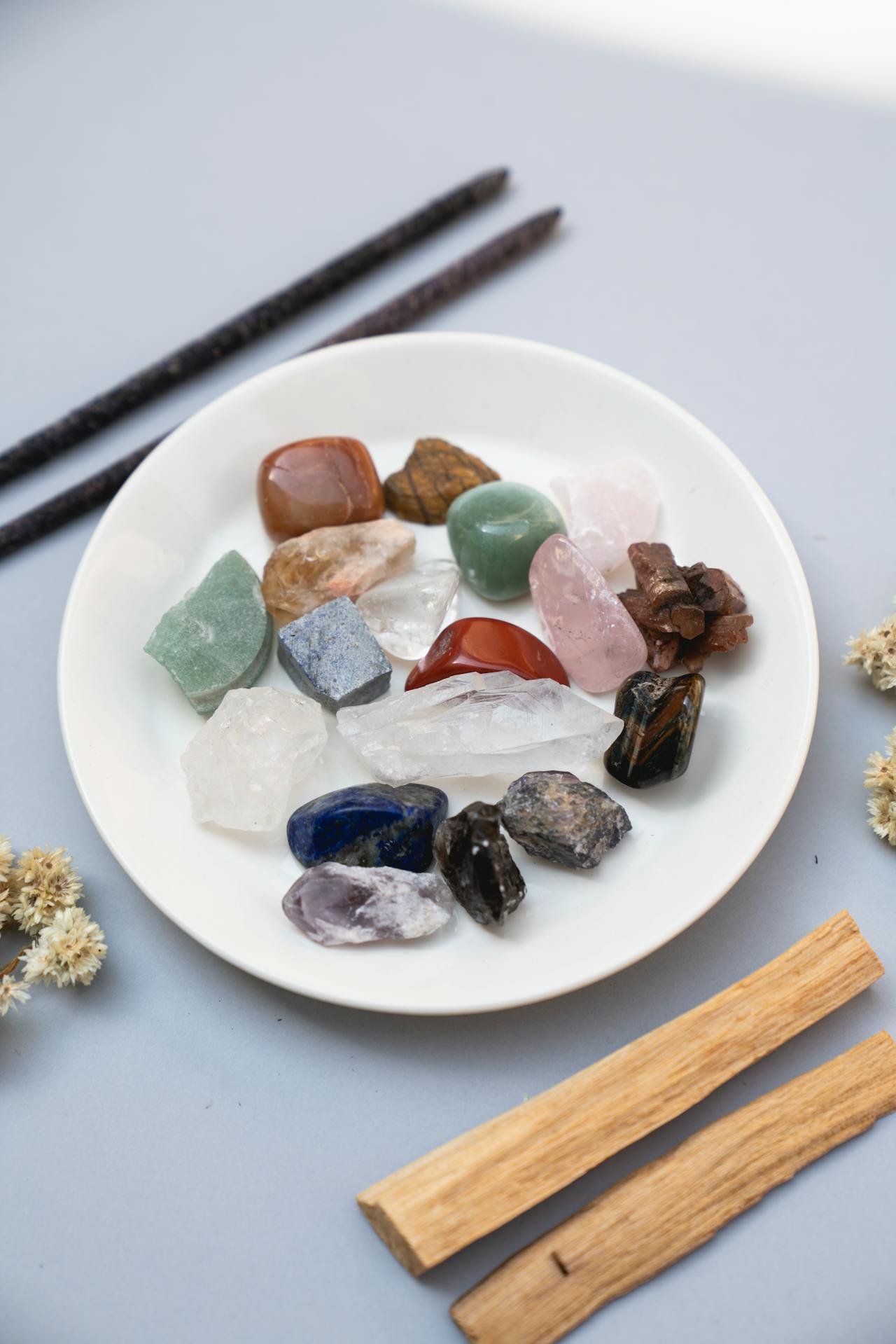
A collection of polished and raw crystals arranged for meditation, including purple amethyst
Amethyst Healing Properties and Benefits
Amethyst is best known as a calming stone. In crystal healing traditions, it's used to settle an overactive mind, ease tension, and take the edge off worry, which is why so many people keep a piece on their nightstand. None of that replaces medical care, but the ritual of holding a cool, weighty stone and taking a slow breath is a real way to signal your body to relax.
Here are the benefits people most often turn to amethyst for:
Think of these as intentions you set with the stone rather than guarantees. The crystal gives you a physical anchor, and your attention does the rest.
What Does Amethyst Do Spiritually?
Spiritually, amethyst is considered a bridge between the everyday mind and higher awareness. It's the stone most associated with intuition, dream work, and deepening a meditation practice. Sensitives often keep it close during energy work because it's believed to raise your vibration while keeping you calm rather than scattered.
Amethyst has a long link to psychic development. People place it on the nightstand to encourage vivid, meaningful dreams, or hold it during meditation to reach a quieter, more receptive state. If you're building an intuitive practice, it pairs naturally with the techniques in our guide to opening your third eye.
It's also a popular protection stone for spiritual work. Many readers keep amethyst near their tarot deck or altar to hold a clear, grounded space. The idea is that it helps you stay open to guidance without absorbing every stray feeling in the room.

A person meditating with a crystal to develop intuition and inner focus
Amethyst and the Chakras
Amethyst resonates most strongly with the third eye and crown chakras, the two energy centers tied to intuition, insight, and spiritual connection.
The third eye chakra, located at the center of your forehead, governs perception, imagination, and inner knowing. The crown chakra, at the top of the head, is your link to higher consciousness and a sense of meaning beyond the day to day. Amethyst's violet color is a natural match for both, which is why it shows up so often in crown and third eye healing.
To work with it, lie down and rest a tumbled amethyst on your forehead or just above the crown of your head during meditation. Breathe slowly and picture soft violet light clearing and opening those centers. Even a few minutes can leave you feeling more centered. For the full map of your energy body, see our seven chakras guide for beginners.

Crystals arranged for a chakra healing and energy practice
Amethyst, the Zodiac, and Birthstones
Amethyst is the traditional birthstone for February, which ties it most closely to Aquarius and Pisces, the two signs that share that month. Aquarius leans on amethyst for mental clarity and vision, while sensitive Pisces uses it for protection and grounding intuitive gifts.
That said, amethyst is a genuinely universal stone. Its calming, clarifying energy suits almost any chart, and different traditions also connect it to Sagittarius, Virgo, and Capricorn. There's no wrong sign for it, so trust what you're drawn to.
If you want stones matched to your specific placements rather than just your sun sign, our guide to crystal healing by zodiac sign breaks it down, and our birthstones and their astrological connections article maps each month to its gem.
How to Use Amethyst at Home and in Practice
You don't need a ritual to benefit from amethyst. A lot of its value comes from simply having it where you'll see and touch it. Here are the most common ways to put it to work:
You can also add amethyst to a crystal grid or altar. Many people combine it with clear quartz to amplify its effect or with rose quartz to blend calm with heart-centered energy. If you like working with lunar cycles, try charging your intentions alongside it during a full moon ritual.
An altar with crystals and moon water set out under the moon
How to Cleanse and Charge Amethyst
Amethyst absorbs and holds energy, so cleansing it regularly keeps it feeling clear and responsive. Cleanse it when you first bring it home, after heavy emotional use, or any time it starts to feel dull or heavy. Here are five reliable methods:
1. Moonlight: Set your amethyst on a windowsill overnight during a full moon. This is the gentlest option and works for every stone. Our moon water guide covers the same lunar approach in more detail.
2. Smoke: Pass the stone through the smoke of sage, palo santo, or incense while setting the intention to clear it.
3. Sound: Ring a bell or play a singing bowl near the crystal and let the vibration wash through it.
4. Selenite or clear quartz: Rest your amethyst on a selenite plate or beside a quartz cluster, both of which are believed to cleanse other stones.
5. A quick water rinse: Hold it under cool running water for a few seconds, then dry it. Amethyst is hard and water safe for brief rinses, but skip long soaks, salt water, and hot water, which can loosen delicate clusters over time.
To charge it back up, return to moonlight or simply hold the stone, breathe, and set a clear intention for what you want it to support. One important caution: don't charge amethyst in prolonged direct sunlight. Extended UV exposure can slowly fade its purple color. The same cleansing rhythm works for your other tools too, including the steps in our guide to cleansing and charging crystals and decks.
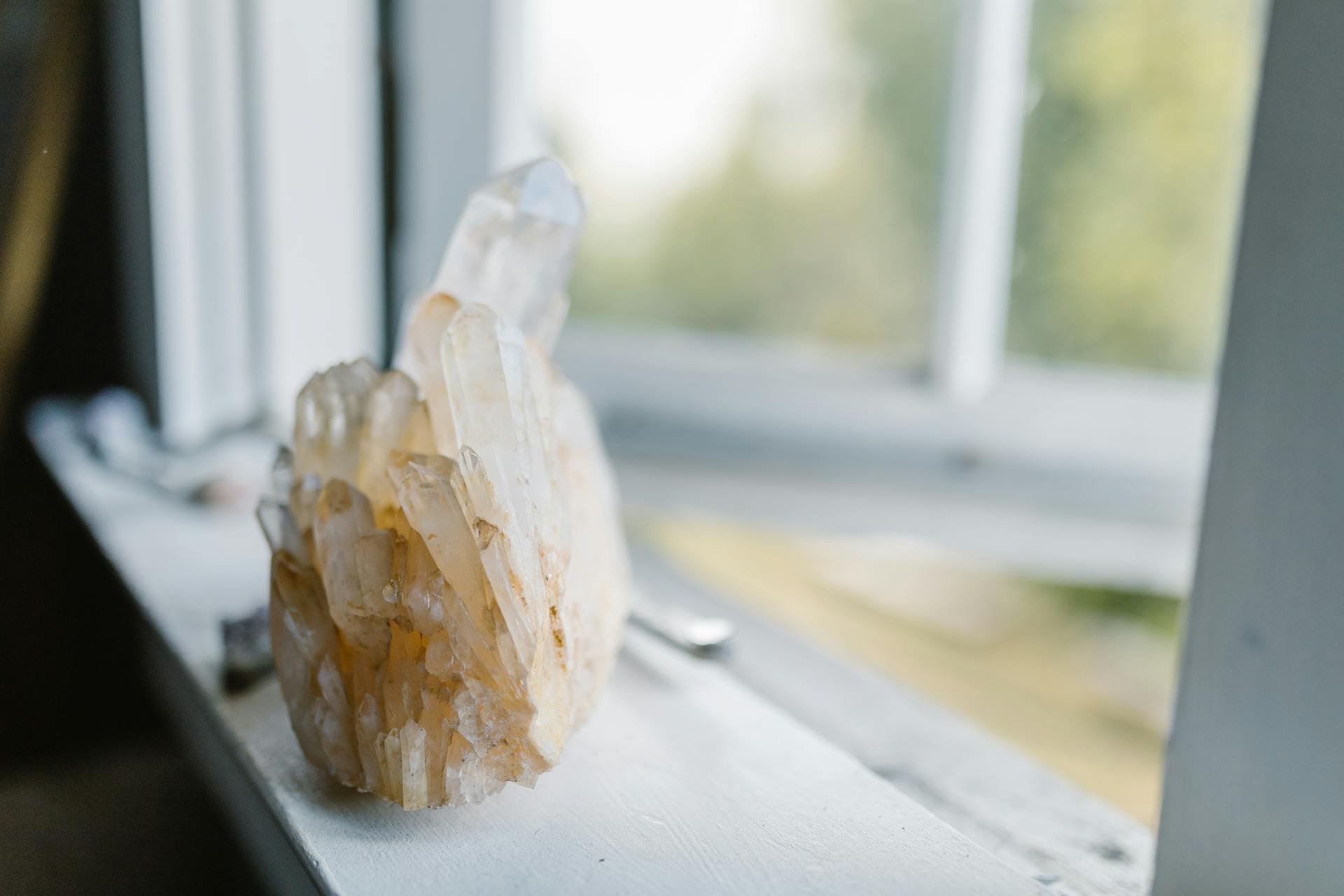
Crystals being cleansed and cleared on a soft cloth
How to Tell If Your Amethyst Is Real
Amethyst is common and inexpensive, so outright fakes are less of a problem than with rare stones, but dyed glass and lab imitations do show up. A few checks help you spot the real thing:
When in doubt, buy from a seller who can tell you where the stone came from. Trusting your own sense of the piece matters too, and building that instinct is part of developing your intuition, something our guide to aura colors and their meanings touches on as well.
Frequently Asked Questions
Can amethyst go in water?
Yes, for short rinses. Amethyst is hard and not water soluble, so a quick pass under cool running water is fine for cleansing. Avoid long soaks, salt water, and hot water, especially with raw clusters, since prolonged exposure can loosen crystals over time.
What zodiac sign is amethyst for?
Amethyst is the February birthstone, so it's linked most closely to Aquarius and Pisces. Its calming, clarifying energy suits any sign, though, and some traditions also connect it to Sagittarius, Virgo, and Capricorn.
Where should I put amethyst in my home?
Popular spots are the nightstand for calmer sleep, a desk or study area for focus, a meditation corner, and the entryway as a soothing anchor. Keep it somewhere you'll see and touch it so its presence becomes a small daily reset.
Is amethyst good for sleep and anxiety?
It's traditionally used to quiet a racing mind and encourage rest, which is why it's such a common bedroom stone. It isn't a medical treatment, but pairing it with a calming bedtime routine can make it a helpful ritual.
What chakra is amethyst?
Amethyst is associated with the third eye and crown chakras, the centers tied to intuition, insight, and spiritual connection. Its violet color makes it a natural fit for opening and balancing both.
Bringing It Together
Amethyst earns its popularity honestly. It's beautiful, easy to find, and carries a clear, steadying meaning built around calm, clarity, and intuition. Keep it clean, place it where you'll actually use it, and let it be a small anchor for a quieter mind. To go deeper into the intuitive side it supports, generate your free natal chart to see the placements that shape your inner world, pull a tarot reading when you want guidance on a specific question, or run a compatibility report to explore the connections that matter most to you.